

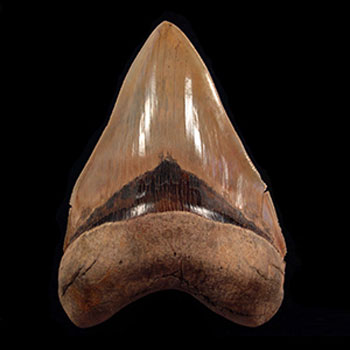
For decades, fossil hunters and paleontologists have been captivated by the enduring mystery of the Megalodon, the biggest shark ever to roam the oceans. Its fossilized teeth, often several inches long, remain some of the most sought-after artifacts in the fossil market. While much of the research has historically centered on finds from Panama, the southeastern United States, and parts of Europe, recent discoveries in West Java, Indonesia, have added a fresh chapter to this ongoing story. These findings are not only of scientific importance—they also have a substantial impact on the commercial marketplace, influencing what collectors and investors worldwide are willing to pay.
It is still astonishing how a single new location can reshape the conversation. West Java, with its unique geological layers and marine sedimentary deposits, has proven itself to be a treasure trove of fossilized shark teeth. As word of these discoveries spread, questions quickly emerged regarding how such finds would impact global markets. Collectors and enthusiasts began paying closer attention, carefully weighing the authenticity, rarity, and condition of these specimens in relation to established benchmarks for determining the price of Megalodon teeth.
Why West Java matters
The significance of West Java’s role in the fossil trade cannot be overstated. Unlike some more traditional Megalodon-bearing sites where fossil deposits have been heavily mined or depleted, the Indonesian region represents relatively untapped ground. The preservation conditions—rich in minerals and relatively undisturbed—are producing specimens that stand out in both size and color variations.
For collectors, this has sparked excitement: Indonesian Megalodon teeth often exhibit darker hues, unusual serration patterns, and mineral compositions that are distinct from those of their American or European counterparts. Such features drive interest among those who see fossils not just as scientific artifacts but as unique works of natural art.
For the global fossil market, however, this influx introduces new dynamics. Prices fluctuate based on rarity, demand, and geographic origin. A fresh source of specimens often recalibrates the market, creating both possibilities and challenges for buyers and sellers alike.
Collectors, investors, and shifting values
When discussing the price of Megalodon teeth on a global scale, it is rarely a static figure. Instead, it moves like a tide, influenced by supply and demand, as well as regional discoveries. Historically, teeth from Florida or South Carolina held an established baseline value. Larger, pristine specimens could fetch thousands of dollars, while smaller or more worn teeth might be available for a fraction of that cost.
West Java’s discoveries are shifting that baseline. While some might assume that an increased supply could lower prices, the opposite can also be true. Teeth with rare characteristics—be it unusual coloration, near-perfect serrations, or impressive size—command a premium. Collectors want variety, and when a new region delivers a type of specimen never seen before, demand surges rather than wanes.
Moreover, provenance is everything. A tooth labeled as originating from a new, scientifically significant site, such as West Java, carries a narrative beyond its physical dimensions. Collectors are not only buying a fossil; they are buying into a story of discovery, geography, and history.
Scientific validation and authenticity
One of the most critical aspects shaping fossil prices is authenticity. As the global demand grows, so too does the potential for replicas or misidentified specimens to enter the marketplace. West Java fossils must be carefully studied and validated by paleontologists to ensure proper classification and accurate representation.
These layers of scientific scrutiny benefit both the academic community and collectors alike. Authentic fossils that pass rigorous examination hold far greater long-term value. As new research from Indonesian sites is published, it lends credibility and prestige to the teeth sourced from there, further influencing how the market interprets fair pricing.
The role of collectors worldwide
What does this mean for someone browsing catalogs or online fossil shops, wondering if now is the right time to make a purchase? The impact of West Java discoveries illustrates the global nature of the fossil trade. Buyers from Asia, Europe, and the United States now compete for the identical specimens, often bidding prices higher than expected.
For new collectors, this environment can seem overwhelming, but it also offers exciting opportunities. Smaller teeth remain accessible to those just starting their journey, while high-end investors seek out record-setting specimens. Both ends of the spectrum are shaped by the same underlying principle: rarity combined with narrative drives value.
Where passion meets preservation
At Buried Treasure Fossils, we take pride in connecting people with these extraordinary pieces of natural history. From accessible starter fossils to museum-quality specimens, our collection is created to inspire both seasoned collectors and newcomers alike. Each fossil is more than just a relic—it is a direct link to Earth’s ancient past, a reminder that we walk in the footsteps of giants that once ruled the seas.
Our team carefully curates specimens from around the globe, including those influenced by new regions such as West Java. We recognize the importance of both accessibility and authenticity, ensuring that when you explore our catalog, you do so with confidence.
Looking ahead: the future of the Megalodon tooth market
What lies ahead for the fossil trade as more discoveries in West Java come to light? We can expect a period of adjustment. Enthusiasts will continue to seek out the rarest and most beautiful specimens, and auction houses may see record-breaking bids for Indonesian teeth. Meanwhile, smaller fossils will remain entry points for curious buyers, allowing a broader audience to experience the thrill of holding a part of prehistoric history.
Ultimately, the global Megalodon price market is not merely about dollars and cents—it reflects humanity’s enduring fascination with deep time and the natural wonders preserved within it. West Java has opened a new chapter, one that enriches both our scientific understanding and our collective passion for collecting.
Conclusion
The discoveries in West Java are reshaping our understanding of Megalodon fossils. From their scientific importance to their unique mineral compositions, they have a significant influence on both academic study and the global collector market. As more fossils enter circulation, the Megalodon tooth price market will continue to evolve, balancing rarity, provenance, and demand. For collectors, this is a time of extraordinary opportunity—one where every purchase carries both history and value.
If you’re ready to explore this remarkable world of fossils, we invite you to browse our catalog and discover pieces that resonate with your passion. Contact us today to begin your journey into the past.






