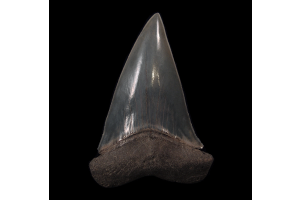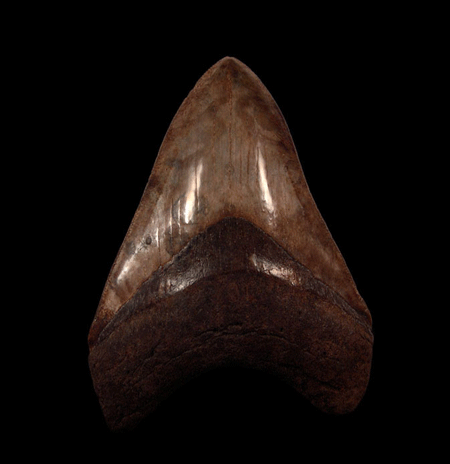
The thrill of holding a fossilized shark tooth in your hand is unlike anything else—a tangible connection to oceans that teemed with life millions of years ago. Among the most legendary finds are those attributed to the mighty Carcharocles megalodon, the apex predator of the Miocene seas. Yet, with soaring demand in fossil collecting, many enthusiasts are left wondering how to tell if a megalodon tooth is real. This question is not only about authenticity; it also leads us into fascinating lessons from the Miocene marine ecosystems that shaped these incredible fossils.
Why Megalodon Teeth Captivate Collectors
Megalodon teeth stand out not only for their sheer size—sometimes exceeding seven inches—but also for the stories they hold about prehistoric seas. Between 23 and 3.6 million years ago, during the Miocene and Pliocene periods, these giants patrolled warm oceans. Their teeth are prized by fossil hunters, academic researchers, and collectors because they embody evolutionary history, predatory dominance, and the survival of evidence through deep time. Understanding authenticity is crucial, as replicas and artificially aged fakes circulate widely in the fossil market.
Key Indicators of Authenticity
1. Surface Texture and Patina
When evaluating the authenticity of a megalodon tooth, begin by examining its texture closely. Authentic specimens possess a unique character, marked by subtle irregularities such as fine micro-pits, the presence of mineral deposits, and natural wear that reflects the vast passage of time over millions of years of fossilization. These features tell a story of ancient ocean depths and the forces of nature. In stark contrast, replicas tend to exhibit an artificial sheen, often appearing overly polished and smooth, devoid of the distinctive weathering patterns that speak to the geological history and the powerful forces that shaped the original tooth over eons.
2. Density and Weight
The fascinating mineralization process in fossils intricately transforms organic material into stone, creating a remarkable end product. Authentic Megalodon teeth are distinctively denser and heavier compared to their resin or plaster imitations, offering a tangible connection to the ancient past. This weighty sensation, felt upon handling the tooth, often serves as the very first tactile clue pointing toward its authenticity. Each tooth tells a story, enveloping its observer in the rich history of these prehistoric giants.
3. Serrations and Cutting Edge
Collectors are encouraged to conduct a thorough examination of the blade when assessing Megalodon teeth. Authentic specimens typically showcase distinct serrated edges—remarkable evolutionary adaptations that equipped these ancient sharks to efficiently slice through thick layers of bone and blubber. Even if these serrations show signs of wear from ages past, they remain crucial indicators of authenticity. In contrast, counterfeit teeth often overlook this intricate detail altogether or, conversely, exaggerate the serrations to an unrealistic degree, ultimately diminishing their credibility.
4. Roots and Biological Detail
The root of the tooth reveals an intriguing tale of its origin. Carefully examine the natural nutrient foramina—these minute openings serve as windows into the past, once allowing vital blood vessels to traverse through them. Notice the intricate lobed structures that adorn the surface; these features are unmistakable indicators of a biological fossil, standing in stark contrast to the smooth contours of artificial replicas. Each detail whispers the story of life that once was, inviting you to delve deeper into its history.
5. Fossilization Clues
The myriad of color variations, the intriguing adhesion of sediments, and the intricate processes of mineral replacement all contribute fascinating context to the remarkable journey of a fossil over millions of years. Genuine Megalodon teeth may exhibit distinct calcite patches, rich iron staining, or even traces of the original matrix that hint at the ancient environment where these teeth were entombed. Such details not only enhance the beauty of the fossils but also provide essential insights that resonate with our understanding of the dynamic sedimentary landscapes of the Miocene epoch.
Lessons from Miocene Marine Ecosystems
Authenticity checks are deeply enriched by studying the ecosystems where Megalodon thrived. During the Miocene, marine ecosystems teemed with whales, seals, and other marine mammals that formed the core of Megalodon’s diet. The fossil record reveals the predator-prey dynamics of this time, confirming the ecological niches that explain why these sharks developed such massive teeth.
Sediment layers from Miocene deposits—whether in the Carolinas, Morocco, or Peru—help paleontologists place teeth in context. By comparing fossil evidence with known geological formations, researchers can authenticate whether a tooth truly aligns with recognized fossil beds. For advanced collectors, situating a tooth within these broader ecosystems is as important as the specimen itself.
The Role of Professional Dealers
Another practical lesson in how to tell if megalodon tooth is real is recognizing the value of trusted sources. Not every collector has the tools to test mineral density or analyze matrix remnants, which makes expert guidance indispensable. We at Buried Treasure Fossils guarantee that every specimen is genuine, often with precise locality data, ensuring that your collection is not only beautiful but scientifically valuable. Whether you’re an advanced academic researcher or a passionate private collector, authenticity is at the heart of what we provide.
Why Authentic Fossils Matter
Owning a genuine Megalodon tooth is more than just a status symbol; it’s a thrilling connection to our planet’s evolutionary journey! These incredible fossils act as time capsules, capturing the rich diversity of life that once flourished in ancient oceans. For researchers, each tooth is a vital piece of history, shedding light on the complex interactions within past ecosystems and helping us piece together intricate food webs and climate conditions from ages ago. For collectors, these teeth represent a unique bond with the magnificent creatures that ruled the seas long before us. Authenticity is essential in both scientific exploration and personal collections, enhancing the educational and scientific value of these amazing fossils. It’s a journey into the past that sparks curiosity and wonder!
Bringing Prehistory Into Your Collection
As passionate collectors and avid fossil enthusiasts, we have a wonderful opportunity to honor and protect our planet’s prehistoric treasures! By learning to recognize the subtle signs of authenticity—like the unique textures that tell tales of ancient environments, the intricate serrations that highlight species evolution, and the weight that reflects mineralization—we can confidently safeguard ourselves against counterfeits. This knowledge not only enriches our personal collections but also supports a fossil trade grounded in scientific integrity and respect for our natural history. Together, let’s embrace our roles as dedicated researchers and guardians of these remarkable artifacts, ensuring they are cherished for generations to come!
Conclusion
Determining how to tell if a megalodon tooth is real is as much about science as it is about passion. Lessons drawn from Miocene marine ecosystems provide invaluable context, reminding us that every authentic fossil is a story millions of years in the making. When you obtain a Megalodon tooth from our collection, you’re not merely adding an item to your display—you’re safeguarding a remarkable piece of natural history that once swam the ancient oceans. Delve into our vast and carefully curated catalog, where you’ll discover an impressive array of shark teeth, dinosaur fossils, and other extraordinary specimens. Each piece is selected for its authenticity, allowing your collection to flourish with genuine artifacts that tell the fascinating stories of our planet's prehistoric past.