

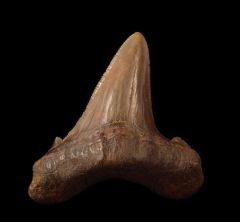
Buying a Megalodon tooth is a thrill because you’re holding a real piece of prehistoric history. But here’s the thing: not every tooth you see online is in the exact same shape it was found. Fossils often crack underground, get chipped during digging, or break while being cleaned. That’s why some teeth are natural (only cleaned) and others are restored (repaired to look more complete). Neither option is automatically “good” or “bad”—what matters is knowing the difference, so you can shop with confidence and choose what fits your budget and collection goals. If you’re browsing for a Peru Megalodon tooth, you’ll especially want to pay attention. Peru teeth can be harder to find, and because they’re desirable, repaired examples do show up in the market.
Understanding “Natural” Vs. “Restored”
A natural tooth is a real fossil that’s been cleaned but not rebuilt. It may still have tiny chips, worn serrations, or small cracks—because that’s how it survived for millions of years. A restored tooth is also a real fossil, but parts of it have been repaired. This could mean a broken tip was glued back on, missing spots were filled, or the surface was lightly blended so repairs don’t stand out. Restoration isn’t always a dealbreaker. Many collectors are perfectly happy with a small, honest repair—especially if it improves display quality. The problem starts when restoration is heavy, hidden, or not clearly mentioned. So your goal is simple: learn the clues, then buy from a seller that is transparent and provides clear photos and descriptions.
Simple Signs A Tooth May Be Restored
Start by looking for a “seam,” which is a faint line where two pieces meet. A seam often shows up near the tip or along the root, and it can look like a straight or slightly curved boundary that doesn’t match the natural texture around it. Next, watch for color changes that feel abrupt. Natural fossil color usually fades and blends. Restored sections sometimes look like a patch—either slightly darker, lighter, or more evenly colored than the rest.
Texture is another big clue. Fossils typically have tiny pores, grain, or natural roughness. A repaired area may look smoother or flatter, almost like it has been “painted on.” Shine can also give restoration away. If one part looks glossy while the rest looks matte, there may be a sealant or filler in that section.
How To Buy With Confidence Online
Photos matter, but seller transparency matters even more. When you’re shopping for a Peru Megalodon tooth, look for listings that show close-ups of the tip, both edges, the front and back of the crown, and the root. A reputable fossil shop will usually describe the tooth clearly and disclose repairs when they exist. If the listing feels vague, ask directly whether the tooth has repairs, filler, or reattached sections. A trustworthy seller won’t dodge that question—they’ll answer plainly and often provide extra photos. Also, be realistic about “perfect” teeth. A huge Megalodon tooth that looks flawless is rare. If something looks too perfect for its age, treat it as a clue to inspect more carefully.
Conclusion
A Megalodon tooth should be exciting, not stressful. Once you know where restorations usually happen and what they look like—seams, sudden color changes, smooth patches, odd shine, overly perfect serrations—you can make a smart choice in minutes. Most importantly, aim to buy from a seller who shows detailed photos and explains the condition honestly, so you know what you’re getting before you checkout. Whether you want a museum-style display piece or a more “as-found” collector specimen, the best purchase is the one that matches your expectations. And with these checks, you’ll be ready to choose a Peru Megalodon tooth that you’ll feel proud to own for years.






