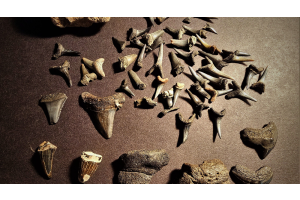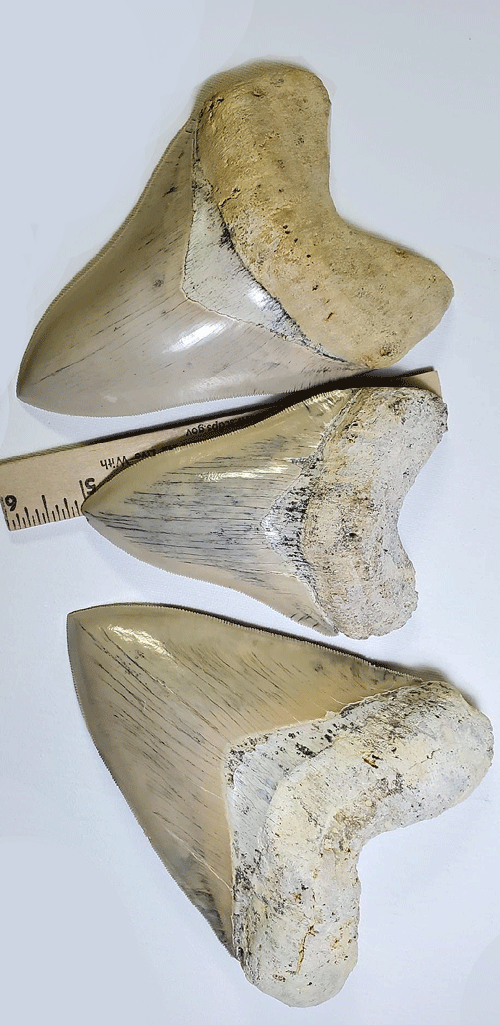
Megalodon tooth fossils continue to fascinate collectors, marine enthusiasts, and paleontology fans. Known for their size, triangular form, and prehistoric value, they remain highly desirable. But with increased demand comes a rise in replicas, restorations, and altered specimens. We’ve observed how challenging it can be for buyers to distinguish genuine fossils from imitations, especially when purchasing online or at fossil markets. If you're uncertain about how to verify authenticity, learning the key identifiers is essential. This guide will help you confidently assess a megalodon tooth fossil and make informed decisions when building or expanding your collection.
Why It’s Important to Spot the Real Thing
Identifying a genuine megalodon tooth fossil goes beyond simply avoiding a fake. It’s about understanding the history, science, and craftsmanship involved in preserving a piece of natural history. Authentic teeth not only hold financial value but also offer clues about the prehistoric oceans and the sharks that once ruled them. For collectors and science lovers alike, owning a real tooth means holding a direct link to Earth’s ancient marine past.
Examine the Enamel Quality
One of the most reliable indicators of authenticity is the enamel. A real megalodon tooth fossil will typically have hard, glossy enamel on the visible Blade. This enamel may be dark, grey, tan, or brown depending on the minerals it absorbed over millions of years in sediment. Fake or cast teeth often have an overly smooth, plastic-like feel or an unnatural shine. Be wary of pieces with a dull surface or inconsistent texture that seems too uniform — that’s often a red flag for reproduction.
Check the Serrations on the Blade
The serrated edge along the tooth's Blade is another telling feature. Genuine megalodon teeth usually retain partial to full serrations that run along both sides of the Blade. These serrations are fine and well-defined, though some may be worn due to age and fossilization. Inauthentic teeth may either lack serrations entirely or feature ones that are overly sharp and symmetrical, which may indicate machine work or a synthetic mold.
Look Closely at the Root Structure
Roots on a genuine megalodon tooth fossil are porous and can appear rough or even crumbly in heavily weathered specimens. They often contrast in color with the enamel. In contrast, fake teeth or restored roots are often overly smooth or show signs of filler materials like resin or plaster. Pay attention to unnatural transitions between the enamel and root, which may indicate repairs or composites made to enhance appearance.
Watch for Signs of Restoration or Repair
Some fossils on the market are real but have undergone partial restoration, especially where parts of the root or tip were broken and rebuilt using bonding agents. While such pieces may still hold value, it’s important to distinguish a fully natural specimen from one that has been altered. Look for signs such as faint tool marks, texture changes, visible seams, or color inconsistencies—these often indicate repair or enhancement meant to improve visual appeal. Knowing how to inspect these areas closely helps you avoid paying premium prices for modified teeth.
Consider the Weight and Density
Fossilized megalodon teeth are heavier than they look. Over time, the organic material of the tooth is replaced by minerals, which gives the fossil its weight and density. If a tooth feels unnaturally light or hollow, that may indicate it's a replica or a partially filled cast. A true megalodon tooth fossil will feel solid in the hand and carry a natural weight consistent with fossilization.
Look at the Tooth’s Tip
A real megalodon tooth often has a pointed tip, though it may show signs of wear, especially if it’s an older or ocean-found specimen. That said, avoid pieces with unnaturally sharp or rounded tips that don’t match the wear on the rest of the tooth. These inconsistencies often indicate reshaping or artificial enhancements meant to improve appearance for resale.
Ask About Provenance and Source
Knowing where a fossil came from adds credibility to its authenticity. Reputable fossil sellers are transparent about the origin of their teeth—whether from land-based sites like South Carolina or river finds from Florida. They’ll often disclose the region and, in some cases, the formation or specific layer it came from. If a seller doesn’t provide this information or seems vague about the source, it’s wise to proceed with caution.
Understand Color Variations and Why They Occur
Color alone isn’t a reliable way to judge authenticity, but understanding why megalodon tooth fossils come in a range of colors can help build your confidence. Fossils absorb minerals from the surrounding soil and sediment over millions of years, resulting in natural variations in hue. That’s why genuine teeth can be brown, black, blue-grey, or even orange. However, if the color looks overly consistent or artificial, that could suggest dyeing or enhancement.
Know What Common Fakes Look Like
There are a few types of known replicas that commonly circulate:
● Resin casts: These are molded and painted copies made from real fossils.
● Composite teeth: Made by combining parts from multiple broken teeth or adding artificial roots.
● Polished fakes: Teeth that are overly smoothed and glossed to appear more “attractive” for buyers.
Each of these examples typically lacks the natural irregularities and mineral texture found in authentic specimens. Familiarity with these types helps build your eye for spotting red flags.
Buy from a Trusted Source
No matter how much research you do, buying from a seller who specializes in fossils and has a reputation for transparency makes a significant difference. Many experienced dealers provide high-resolution images, condition notes, and background on the specimen. They’ll also clearly state if any restoration has occurred.
Even better, established fossil sellers often provide a guarantee of authenticity, which helps protect buyers from misrepresentation.
Conclusion
Learning how to identify a genuine megalodon tooth fossil takes a mix of observation, knowledge, and practical tips. From examining enamel quality and Blade serrations to checking for repairs and verifying provenance, each detail offers a clue to authenticity. Whether you’re collecting for science, display, or investment, taking the time to inspect each specimen helps you build a collection rooted in trust and fascination.
We understand how much thought goes into choosing the right fossil, and that’s why we always prioritize authenticity and clarity. For expertly sourced megalodon tooth fossils, you can explore trusted collections at Buried Treasure Fossils.
Start your fossil journey with confidence by choosing authentic megalodon tooth fossils backed by expert care and sourcing.