

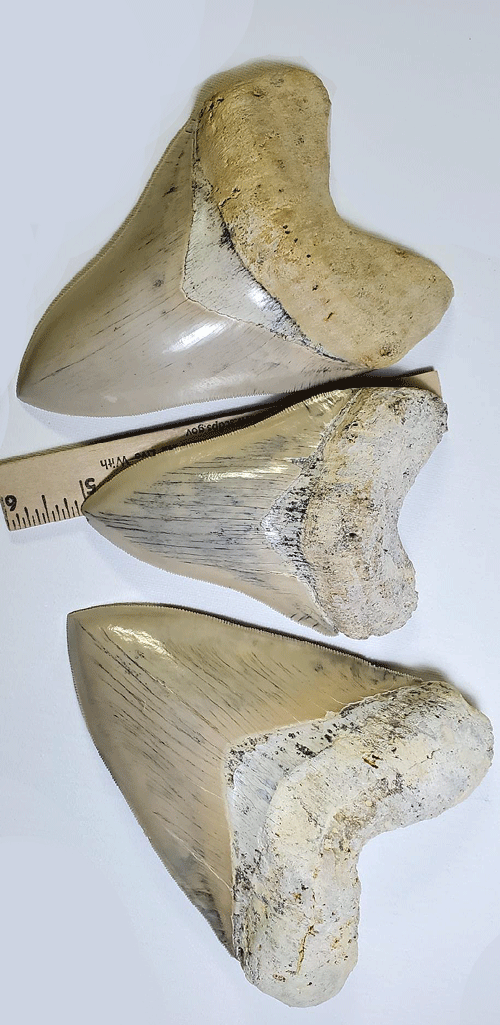
Imagine possessing a tooth from a creature that dominated the oceans over three million years ago—a remnant of a predator that reached lengths of up to 60 feet. Megalodon teeth serve not only as fossils but also as tangible connections to one of nature’s most incredible animals. For collectors, enthusiasts, or first-time buyers, acquiring a megalodon tooth is an exhilarating experience. However, with excitement comes danger. As the fascination with these fossils increases, so too does the prevalence of counterfeit items in the market.
At first glance, a fake may seem convincing, but subtle cues can separate a genuine fossil from a well-made replica. That’s why we created this guide—to help you buy megalodon tooth fossils with absolute confidence, using our years of hands-on fossil expertise and direct sourcing experience.
Let’s talk specifics. If you’re searching for a big megalodon tooth, know that size alone isn’t everything. You also need to pay attention to weight, serrations, and the integrity of the enamel. And if you plan to buy megalodon tooth pieces online or at a fossil fair, understanding what to look for could save you from making a costly mistake.
Look Closely at Serrations and Shape
A real megalodon tooth isn’t perfect—and that’s a good thing. Authentic teeth have tiny, naturally worn serrations along the edges. These saw-like ridges once enabled the megalodon to tear through its prey with ease. If they appear razor-sharp and too symmetrical, pause before making a purchase. Real teeth bear signs of the harsh underwater life they endured—slight chips, uneven lines, and subtle asymmetry are all good signs of authenticity.
Observe Color and Natural Mineralization
Fossilization is a complex method that occurs over millions of years. The minerals in the sediment seep into the tooth, changing its color. That’s why genuine megalodon teeth can be black, gray, brown, or even a rare blue. The key is that the coloration should appear natural—deep, blended, and slightly marbled. Fakes, on the other hand, often appear spray-painted or too uniform in hue.
Never trust teeth with paint-like finishes or overly polished appearances. Actual fossils carry the fingerprint of time in every shade, blemish, and color blend. A good tip: turn the tooth in your hand under the light. Watch how the hues change across the surface. If the color looks layered into the tooth, that’s a strong indicator of authenticity.
Feel the Weight of the Past
A fossilized megalodon tooth should feel surprisingly heavy for its size. This weight comes from the minerals absorbed during fossilization. When you hold a real tooth, you’re holding ancient stone, not plastic or resin. The density should be palpable. If it feels light, almost like a toy, it probably is.
We often tell our collectors, ‘Trust your instincts.’ Real fossils carry a certain presence. When you hold one, you feel its story. That weight is more than just physical—it’s the weight of history.
Inspect the Enamel’s Texture and Gloss
The enamel is the outermost coating of the tooth, and with fossils, it becomes a beautiful, complex surface. A real tooth’s enamel is typically glossy but not glass-like. You’ll notice tiny imperfections, minor erosion, and mineral deposits. This variation in texture is impossible to fake perfectly.
If the enamel looks too smooth or feels like plastic, it’s likely not authentic. Fake enamel often lacks depth, missing the interplay of glossy and matte textures that comes from natural wear and mineral absorption.
Always Ask for Proof of Origin
A trustworthy seller will always share details about where the tooth was found. Provenance matters—it’s part of the fossil’s story. Details such as the dig site, location, and collection year provide peace of mind and enhance the specimen’s value.
At Buried Treasure Fossils, we have been connecting collectors with authentic specimens since 2000. We work directly with reputable fossil hunters and dealers worldwide. Every tooth we offer comes with its own story—because authenticity should never be a mystery.
Think of It as a Long-Term Investment
Buying a megalodon tooth isn’t just a transaction; it’s a step into deep history. These fossils are rare, and their value tends to appreciate over time, especially when they’re large, well-preserved, and come with proper documentation.
This is why it’s essential to avoid impulse purchases or deals that seem too good to be true. Take your time, research the seller, and never hesitate to ask for close-up photos, videos, or fossil certifications.
Spot the Difference Between Real and Replica
To summarize the key checks:
● Serrations: Look for natural wear and imperfections.
● Color: Seek deep, mineralized tones—not surface paint jobs.
● Weight: A real fossil is heavier than it looks.
● Enamel: Slightly glossy, with natural textures and erosion.
● Origin: Reputable sellers provide provenance and collection details.
All these factors play a role in ensuring your megalodon tooth isn’t just a convincing copy. And if you’re after a true collector’s item like a big megalodon tooth, you’ll want to double down on these checks before sealing the deal.
Conclusion: Make Your Next Fossil a Genuine Discovery
Buying a megalodon tooth should be an exciting, rewarding experience—not a guessing game. By staying aware of the signs of authenticity and purchasing from respected sources, you can feel confident in your investment. Whether you’re chasing a display-worthy specimen or beginning your fossil journey, we encourage you to make informed choices and never settle for less.
If you plan to buy megalodon tooth fossils that are guaranteed authentic, we invite you to explore our carefully curated collection and reach out with any questions. We’re here to help you connect with real treasures from the ancient deep.
Want help finding the perfect megalodon fossil? Contact us and let us guide you to your subsequent great discovery.






