

For millions of years, sharks have dominated the seas with strength, power, and unmatched adaptability. Among the most fascinating relics of this history are shark teeth—time capsules that preserve stories of survival and evolution. Collectors and enthusiasts often marvel at the striking differences between teeth from extinct species and those of sharks still roaming our oceans today. After all, each tooth is not just a fossil; it’s a direct link to how these predators lived, hunted, and thrived.
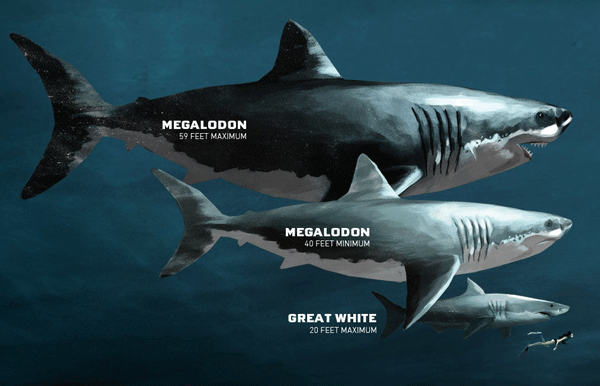
When we dive deeper into shark history, the contrast between the largest shark ever recorded and one of today’s most iconic predators becomes clear. The megalodon, an apex predator from millions of years ago, is often compared with the great white shark, which remains the most famous shark species of the present day. To truly appreciate this comparison, we need to examine closely the one detail that reveals the most about them: their teeth. That’s where the shape difference comes alive in the megalodon vs great white tooth discussion.
Size speaks louder than words
The most noticeable difference between these two predators is their size or scale. Megalodon teeth can grow over seven inches long—so massive they can fill the palm of your hand. They aren’t just fossils; they’re symbols of an ocean ruled by giants capable of hunting whales and other massive sea creatures. Great white shark teeth, by comparison, average around two to three inches in length. Though smaller, they are precision tools built for modern hunting techniques, proving that size alone doesn’t determine dominance in the seas.
Shape reveals survival strategies
Looking beyond size, the shape of the teeth reveals an even more compelling story. Megalodon teeth are thick, wide, and triangular with serrated edges—perfect for crushing bones and tearing through the tough flesh of large prey. This robust design reflects the shark’s need to feed on enormous marine mammals. In contrast, the sleek triangular design of the great white tooth is built for speed and efficiency. Its sharp, pointed edges slice through fish and seals with surgical precision. This difference illustrates how evolution has adapted each shark’s teeth to suit the specific prey it targets.
Ancient power versus modern adaptability
Holding a megalodon tooth is like having a piece of history from 23 million years ago. These fossils remind us of an era when colossal sharks shaped the ocean’s food chain. The great white’s teeth, however, speak of adaptability in today’s ecosystems. While smaller, they represent survival and evolution, showcasing a species that continues to dominate its niche. The megalodon vs great white tooth comparison reminds us that both species thrived in their own environments due to the unique shapes of their teeth.
More than science: a collector’s treasure
Collectors know that each tooth is more than just evidence of evolution—it’s art shaped by nature. Megalodon teeth, with their massive form and dramatic serrations, make for show-stopping pieces that command attention in any collection. Great white teeth, although smaller, embody sharp elegance, making them perfect for enthusiasts who admire efficiency and design. The beauty of these fossils lies not only in their shapes but also in their history, linking us to worlds both past and present.
The age factor: millions of years in your hand
The allure of shark teeth also comes from their age. Megalodon fossils can be up to 23 million years old, meaning they belonged to a predator that swam the oceans long before humans ever existed. Great white shark teeth, though younger, may still be thousands of years old, reminding us that even “modern” sharks have been around for longer than human civilization. This staggering timescale adds immense value to both types of teeth, making them prized fossils for collectors and museums alike.
Why we collect and preserve these stories
At Buried Treasure Fossils, we understand that every tooth has a unique story to tell. Whether you’re fascinated by the sheer size and power of megalodon teeth or intrigued by the sleek design of great white shark teeth, each specimen holds significance. These fossils connect us to the mysteries of prehistoric oceans while also reminding us of the living legacy that swims our seas today. As collectors and enthusiasts, we don’t just display these fossils—we preserve history in its purest form.
The ultimate question: which should you choose?
When deciding between a megalodon tooth and a great white tooth, personal preference plays a pivotal role. If you find yourself captivated by the immense size and legendary dominance of prehistoric creatures, a megalodon tooth will undoubtedly capture your imagination. Its massive, serrated edges evoke the raw power of a beast that ruled the oceans millions of years ago. On the other hand, if you have a deep admiration for precision, resilience, and the remarkable adaptability of modern sharks, the great white tooth is likely to resonate more with you. This tooth represents a lineage that has thrived through the ages, showcasing the evolution of survival skills in a complex ecosystem.
Many collectors appreciate the unique story each tooth tells and opt to acquire both, recognizing that together they illustrate the vast spectrum of shark evolution—from the awe-inspiring power of ancient giants to the sleek adaptability of their modern counterparts. This dual collection not only celebrates the diverse characteristics of these magnificent creatures but also offers a fascinating glimpse into the histories they represent.
Conclusion: shape defines the legacy
When we compare these fossils, we see that shape does far more than define appearance—it defines survival. The wide, crushing design of the megalodon tooth tells of an apex predator that once ruled the oceans. The narrow, slicing design of the great white tooth reveals a shark that continues to thrive. The megalodon vs great white tooth comparison is not about declaring a winner but about appreciating the distinct paths evolution has taken.
Each tooth in your collection is a story, a fossilized reminder of life’s adaptability. Explore these treasures, admire their beauty, and let them connect you with millions of years of natural history. If you’re ready to begin or expand your collection, contact us today—we’d be thrilled to help you uncover your own piece of ocean history.






