

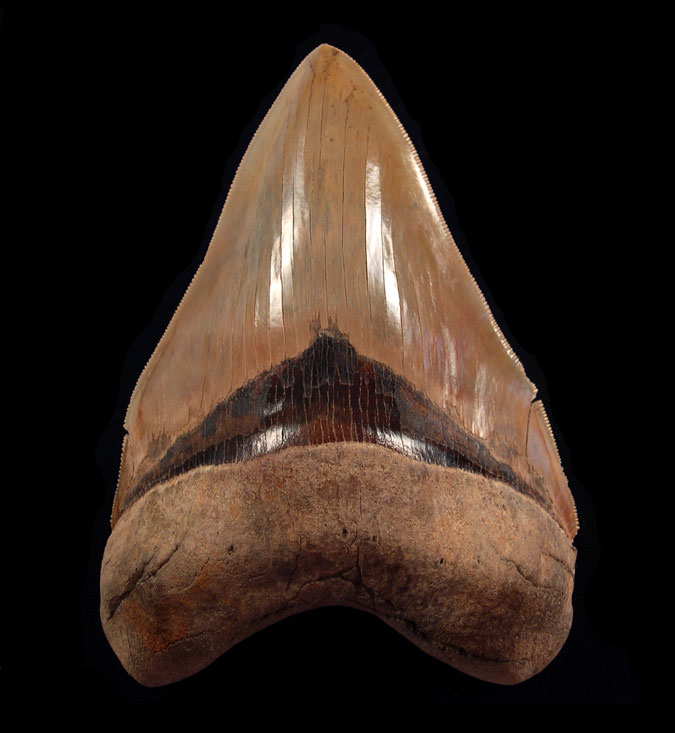
Shark fossils have always fascinated collectors, but there's something undeniably magnetic about one particular relic—the megalodon tooth. This ancient marvel stirs the imagination with every jagged edge, hinting at a predator so immense it makes modern sharks look dainty. And when that tooth is especially large? It becomes more than a fossil—it becomes a window into prehistoric oceans and a prized addition to any collection.
One might wonder what exactly qualifies as a big megalodon tooth. It’s not merely size—it’s the blend of history, condition, and scarcity that makes these fossils such an enduring treasure. These teeth don’t only serve as conversation pieces; they spark questions, theories, and admiration.
Let’s explore the significance, value, and excitement surrounding these fossilized wonders.
Why Megalodon Teeth Captivate Fossil Lovers
The megalodon shark ruled the oceans millions of years ago, growing to lengths of over 50 feet. It was the largest predatory shark ever known. Fossilized teeth are among the few physical remains we have, and they tell fascinating stories.
Each tooth holds subtle clues: serration wear, enamel sheen, and root development. The rarer the features, the more desirable the tooth becomes. Color variations, size symmetry, and completeness also add to the appeal. For enthusiasts and collectors, these details mean everything.
What really sets some teeth apart, though, is scale. The difference between a standard-sized tooth and a 6-inch one is monumental. That’s when curiosity shifts to admiration—and price.
What Counts as a Big Megalodon Tooth?
Most megalodon teeth range between 3 and 5 inches in length. When a specimen surpasses the 6-inch mark, it crosses into the rarest tier. These large teeth are typically found in riverbeds, coastlines, or sediment layers, and locating one intact is an impressive feat.
A big megalodon tooth is not only rare but also highly sought after due to its sheer size and display value. Collectors often look for teeth that are naturally colored, with minimal restoration, no missing root sections, and crisp serrations. These qualities, combined with size, dramatically increase both the visual appeal and value.
How Much Is a Megalodon Tooth Worth?
When it comes to evaluating fossil value, size isn’t everything—but it certainly sets the stage. So, how much is a megalodon tooth worth?
Teeth under 4 inches may sell for under $100, depending on condition. As the size increases, so does the rarity and price. A tooth nearing 6 inches might command several hundred to a few thousand dollars. In comparison, a well-preserved specimen over 6 inches can be priced well into five figures.
Of course, pricing also depends on surface quality, serration, root condition, and even the location it was discovered. A 6-inch tooth in pristine condition, with no repairs or erosion, is rare and often fetches a premium price among collectors.
The Thrill of the Hunt
For many fossil hunters, the excitement isn’t only about the fossil itself—it’s about the process. Digging through silt, examining rivers, and sifting through layers of ancient seabed brings a sense of adventure.
Finding a tooth is like discovering a lost piece of Earth's timeline. That thrill doesn’t fade, even for seasoned fossil enthusiasts. And if someone’s lucky enough to discover a large tooth, especially one above 6 inches, it becomes the highlight of their collection—and possibly their career.
Tips for First-Time Fossil Buyers
Thinking of starting a collection or gifting a fossil? Here are a few things to keep in mind:
● Condition Matters: Look for whole teeth with minimal chips or repairs.
● Verify Authenticity: Ask sellers about restoration, excavation location, and origin.
● Choose Reputable Sources: There are many replicas on the market. Buying from a trusted site ensures what you’re getting is the real deal.
● Display and Store Properly: Keep the tooth in a stable environment to avoid damage. Display cases with low humidity and limited direct sunlight are ideal.
Even a beginner can appreciate the visual and historical weight of a megalodon tooth. It’s an accessible way to connect with Earth’s prehistoric history.
What Makes a Tooth Worth Collecting?
Beyond sheer size and value, a good fossil evokes emotion. A megalodon tooth does that effortlessly—it surprises, impresses, and inspires. Whether placed on a shelf or studied in detail, its existence is a conversation starter.
Teeth with perfect enamel sheen, sharply defined serrations, and symmetrical roots stand out. Subtle colors such as smoky gray or earthen orange offer character and personality. Some even prefer weathered, aged specimens with minor chips—they tell a story of ocean currents, sediment pressure, and time.
Why Do Collectors Pay So Much?
Unlike modern shark teeth, fossilized megalodon teeth are finite. Once excavated, there’s no replacing them. The largest, best-conditioned specimens are even rarer, and collectors know that. These fossils bridge science and art.
In some ways, buying a large tooth is like buying a piece of Earth's autobiography. It connects you to ancient waters and the creatures that ruled them long before humans walked the land. That connection can be worth every penny to the right person.
Final Thoughts on Owning a Fossil from the Deep
There’s something both humbling and awe-inspiring about holding a fossil in your hand—especially one that belonged to the largest predator in the ocean’s history. Whether you’re a seasoned collector or a curious enthusiast, a big megalodon tooth carries weight beyond its size.
You’re not simply purchasing a tooth. You’re investing in a natural relic that holds millions of years of mystery. And with every serration and curve, you’re reminded of the ocean’s depth, its stories, and its long-lost creatures.
Ready to Find One for Yourself?
If you're searching for something truly rare and meaningful, a megalodon tooth is a worthy addition to your collection. Explore a wide range of hand-selected fossils and discover what makes each piece unique. Whether you're gifting a fossil or growing your collection, there's something unforgettable waiting to be uncovered.






