

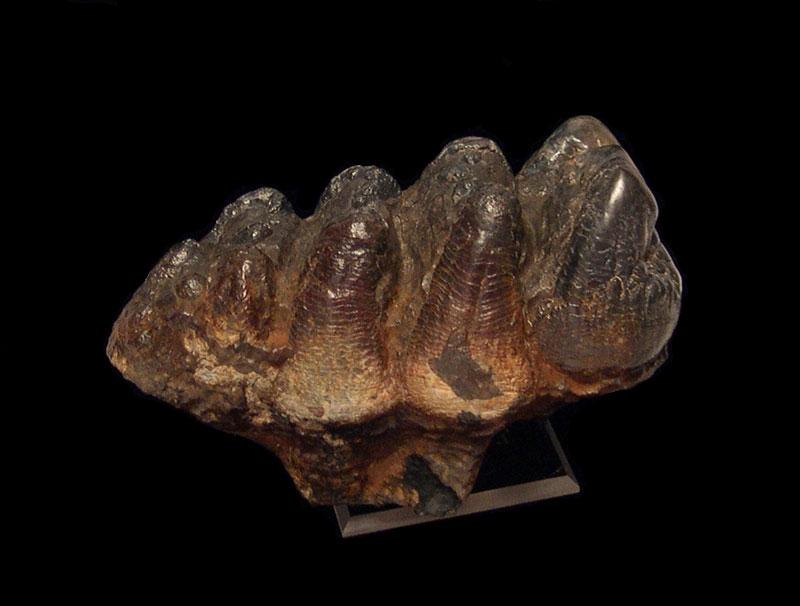
Have you ever wondered what it would be like to hold a piece of the Ice Age in your hands? Imagine discovering a massive tooth or jawbone that once belonged to a giant bear that lived more than 25,000 years ago. That is the magic of cave bear fossils. These ancient remains continue to spark curiosity among scientists, collectors, and nature lovers worldwide.
So how rare are they? And why do they matter so much to science? Let’s explore the world of cave bears and the fossils they left behind.
Who Were the Cave Bears?
Cave bears, scientifically known as Ursus spelaeus, inhabited Europe during the Ice Age. These massive creatures were bigger than most modern bears. Some males weighed over 1,000 pounds and stood more than 10 feet tall when on their hind legs.
They got their name because they often lived and died inside caves. These shelters protected their bones from weather and animals, which helped some remains survive for thousands of years. Thanks to this natural protection, we now have the opportunity to study genuine aspects of their ancient lives.
What Makes Cave Bear Fossils So Special?
Not all fossils are the same. Some are just broken pieces of bone. Others, like a full jaw or skull, are scarce. The most complete cave bear fossils help scientists learn about how these bears lived, what they ate, and how they moved.
Even a single tooth can tell a story. The shape and wear on the tooth show if the bear was young or old, what kind of food it ate, and even if it had health problems. This is one reason why paleontologists get so excited when they find well-preserved cave bear remains.
Where Are Cave Bear Fossils Found?
Many of the best cave bear fossils have been found in caves across Europe. Places like the Carpathian Mountains in Romania, the Alps in Austria, and the caves of southern Germany are known for fossil discoveries.
Caves are effective at preserving bones. Over time, layers of dirt and ice cover the remains, protecting them from destruction. Still, finding a complete fossil is not easy. Most fossils are found in pieces, and it takes time and skill to recover and prepare them.
What Do These Fossils Teach Us?
Cave bears are extinct, but their fossils provide valuable insights into life in the past. Scientists have used them to learn how Ice Age animals adapted to cold climates. They have also studied the bears’ bones to understand how animals respond to changes in food supply or shelter.
Some fossils even help explain how humans lived during the same time. In some caves, bones from cave bears and early humans were found together. This suggests they may have shared the same shelters or competed for space.
By studying cave bear fossils, researchers can also gain insight into how animals become extinct and what this means for animals today.
Are Cave Bear Fossils for Sale?
Yes, but only through legal and trusted sources. You can sometimes find cave bear fossils for sale through fossil dealers or online shops that work with experts. These fossils typically originate from private land or sites where collecting is permitted.
Buyers often look for teeth, claws, and jawbones. Larger or more complete pieces are more complex to find and cost more. Whether for a private collection or classroom display, owning one of these fossils is like holding a piece of ancient history.
How to Know if a Fossil Is Real?
Not all fossils are genuine. Some are copies or altered to look older. When examining cave bear fossils, it is helpful to verify the source and details.
A real fossil will often show natural wear and signs of age. It should come with information about where it was found and whether it was repaired or restored. Trusted sellers will be honest about the fossil’s history.
Avoid any item that looks shiny, too smooth, or oddly perfect. These are signs that it might not be natural.
The Journey from Discovery to Display
When a fossil is found, the journey has just begun. Fossil hunters carefully remove the bones from the cave. They clean, stabilize, and sometimes restore them before sharing them with museums or selling them.
Some cave bear fossils for sale go to private collectors, while others are donated to science. Either way, it is important that fossils are handled with care. Each one is a valuable piece of natural history.
What Makes Them So Valuable to Collectors?
Collectors are drawn to cave bear fossils for many reasons. Some enjoy the thrill of owning something that lived long ago. Others see fossils as beautiful and powerful display pieces.
Because complete fossils are rare, they often hold more value. Still, even a single tooth or bone fragment can be meaningful. Many collectors start small and grow their collection over time, learning more about fossils and ancient life along the way.
Science in the Classroom
Fossils are not just for collectors and scientists. Teachers also use them to help students learn about animals, Earth’s history, and how life has changed.
Holding a real fossil in your hand makes the past feel real. For many students, it’s their first close encounter with science and nature. Having access to cave bear fossils can spark a love for learning and discovery that lasts a lifetime.
DNA and the Cave Bear Story
Scientists have also used fossil bones to study ancient DNA. This is the genetic code that tells us about the cave bear’s traits and how it changed over time.
DNA tests have shown that cave bears were mostly plant eaters. They also reveal that cave bears were not the same as modern brown bears, though they were closely related.
All of this information comes from studying cave bear fossils in detail. The more we learn, the more we understand how ancient animals lived and how they may have died out.
Cave Bear Fossils for Sale and the Market
In recent years, interest in prehistoric fossils has grown. Museums, collectors, and educators all look for rare items that tell a story. This is why cave bear fossils for sale can sometimes be hard to find and very expensive.
Each piece is different. Some are polished for display. Others are left rough and natural. The price often depends on size, condition, and rarity.
Buying fossils from trusted sellers helps protect the fossil trade and supports ethical fossil collecting.
Why Did the Cave Bear Go Extinct?
Cave bears went extinct about 24,000 years ago. Many scientists believe climate change played a role. As the Ice Age ended, the caves they relied on became harder to find or were used by humans. Their plant-based diet may also have made it harder to survive during colder periods.
By studying cave bear fossils, researchers hope to understand why some animals survive big changes while others don’t. These lessons are important today, as many modern animals face similar risks.
Should You Start Your Own Collection?
If you are curious and want to learn more, starting a fossil collection can be fun and educational. Look for beginner pieces, like small teeth or bone fragments. Make sure to buy from sellers who share details about where the fossil came from.
Over time, you can grow your collection and maybe even add a rare cave bear fossil to your shelf. Each piece you collect brings you closer to understanding the ancient world.
Final Thoughts: More Than Just Old Bones
Cave bear fossils are more than bones in the ground. They are links to a wild world that existed long before humans wrote history. These fossils tell us how animals lived, how they changed, and what caused them to disappear.
Whether found in a museum, classroom, or private collection, each fossil holds a story worth discovering. If you ever see cave bear fossils for sale, take a moment to think about the journey that fossil has taken. It’s not just an object. It’s a doorway to Earth’s deep past.






