

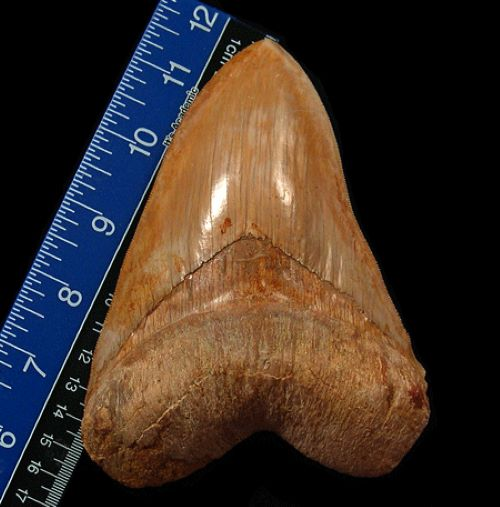
The Megalodon, the prehistoric shark that once dominated the oceans, continues to fascinate us millions of years after it went extinct. One of the main reasons for this fascination is the fossilized teeth it left behind. Every so often, a story about a “massive Megalodon tooth” makes headlines, sparking curiosity and debate. But how close to reality are these stories, and what should we really know about these incredible fossils? For collectors and enthusiasts alike, one common question always surfaces: how big can a Megalodon tooth get?
Why Size Captures Our Attention
It’s easy to see why people are captivated by reports of giant Megalodon teeth. These relics connect us directly to a predator that was once among the largest in Earth’s history. The teeth not only reveal the sheer scale of this ancient shark but also provide insight into its hunting power, growth stages, and even its place in the prehistoric food chain.
For many collectors, tooth size becomes a benchmark of rarity and value. Smaller teeth, often a couple of inches long, are fairly common. But when you get into the five, six, or even seven-inch range, things start to feel legendary. These large fossils ignite imagination and lead to stories that sometimes exaggerate just how massive a tooth can be.
So, How Big Can a Megalodon Tooth Get?
Let’s get to the heart of the matter: how big can a Megalodon tooth get? The largest scientifically verified teeth typically measure around seven inches in length. Anything above that is extremely rare and often contested. When a tooth exceeds six inches and remains intact, it becomes a true prize for fossil hunters and collectors.
To put this in perspective, modern great white sharks—considered giants in today’s oceans—usually have teeth no longer than three inches. That makes even an average-sized Megalodon tooth double the size of today’s apex predators’ teeth.
The Range of Tooth Sizes
Megalodon teeth vary widely in size, depending on where in the jaw they came from and the age of the shark. The variety adds to the appeal of collecting and studying them:
● Smaller teeth (2–3 inches): Usually from younger sharks or from the back of the jaw. They’re more affordable and often the starting point for beginner collectors.
● Medium-sized teeth (3–5 inches): Popular among collectors for their balance between availability and impressive size.
● Large teeth (5–7 inches): These are rare and valuable. A well-preserved seven-inch tooth is essentially the crown jewel of Megalodon finds.
Hearing about “eight-inch” or “ten-inch” Megalodon teeth often leads to exaggerated claims. While fossilization can sometimes distort dimensions slightly, scientific records confirm that teeth beyond seven inches are extraordinarily scarce.
Separating Fact From Myth
Stories about massive Megalodon teeth sometimes drift into myth. A photo on social media might claim to show a ten-inch tooth, but closer inspection often reveals an edited image or a mislabeled fossil from another species.
The reality is that size records are carefully documented in the fossil community. A seven-inch Megalodon tooth is already at the extreme upper limit. Anything far larger is likely either misrepresented or not from Megalodon at all.
Where These Fossils Are Found
Another reason stories of giant Megalodon teeth spread is that they are still being discovered in certain parts of the world. Fossil hunters know the best places to search, and each location offers unique opportunities:
● South Carolina rivers: Known for blackwater diving, these rivers yield teeth of all sizes, including occasional large and well-preserved specimens.
● Florida’s Peace River: A more accessible option, where enthusiasts sift through shallow waters. Here, collectors often find smaller to mid-sized teeth.
● Calvert Cliffs, Maryland: A family-friendly destination where teeth wash out of the cliffs and shorelines after storms.
These locations keep the excitement alive and ensure that stories of “massive” finds continue to surface.
Why Collectors Value Size So Much
While condition and preservation matter, size remains one of the most important factors in determining a tooth’s value. A large, intact specimen can sell for thousands of dollars, especially if its serrations and root are well-preserved. This high demand fuels the stories of rare, oversized teeth and sometimes leads to exaggeration in online listings or social circles.
Collectors know that the thrill of finding a six-inch tooth isn’t just about the fossil—it’s about holding a piece of history from one of the ocean’s greatest hunters.
Online Marketplaces and Authenticity
For those who don’t want to wade through rivers or dig through cliffs, online marketplaces offer a way to purchase Megalodon teeth. Reputable sellers provide detailed descriptions of the tooth’s size, origin, and condition. Trusted dealers make it easier to separate genuine finds from overhyped listings.
Unfortunately, some sellers exaggerate dimensions or restore teeth in ways that make them appear larger. That’s why it’s important to buy from reliable sources that guarantee authenticity. If someone claims to have a tooth far beyond the seven-inch mark, it should raise questions about whether it’s truly authentic.
The Science Behind the Teeth
Beyond their appeal to collectors, Megalodon teeth are vital to science. Paleontologists study them to learn about the shark’s size, diet, and evolutionary history. Tooth size, placement, and wear patterns all provide clues about how Megalodon lived and hunted.
Scientists estimate the largest Megalodons reached lengths of up to 60 feet based on tooth size. This makes their fossilized teeth not just collector’s items but also critical data points in reconstructing Earth’s prehistoric ecosystems.
How Big Can a Megalodon Tooth Get Compared to Today’s Sharks?
Modern sharks provide a helpful comparison. A great white shark tooth measures about two to three inches at most. By contrast, a large Megalodon tooth more than doubles that size. This dramatic difference highlights why Megalodon was such an efficient apex predator.
For anyone wondering how big a Megalodon tooth can get?, the answer lies in this comparison—it was big enough to dwarf anything we see in today’s oceans.
The Allure of the Hunt
Part of the fascination with Megalodon teeth comes from the thrill of searching. Whether you’re diving into rivers in South Carolina or sifting through sandbars in Florida, the possibility of uncovering a giant tooth keeps enthusiasts motivated. Even if most finds are in the smaller range, the dream of stumbling upon that rare six- or seven-inch fossil keeps the hunt alive.
So, Are the Stories True?
In short, some are, but many aren’t. Massive teeth do exist, but they rarely exceed seven inches. When you see headlines or posts about ten-inch Megalodon teeth, it’s best to approach with skepticism. Science has already shown us the upper range of these fossils, and while they are impressive, they don’t quite match the exaggerations that sometimes circulate online.
Final Thoughts
So, how big can a Megalodon tooth get? Realistically, around seven inches, with anything larger being incredibly rare and often disputed. That doesn’t make them any less fascinating. Whether small, medium, or large, every Megalodon tooth tells the story of a predator that once ruled the seas.
Collectors, scientists, and casual enthusiasts alike all share in the awe these fossils inspire. Each tooth—no matter the size—is a reminder of Earth’s deep past and the power of nature’s most formidable hunters. And while not every “massive Megalodon tooth” story is entirely accurate, the reality is still remarkable enough to keep us captivated.






