

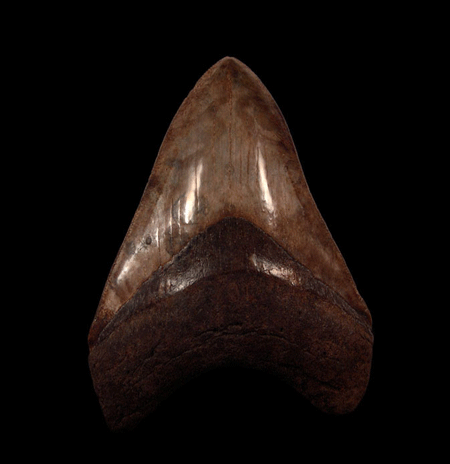
In the world of paleontology and fossil collecting, the allure of owning a genuine piece of prehistory is undeniable. Among the most sought-after relics of Earth’s ancient history are the colossal teeth of the legendary Megalodon—an apex predator that once ruled the seas millions of years ago. These fossilized teeth are captivating not just because of their size, but because they carry with them a tangible connection to the deep past.
However, as the popularity of fossil collecting grows, so does the market for imitations. This raises a crucial question for collectors and enthusiasts alike: how do you distinguish between a Megalodon tooth fake vs real? At Buried Treasure Fossils, we understand the importance of authenticity. That’s why we’ve put together this guide to help you identify the hallmarks of a genuine Megalodon tooth and avoid being misled by replicas.
The Surface Texture: Nature's Signature
One of the most telling features of a real Megalodon tooth is its surface texture. Authentic fossil teeth tend to have a weathered, organic appearance shaped by time and nature. These teeth have endured millions of years of geological processes—being buried under layers of sediment, exposed to water flow, and undergoing mineral replacement.
As a result, you’ll often find tiny pits, scratches, and natural imperfections along the enamel and root of a real Megalodon tooth. The enamel may have a slightly glossy look, but it should never appear uniformly polished or flawless. Many replicas, on the other hand, are made from resin or molded materials and often lack this depth of character. They might look overly smooth, feel waxy, or display unnatural wear patterns meant to simulate age.
When evaluating a Megalodon tooth, gently run your fingers over the surface. A genuine specimen will have an uneven, textured feel—more like stone than plastic or ceramic.
The Weight and Density: Heft Speaks Volumes
Another important trait to assess is the weight and density of the tooth. Genuine fossil teeth are heavy. This is due to the mineralization process that replaces the original organic materials with minerals like iron, manganese, or calcite over millions of years.
When you hold a real Megalodon tooth in your hand, you should feel its substantial heft. It should feel denser than an ordinary object of the same size. On the contrary, fake teeth—especially those made from synthetic materials—are often surprisingly lightweight. While this is not a definitive test on its own, a lack of weight can be a red flag when combined with other questionable characteristics.
At Buried Treasure Fossils, we always remind our collectors: let the density of the specimen be part of your examination checklist. It's one more layer of reassurance when determining authenticity.
Inspection of the Root and Blade: Details Matter
The next aspect to closely examine is the root and blade structure. Authentic Megalodon teeth have clearly defined, natural transitions between the root and the blade. The root, which anchored the tooth in the jaw, should show signs of age—weathering, fractures, or even mineral deposits.
Look at the blade: it should be symmetrical, but not perfect. Real blades often have subtle variations in serration, curvature, and edge wear. The serrations on authentic teeth are typically worn down but still detectable, especially near the tip and edges. Many fakes try to replicate these features but often end up looking too clean, too sharp, or oddly uniform.
It’s also important to note that real roots may appear broken or eroded due to the fossilization process, whereas replicas often attempt to mimic a complete and perfect structure. That “perfection” can be a giveaway.
Fossilization Signs: Earth’s Artistic Touch
One of the most definitive indicators of a real Megalodon tooth is the presence of signs of fossilization. When a tooth has undergone fossilization, you’ll often notice:
● Mineral deposits: These may show up as white patches, orange hues, or streaks of darker material embedded in the enamel or root.
● Sedimentary layering: The base of the tooth or areas around the root may have layers of compacted sediments still clinging to the surface.
● Color variation: Unlike replicas, which are typically painted or dyed a uniform color, authentic fossil teeth exhibit a range of hues based on the minerals present during fossilization.
These characteristics are difficult to fake convincingly. At Buried Treasure Fossils, we have seen countless authentic Megalodon teeth, and each one carries its own unique blend of earthy tones and fossilized textures. This natural variability is part of what makes real specimens so mesmerizing.
Ask the Experts: Trust Experience
When in doubt, don’t hesitate to consult with fossil experts. Experienced paleontologists, fossil dealers, and seasoned collectors have developed an eye for authenticity that comes from years of handling genuine specimens. If you're unsure whether a tooth in your possession is real, seeking a second opinion can be invaluable.
At Buried Treasure Fossils, we’re always happy to help our community learn and grow in their fossil collecting journey. Whether you’re just starting or expanding your collection, understanding the difference between a Megalodon tooth fake vs real is essential for maintaining the integrity of your finds.
Final Thoughts: Authenticity Is Everything
Owning a real Megalodon tooth is like holding a piece of ancient history in your hand. It’s a connection to one of the most awe-inspiring marine predators ever to exist, and it carries the weight—both literally and figuratively—of deep time. But as the fossil market expands, so too does the need for informed collectors who can discern genuine specimens from replicas.
By closely examining surface texture, assessing weight and density, inspecting the root and blade, and looking for signs of fossilization, you can approach fossil collecting with confidence and clarity. When possible, always turn to trusted experts like us at Buried Treasure Fossils for guidance and peace of mind.
Ready to Start or Expand Your Collection?
Explore our curated selection of authentic Megalodon teeth at Buried Treasure Fossils and discover the thrill of owning a true relic of the prehistoric ocean. Let us help you uncover your next treasure.
Disclaimer: This blog is intended for informational purposes only. It does not encourage or endorse any unethical or illegal practices related to fossil collection. Please always adhere to local laws and regulations and practice environmental responsibility.






