The ocean’s depths have always held secrets, but few relics capture the imagination quite like the fossilized teeth of the largest shark to ever live. Within the first moments of examining one of these massive specimens, the question inevitably arises—how big was the megalodon tooth, and what does it reveal about the powerful evolutionary strategies of this apex predator? At Buried Treasure Fossils, we specialize in bringing these prehistoric treasures to collectors, investors, and fossil enthusiasts, and we believe every tooth tells a story not just of size, but of survival.
Megalodon in the Evolutionary Timeline
To understand why these teeth matter, we must look at where Megalodon fits in marine evolutionary biology. Belonging to the extinct species Otodus megalodon, this shark dominated oceans between 23 and 3.6 million years ago. Unlike modern sharks, whose teeth average just a few inches, Megalodon teeth could surpass seven inches in length. Their structure—thick, triangular, and serrated—was designed not just for cutting but also for crushing bones, showcasing an evolutionary adaptation that allowed Megalodon to hunt whales and other large marine mammals.
By examining these teeth, scientists uncover evidence of ecological dominance and feeding behaviors that no modern predator can match. The teeth serve as biological blueprints, showing how evolution tailored Megalodon for survival in prehistoric seas.
Tooth Morphology as a Survival Strategy
One of the clearest lessons in marine evolutionary biology is how morphology shapes survival. The how big was the megalodon tooth question isn’t just about numbers; it is about functionality. Large teeth were not simply weapons—they were tools finely tuned by evolution.
● Size and Width: The broad crowns provided a wide surface area for slicing and crushing.
● Serrated Edges: These functioned like natural saw blades, ideal for cutting through flesh and bone.
● Thick Roots: A strong anchoring system to resist the immense forces generated when biting into prey.
This combination gave Megalodon unparalleled feeding efficiency, reflecting an evolutionary pathway where tooth design directly influenced survival.
Growth Patterns and Replacement Cycles
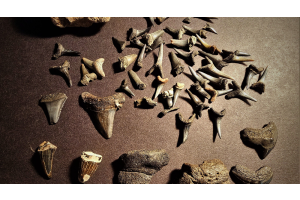
Sharks continuously replace their teeth, and Megalodon was no exception. Fossil evidence suggests these giants produced thousands of teeth during their lifetimes. Each new tooth was slightly adjusted in shape and size, refining feeding strategies across the shark’s growth stages. For collectors, this means an extraordinary diversity of tooth shapes exists—from symmetrical anterior teeth to massive posterior specimens.
Marine biologists find the replacement patterns of Megalodon to be inspiring evidence of this incredible predator's adaptability. Once the ruler of the oceans, Megalodon thrived by embracing continual renewal amid shifting conditions. This remarkable resilience offers us a valuable lesson in evolutionary history, reminding us that even the most formidable can evolve and transform to embrace survival in a dynamic world.
Comparing Megalodon to Modern Sharks
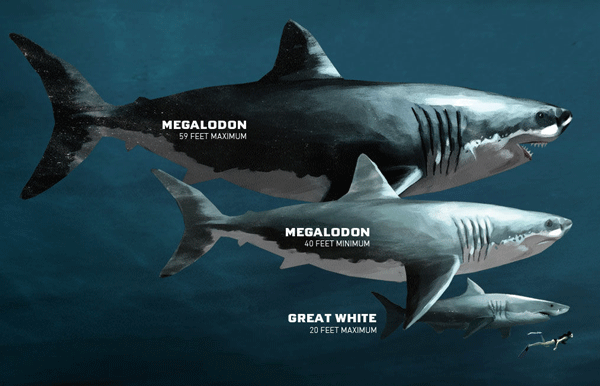
When discussing evolutionary lessons, comparison is essential. The great white shark, often considered Megalodon’s closest living analog, has teeth averaging about three inches long. While formidable, they pale next to Megalodon’s. Great white teeth are sharper and narrower, designed for fast cutting, whereas Megalodon’s were broader and heavier, designed for overpowering massive prey.
By studying these differences, we learn how evolutionary pressures create different solutions to the same survival challenge: securing food. The megalodon’s larger teeth reflect an ecosystem where prey was immense and abundant. Great white sharks, by contrast, adapted to a modern ocean where speed and precision are more advantageous.
Collecting Megalodon Teeth: History in Your Hands
For serious fossil investors and collectors, owning a Megalodon tooth is about more than size—it’s about holding a tangible piece of evolutionary history. At Buried Treasure Fossils, we carefully source and authenticate every specimen, ensuring that what you add to your collection is not only genuine but also representative of this shark’s incredible legacy.
The condition of each tooth is paramount, with aspects such as root integrity, the preservation of enamel, and the sharpness of serration playing crucial roles in determining both scientific significance and collectible value. Among our most exceptional offerings, you will find teeth boasting nearly flawless enamel and measuring over six inches in length. These remarkable specimens not only captivate the eye but also demand premium interest from collectors around the globe, making them true treasures in the world of paleontology.
The Scientific and Educational Value
Every tooth carries both scientific and educational importance. These fossils are teaching tools that bridge paleontology, evolutionary biology, and even conservation studies. Lessons include:
● Evolutionary Adaptation: How tooth design illustrates predator-prey dynamics.
● Ecosystem Insights: What the existence of such a predator says about ocean biodiversity millions of years ago.
● Extinction Events: How environmental shifts eliminated giants like Megalodon while sparing smaller species.
For collectors who want more than an investment piece, these fossils serve as portals into understanding life’s history on Earth.
Why Collectors and Investors Value Megalodon Teeth
The rarity of large, well-preserved specimens has made them icons in fossil collections. Beyond aesthetic appeal, they represent:
● Cultural Prestige: A conversation piece with undeniable presence.
● Scientific Relevance: A fossil that continues to influence marine biology research.
● Investment Stability: High-quality specimens often appreciate in value, particularly those exceeding six inches.
At Buried Treasure Fossils, we cater to both seasoned collectors and new investors by offering fossils ranging from entry-level pieces under $50 to museum-grade specimens worth thousands. Whether you seek a starter piece or a high-end collectible, our catalog ensures there’s a Megalodon tooth suited to your goals.
Lessons from Marine Evolutionary Biology
Returning to the central theme—how big was the megalodon tooth—the answer goes beyond physical dimensions. These massive fossils reflect a predator perfected by evolution to dominate ancient seas. The stunning details of these fossils reveal a fascinating array of survival strategies, highlighting the incredible adaptability and ecological brilliance of ancient species. Each tooth is not just a relic; it embodies the remarkable journey of evolution, celebrating both the successes and the poignant stories of extinction. These fossils offer us an intriguing window into the ever-changing narrative of life, showing how species rise, thrive, and sometimes gracefully slip away.
As enthusiastic collectors, our quest for these fossils goes beyond simple collection; it’s a heartfelt mission to honor and protect the rich evolutionary history of some of Earth’s most awe-inspiring predators. Every piece we add enhances our collection and contributes to a beautiful tapestry of life. It invites us to dive deeper into the mysteries of existence and the intricate survival narratives that have unfolded over countless generations. Let's embrace this incredible journey together!
Conclusion: Holding Power, History, and Value
In the end, asking how big was the megalodon tooth opens a window into both prehistoric oceans and our modern fascination with them. These colossal teeth, often over six inches, demonstrate not only the raw power of Megalodon but also the ingenuity of evolution in shaping predators for survival. For both collectors and investors, each specimen embodies a captivating fusion of science, history, and artistry. At Buried Treasure Fossils, we take immense pride in making these remarkable treasures accessible to all. We are dedicated to ensuring that every piece reflects exceptional authenticity and unparalleled quality, allowing enthusiasts to enrich their collections with the wonders of the natural world.