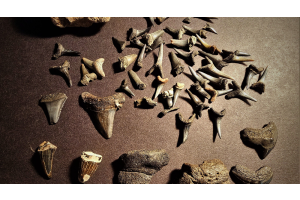
The story of prehistoric oceans is written not in words, but in fossils—especially the colossal teeth of the mighty Megalodon. Within the first layers of sediment that rest beneath ancient seafloors lies the secret of how these enormous shark teeth, including the alpha megalodon tooth, formed over millions of years. These teeth, preserved in compacted sand, clay, and mineralized deposits, tell the tale of evolution, geological transformation, and the enduring might of nature’s most powerful predator. At Buried Treasure Fossils, we take pride in sharing both the science and wonder behind these marine relics with collectors and educators alike.
The Ocean Depths Where Giants Once Ruled
Around 23 to 3.6 million years ago, during the Miocene and Pliocene epochs, Megalodon dominated the oceans. These prehistoric sharks were estimated to reach lengths of up to 60 feet, preying on whales, seals, and other large marine creatures. As apex predators, they left behind a legacy in the form of massive, serrated teeth that could measure over 7 inches in height.
Each alpha megalodon tooth represents not only a piece of this ancient predator but also a geological record of Earth’s shifting marine environments. The warm, nutrient-rich seas where they thrived were ideal for both life and fossilization. As these sharks shed thousands of teeth during their lifetimes, the remains sank into ocean sediments—beginning the slow and remarkable process of transformation into fossils.
Burial Begins: Sediment Layers and Early Fossilization
When a Megalodon lost a tooth, it settled onto the seafloor, often becoming buried almost immediately by fine sand, clay, or silt. These layers protected the tooth from scavengers and oxygen, slowing the decay process. Over thousands of years, more sediments piled on top, compressing the layers below.
As the ocean currents shifted and new materials accumulated, these sediments compacted further, forming dense sedimentary rock formations. Within this natural vault, the alpha megalodon tooth began its transformation. The organic materials in the tooth were gradually replaced by minerals such as silica, calcite, or iron, creating a fossil that could endure for millions of years.
The rate and quality of fossilization depended on several factors—sediment type, mineral content, and water chemistry. Fine-grained, low-oxygen sediments created ideal conditions for preservation, ensuring that even delicate serrations remained intact.
The Science of Mineralization
Mineralization is the cornerstone of fossil formation. When seawater rich in dissolved minerals seeps through sediment, it reacts with the organic matter inside buried remains. Over time, these minerals replace the biological components, molecule by molecule, transforming the tooth into stone.
The most common minerals in Megalodon tooth fossils are silica (which creates quartz-like hardness) and calcite (which enhances durability and structure). In some regions, iron oxide also infuses the tooth, producing beautiful hues of red, orange, or brown. This is why collectors often find alpha megalodon teeth in a variety of colors—from jet black and bluish-gray to tan or even golden brown.
Each shade reflects the chemical makeup of the sediments in which the tooth was buried. A black tooth, for instance, indicates high phosphate content, while a lighter tooth might have fossilized in carbonate-rich environments. This geochemical fingerprint makes every fossilized tooth a one-of-a-kind artifact.
Sedimentary Records and Geological Time
The geological layers that encased these fossils became archives of Earth’s climatic and oceanic history. By studying these layers, scientists can trace how ancient ocean temperatures, salinity, and tectonic movements influenced where Megalodons lived and how their remains were preserved.
Many alpha megalodon teeth discovered today come from regions that were once submerged under ancient seas, such as coastal North America, South America, and parts of Africa. The Atlantic Coastal Plain of the United States—especially areas in North Carolina, South Carolina, and Florida—is a hotbed for these discoveries. Fossils unearthed there often show exquisite preservation, owing to the dense phosphate sediments that once lined the prehistoric seabed.
From Deep Ocean Sediments to Land
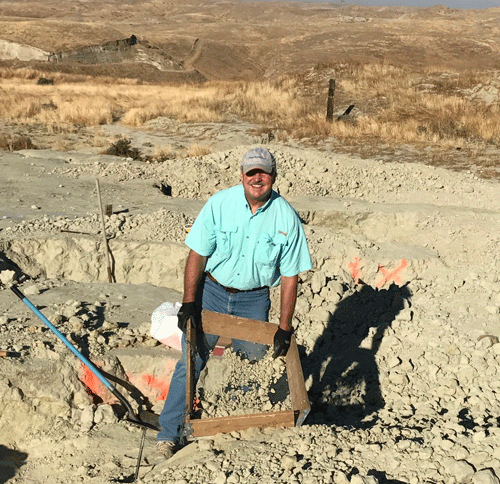
Over millions of years, tectonic activity, erosion, and sea-level changes gradually exposed these buried treasures. What was once a seabed became coastal cliffs, riverbanks, and inland deposits. As erosion cut through the layers of rock, alpha megalodon teeth reemerged, waiting to be discovered by modern fossil hunters.
Today, fossil collectors, students, and researchers continue to uncover these magnificent specimens. The process of discovery mirrors the natural forces that created them—slow, deliberate, and awe-inspiring. At Buried Treasure Fossils, we are proud to share these authentic finds, legally and ethically sourced, ensuring each tooth carries not just history but integrity.
Why Alpha Megalodon Teeth Are Unique
While many Megalodon teeth exist, alpha specimens stand apart. The term “alpha” refers to the largest and best-preserved examples—teeth that showcase perfect serrations, symmetry, and enamel. These premium fossils are often found in deeper or older sediment layers, where pressure and mineral stability allowed for exceptional preservation.
An alpha megalodon tooth embodies both scientific and aesthetic value. For educators, it provides a tangible link to lessons about paleontology, evolution, and sedimentary geology. For collectors, it represents the pinnacle of prehistoric beauty—a specimen that captures both time and power.
Connecting Paleontology and Passion
As fossil enthusiasts and educators, we believe in making prehistoric science approachable and exciting. Each fossilized tooth tells a story—not only of the Megalodon itself but of the Earth’s ancient ecosystems and geological transformations.
When we study or hold a megalodon tooth, we’re connecting with an ocean that no longer exists—a place where climate, chemistry, and life were entirely different. Understanding how these teeth formed helps us appreciate the delicate interplay between biology and geology. It’s not just a fossil; it’s a chapter of Earth’s history preserved in mineral and stone.
Preserving and Displaying Fossil Finds
Whether you discover a fossil yourself or add one from our carefully curated collection, proper preservation is key. After recovery, fossils should be gently cleaned with soft brushes and water—never harsh chemicals. Store them in stable environments, away from moisture and direct sunlight, to prevent cracking or fading.
At Buried Treasure Fossils, we ensure each alpha megalodon tooth is handled with care and expertise. Every specimen is examined for authenticity and quality, providing collectors with confidence in both scientific and aesthetic value. We also offer affordable options for beginners, so anyone—from students to seasoned collectors—can experience the wonder of ancient ocean life.
The Enduring Allure of Megalodon Fossils
Why do these teeth captivate us so deeply? Perhaps it’s the reminder that nature once created predators beyond imagination—or maybe it’s the incredible endurance of these fossils through time. Whatever the reason, Megalodon teeth bridge the gap between science and art, reminding us of Earth’s power to preserve and transform.
As we continue to study and share these fossils, we’re not only uncovering geological secrets but keeping the story of our planet alive.
Conclusion
The formation of the alpha megalodon tooth is a story of transformation—from living tissue to enduring stone, shaped by time, pressure, and chemistry beneath ancient seas. Through sedimentation and mineralization, nature preserved these magnificent relics as symbols of both power and persistence.
For educators, hobbyists, and passionate collectors alike, these fossils offer more than beauty—they’re windows into our planet’s dynamic history. At Buried Treasure Fossils, we invite you to explore our authentic collection and bring a true piece of prehistory into your classroom, study, or display. Discover how science, passion, and preservation unite through the timeless legacy of the alpha megalodon tooth.