

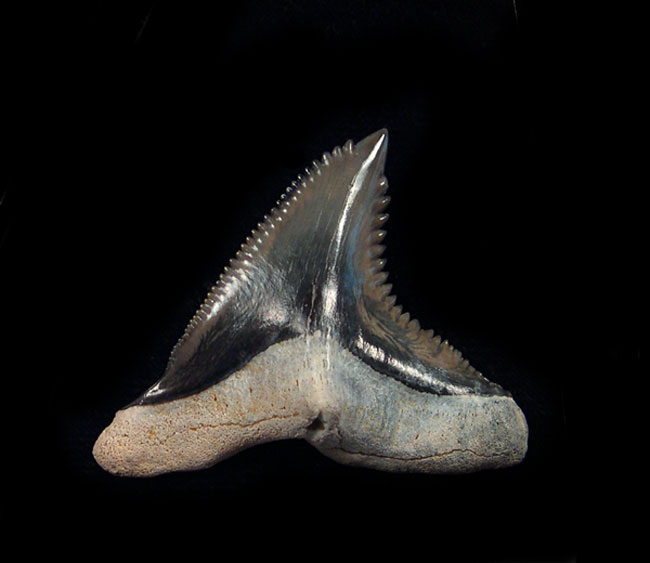
If you love fossils or want to start a unique collection, the Hemipristis shark tooth is one of the most fascinating treasures you can own. These teeth come from a prehistoric shark species called Snaggletooth, which lived millions of years ago in the oceans that once covered Florida. Today, these fossils offer a rare look into the past, with their sharp serrations and striking colors.
When you search for a Hemipristis shark tooth for sale, it’s important to find genuine, high-quality specimens that showcase the natural beauty and history of these ancient creatures. Let’s explore what makes these shark teeth special, where to find them, and how to care for your collection.
What Are Hemipristis Shark Teeth?
The Hemipristis shark tooth comes from the Snaggletooth shark, a species that lived between 23 and 2.5 million years ago. These sharks had unique teeth that helped them catch prey, and the teeth’s shape and serrated edges make them stand out among fossils.
Collectors prize these teeth for their beauty and scientific value. The teeth can vary in size and shape depending on their position in the shark’s mouth, adding an extra layer of interest for collectors. If you are looking to buy a Hemipristis shark tooth for sale, you’ll find that each piece tells a story about ancient marine life.
Why Florida Is Famous for Hemipristis Shark Teeth?
Florida is one of the best places in the world to find authentic Hemipristis shark teeth. The state’s rich fossil beds, especially Bone Valley and Golden Beach, have preserved these teeth with incredible detail. The natural environment helped keep the teeth intact for millions of years, often showing perfect serrations and vibrant colors.
When hunting for a Hemipristis shark tooth for sale, buying from trusted sources in Florida is a smart choice. These dealers often offer guarantees of authenticity and can provide detailed information about the fossil’s origin, which adds to the value and confidence in your purchase.
How to Spot a Real Hemipristis Shark Tooth?
With the rising popularity of shark tooth fossils, replicas and fakes have become common. Knowing how to identify a genuine Hemipristis shark tooth is essential to avoid disappointment.
Look for teeth with a glossy enamel surface and clear, sharp serrations. The root should appear solid and natural, not chipped or glued on. Real teeth usually have natural color variations and slight wear from fossilization, which replicas often lack.
When in doubt, choose dealers who offer authenticity guarantees and detailed descriptions of the fossil’s history. This helps ensure you get a real Hemipristis shark tooth for sale that will be a valuable addition to your collection.
The Unique Shape and Color of Hemipristis Shark Teeth
One of the most exciting things about Hemipristis shark teeth is their variety. Teeth from the upper jaw often look different from those in the lower jaw. This diversity lets collectors build sets that show the full range of shapes.
Colors also vary widely—from golden tans to deep blues and blacks. The contrast between the tooth’s crown and root can be striking, making each tooth look like a natural work of art.
When you find a Hemipristis shark tooth for sale with rich color and well-preserved serrations, you are getting more than a fossil—you’re getting a unique piece of history.
Caring for Your Hemipristis Shark Tooth Collection
To keep your Hemipristis shark tooth looking its best, proper care is important. Avoid exposing your teeth to strong sunlight or harsh chemicals, which can damage the enamel and fade the colors.
Store your fossils in a safe, cushioned place to prevent chips or cracks. Regularly dust your teeth with a soft brush to maintain their shine.
Good care will protect your collection and keep your teeth looking vibrant for years. This also helps maintain their value if you ever decide to sell or trade them.
Why Invest in a Hemipristis Shark Tooth?
Owning a Hemipristis shark tooth means holding a piece of ancient ocean history. These fossils show us what life was like millions of years ago and help scientists study evolution.
From a collector’s point of view, these teeth are beautiful, rare, and tend to increase in value over time. Whether you’re investing for passion or profit, authentic Hemipristis shark teeth are an excellent choice.
If you want a meaningful and timeless collectible, look for a genuine Hemipristis shark tooth for sale today.
How to Choose the Perfect Hemipristis Shark Tooth?
When buying a Hemipristis shark tooth for sale, consider several factors to make the best choice. Size matters—larger teeth often have higher value, but smaller ones with perfect serrations can be just as impressive.
Check the tooth’s color and enamel quality. Rich colors and sharp edges indicate a well-preserved fossil. Also, find out the tooth’s origin to ensure it comes from a reputable fossil site like Bone Valley or Golden Beach.
Having this information helps you pick a tooth that fits your collection goals and budget.
The Story Behind the Snaggletooth Shark
The Hemipristis shark tooth belongs to the Snaggletooth shark, a fascinating species that lived millions of years ago. Known for its snaggle-like teeth, this shark was well-adapted to hunt in prehistoric oceans.
Collecting these teeth connects you to this ancient predator and offers a glimpse into a time when massive creatures ruled the seas.
Every Hemipristis shark tooth in your collection is a reminder of Earth’s rich and mysterious past.
Final Thoughts
The Hemipristis shark tooth is a rare and beautiful fossil that offers more than just aesthetic appeal—it’s a direct link to ancient marine life. Whether you’re a beginner or an experienced collector, finding a genuine tooth can be exciting and rewarding.
By understanding the history, quality indicators, and care tips shared here, you’ll be better prepared to choose the perfect Hemipristis shark tooth for sale and enjoy it for years to come.
Start your fossil journey now with a piece that truly stands out!
Frequently Asked Questions
Q: How old are Hemipristis shark teeth?
A: They are from the Oligocene to Pliocene periods, roughly 23 to 2.5 million years ago.
Q: Are Hemipristis shark teeth hard to find?
A: While not extremely rare, well-preserved teeth with sharp serrations are highly sought after.
Q: Can I find Hemipristis shark teeth outside Florida?
A: Yes, but Florida fossils are often the highest quality.






