Fossil hunters often walk into the unknown, hoping to uncover a piece of history buried deep within the earth. In Chile, a recent discovery has brought something remarkable to light. A tooth, larger than most ever seen, surfaced from fossil-rich coastal ground. The megalodon tooth found in this region did more than capture interest; it sparked a significant discovery. It stirred the community of fossil collectors and researchers alike. When people look at the scale of this find, they recognize the unmatched strength and size of the predator it came from. This fossil belongs to a creature that once dominated the ocean with great power.
Let’s explore more detailed information:
A Tooth That Redefines Scale and Structure
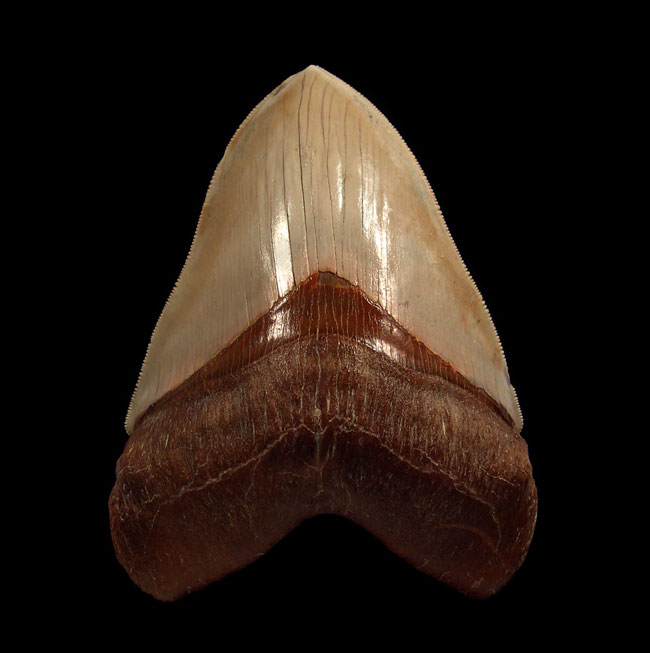
Collectors always seek rare fossils that carry both size and preservation. This tooth checks both boxes. The specimen discovered in Chile stood out the moment it left the ground. It showed thick enamel, visible serrations, and a fully intact root structure. Those physical traits help experts gauge the health and maturity of the animal it came from. In this case, every sign pointed toward a full-grown predator that moved through ancient seas with purpose. No part of the tooth required guesswork. Its shape and features spoke volumes about its original owner.
Chile Continues to Prove Its Fossil Potential
Chile continues to show its strength in fossil discovery. The country’s coastal land often offers more than just scattered fragments. It provides well-preserved fossils that allow researchers to study physical details with accuracy. The mixture of marine sediment and time protects fossils in a way that many other locations cannot. As erosion exposes new layers of land, collectors and scientists continue to find remains of prehistoric sea life. These discoveries bring new clarity to the lives and hunting behaviors of large marine animals. In the case of this tooth, it also confirms that this region once held creatures of unmatched scale.
Features That Speak Through Time
Each part of this fossil tells a story. The serrated edges reflect a sharp, functional tooth used for tearing through flesh. The glossy enamel shows that the fossil remained buried in ideal soil conditions. The broad root confirms that it belonged to a mature animal. These physical signs enable collectors to identify fossils that extend beyond their display value. They offer real insight into biology, evolution, and marine behavior. Researchers take these signs seriously because they establish connections between what we know and what remains to be studied. This tooth helps fill in essential details about Megalodon’s role in ancient marine life.
Proportions That Confirm a Giant Hunter
Researchers compared this specimen with other recorded finds and confirmed its massive size. By using known measurements, they linked the width and shape of the tooth to the approximate length of the shark. The megalodon tooth found in this case likely came from a shark that measured over fifty feet in length. That length puts it near the top of known estimates for Megalodon. What makes this discovery so important is the combination of size and condition. The tooth did not just survive. It remained intact, allowing for detailed observation without relying on speculation. It shows that Chile’s fossil environment supports preservation on a high level.
Collectors Value Integrity Over Restoration
People who collect fossils often value them based on authenticity. This fossil provided a comprehensive view of what collectors seek. Its root and enamel stayed untouched by artificial processes. No restoration work altered the surface or structure. Every inch of the tooth came from the earth, shaped only by time and nature. That kind of preservation gives buyers confidence. It also allows paleontologists to study the tooth without questioning its originality. Many fossils pass through hands without revealing much about their past. This one carries its history in clear, physical form.
Chile’s Fossil History Earns Respect Worldwide
Chile continues to prove itself as a vital location for marine fossil recovery. This latest find supports growing interest in exploring regions that hold evidence from the Miocene period. That era produced a wide range of aquatic species that dominated their habitats. The conditions along Chile’s coast create ideal protection for fossils to remain intact. Collectors now recognize that more treasures may lie beneath the surface. Each successful discovery encourages continued research and deeper exploration of this land. Chile does not just offer fossils. It provides stories told through natural preservation.
This Fossil Offers Clues Beyond Size
Every fossil, especially one of this size, adds a layer to our understanding of prehistoric life. This megalodon tooth carries physical data that helps experts study hunting behavior, migration, and growth. When they observe serrations and root depth, they identify the feeding method and strength behind the bite. When they examine coloration and density, they determine the soil composition where it rested. All of this information supports bigger questions in fossil research. The more complete the fossil, the more reliable the conclusions. This specimen plays a key role in that process.
Collectors See More Than Just a Trophy
Collectors do not just chase fossils for size. They chase the truth. A fossil like this does more than fill a shelf. It adds credibility to a collection and raises its overall value. When someone holds this tooth, they have a real connection to the natural world that existed long before us. This connection becomes stronger when the fossil remains untouched by modern interference. Nothing in this tooth speaks of artificial treatment. Everything about it reflects the natural forces that formed it. That kind of authenticity consistently earns attention and respect from people who value science and history.
Final Thoughts
In summary, the megalodon tooth found in Chile continues to draw interest for all the right reasons. It stands as a clear example of size, preservation, and natural integrity. It provides fossil enthusiasts and collectors with something rare. It also supports ongoing research into one of the ocean’s most powerful predators. Discoveries like this keep the fossil world alive with curiosity and inspiration. They remind us that prehistoric life left behind more than just bones. It left pieces that tell real stories. This tooth represents one of those stories, captured in shape, size, and strength.
Footnote
This fossil tooth provides a genuine connection to prehistoric marine life, offering fossil collectors and enthusiasts a compelling reason to explore, learn, and appreciate the ancient world through firsthand discovery.