

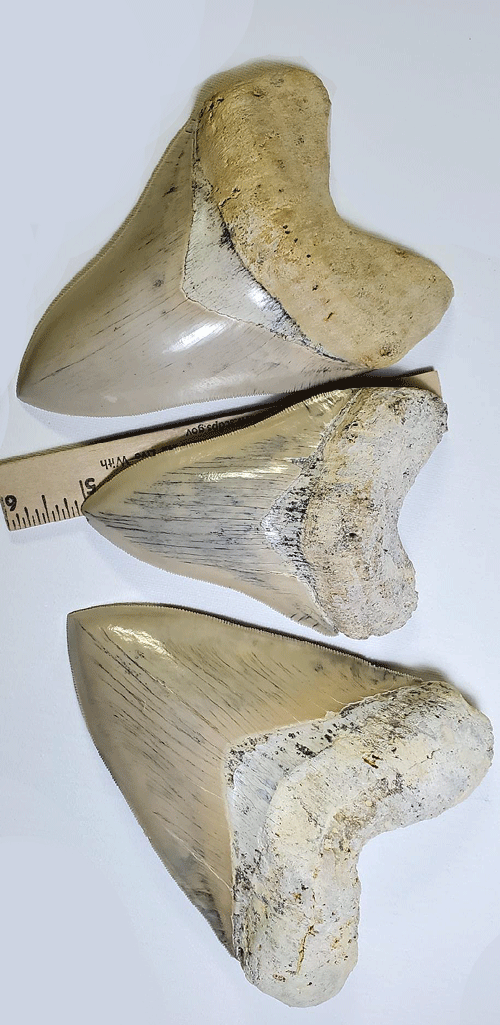
When you receive something rare through inheritance, it can leave you wondering about its origin. A large, fossilized tooth may not reveal its significance at first. Once you suspect it came from an ancient shark, the interest deepens. A megalodon tooth fossil holds physical presence and historical importance. You now need to figure out what it is and whether it has real value. Before deciding what to do with it, take the time to examine its traits. Every detail will help you reach a clear understanding of what you truly inherited.
Let’s explore more detailed information:
Identifying Key Signs of Authenticity
You can begin by checking the most visible and tactile features. A genuine fossil exhibits a unique surface texture, substantial weight, and irregularities that have formed naturally. You can feel its density when you hold it. The weight comes from mineralization that occurred over millions of years. Examine the tooth closely and look for signs of age. The root should appear thick and worn. Enamel often has tiny chips or worn edges. A replica usually feels too light, smooth, or overly symmetrical. Real fossils never appear perfect, which lends them credibility.
Using Texture and Color to Assess the Fossil
When you focus on the surface, check for uneven textures or natural ridges. Actual fossils do not typically carry glossy finishes or synthetic coatings, unless they were applied later. You should avoid polishing the tooth, as that can lower its value. Color also tells part of the story. Fossils acquire color from minerals in the surrounding soil. This gives each piece a unique tone. Expect to see natural blends of gray, brown, black, or even hints of blue. A solid or bright color may signal artificial enhancement, so always inspect it under natural light.
Understanding What Drives a Tooth’s Value
Several factors affect a fossil’s market value. You should first measure its size from tip to root. Larger teeth often attract more attention, but size alone does not guarantee worth. Collectors prefer teeth with sharp serrations, clean enamel, and intact roots. You should also inspect for chips, cracks, or any signs of repair. A smaller tooth with solid structure can carry more value than a larger, damaged one. Symmetry also matters. Fossils with a balanced shape typically look more appealing in display cases. Collectors appreciate both the visual impact and historical importance.
Evaluating Presentation and Collector Appeal
Collectors seek fossils they can both admire and trust. A megalodon tooth fossil with well-defined features and a natural finish draws more interest. Examine the serrations on both edges. Clear and consistent patterns can increase appeal. Look at the root shape. If it feels too smooth or looks too perfect, it may raise questions. Unique marks can increase the tooth’s value. Some teeth show signs of feeding or natural wear that tell a deeper story. These details give the fossil more character, making it more desirable among serious buyers.
Checking the Fossil’s Location and Background
Origin plays a significant role in a fossil’s worth. If your tooth came with notes, documents, or even photos, gather all of them together. Fossils from known regions tend to receive better recognition in the market. Discovery locations add credibility and help experts verify the authenticity of the piece. You should never discard any background information, even if it appears informal. Notes written decades ago might still support authenticity. If you cannot trace the location, you can still rely on physical features and expert evaluations. Every piece of context adds another layer of value.
Preparing the Fossil for Sale or Appraisal
If you plan to assess or sell the fossil, you should prepare it carefully. Start with accurate measurements and detailed photos. Use natural light and take shots from all sides. Show the enamel, root, and serrations clearly. Avoid using filters or edits that change the fossil’s natural look. When you describe it, stay factual. Mention size, color, weight, and visible features. Do not guess or exaggerate. Buyers appreciate honesty and informed descriptions. If you remain transparent about condition and background, you create trust with both appraisers and collectors.
Consulting the Right Fossil Professionals
Reach out to professionals who specialize in prehistoric marine fossils. These experts can verify authenticity, estimate value, and help you understand where your fossil fits in today’s market. Select those with experience and a proven track record. You should avoid fast offers that come without proper review. A serious appraiser will take time to examine the fossil and give clear feedback. If you plan to ship the item, pack it securely and ensure the package is well protected. Protecting the fossil during the process ensures its safe return and keeps it ready for its next chapter.
Deciding Whether to Keep or Sell
Some people choose to hold onto their fossil, even after learning its value. You can mount the tooth in a protective display and keep it as a family piece. If you do this, use safe materials that prevent moisture and dust buildup. Avoid exposing the fossil to direct sunlight or temperature shifts. If you decide to store it, wrap it in soft, acid-free materials and place it in a stable container. These small steps help preserve the fossil for future generations. Whether you sell it or keep it, proper care always matters.
Presenting the Fossil With Confidence
If you choose to sell, describe the fossil clearly and professionally. Mention any restorations, repairs, or unique features without hiding them. Collectors understand that fossils rarely appear in perfect condition. What matters most is honesty and accurate presentation. When buyers see a fossil with a detailed history and visible character, they pay closer attention. Even if your fossil shows wear, it still tells a compelling story. Confidence and transparency go hand in hand when entering the market. With the right approach, your fossil will attract the interest it deserves.
Final Thoughts
Inheriting a megalodon tooth fossil gives you more than just an object from the past. You hold a piece of Earth’s history, shaped by time and preserved through natural forces. Its condition, size, shape, and background help define what it means today. Whether you view it as a family heirloom, a potential investment, or a scientific piece, it remains something worth understanding. Take the time to evaluate it properly, consult the right experts, and choose the path that feels right. Every fossil carries a story, and now you decide how to honor that story in the future.
Footnote
Every fossil brings together knowledge, beauty, and a legacy. Understand what you hold and give it the attention it has earned.






