

If you’ve ever wandered along the sandy shores of Ocean Isle, you might have heard whispers about a megalodon tooth washing ashore. The giant prehistoric shark, known scientifically as Carcharocles megalodon, ruled the oceans millions of years ago, and its massive teeth remain a fascinating relic for beachcombers and fossil hunters alike. But did a megalodon tooth really get lost somewhere nearby? And if you find one, can you keep it? Let’s dive in.
The Legend of the Megalodon and Ocean Isle
The megalodon is often called the king of prehistoric sharks — growing up to 60 feet or more, it had teeth as big as a human hand. For years, stories of megalodon tooth ocean isle discoveries have stirred imaginations. Ocean Isle, with its rich marine history and fossil-friendly beaches, is a hotspot for enthusiasts searching for these ancient treasures.
The question is: how likely is it that a genuine megalodon tooth find lies buried beneath the sand? Keep reading to uncover the facts.
What Exactly is a Megalodon Tooth?
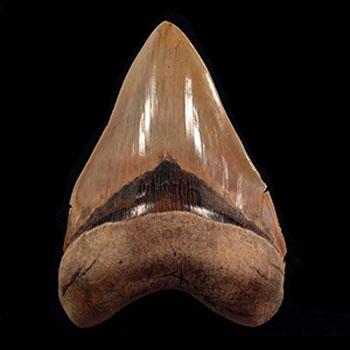
Before you start scanning the shoreline for giant shark teeth, it's important to understand what a true megalodon tooth ocean isle looks like. Megalodon teeth are triangular, serrated, and can measure over 7 inches long. They have a distinctive shape compared to other fossilized shark teeth found in the area.
At Ocean Isle, the best places to find such relics are usually near river mouths or areas where ancient sediment has been exposed. The natural erosion caused by tides can reveal fossils, including that coveted megalodon tooth.
Can You Really Find a Megalodon Tooth at Ocean Isle?
Yes, it’s possible, but not as common as you might think. Many shark teeth found on Ocean Isle are from smaller, more recent sharks. However, the region’s geological history does suggest prehistoric sharks, including the megalodon, once swam these waters.
If you keep an eye out, especially after a storm or during low tide, you might stumble upon a mega-sized fossil or a piece of a megalodon tooth. Just be patient and keep your expectations realistic.
How to Spot a Genuine Megalodon Tooth on the Beach?
Finding a real megalodon tooth, Ocean Isle fossil, isn’t just luck; it’s also about knowledge. Look for teeth that:
● They are large (usually over 4 inches)
● Have serrated edges
● They are black or dark brown due to fossilization
● Show a broad, flat base with a sharp, triangular tip
Suppose you spot something matching this description. Congratulations! You might have found a genuine megalodon tooth in Ocean Isle. But there are plenty of knockoffs and other shark teeth, so be sure to compare and research before getting too excited.
Legalities: Can I Keep a Megalodon Tooth from Ocean Isle?
One of the biggest questions fossil hunters ask is: If I find a megalodon tooth, can I keep it?
In short, yes, Ocean Isle beaches generally allow the collection of fossils, including shark teeth, as long as you don’t dig excessively or damage protected areas. However, always check local rules and regulations before you start hunting for a megalodon tooth.
Collecting responsibly helps preserve this natural treasure for others and keeps the beaches beautiful.
Tips for Hunting a Megalodon Tooth at Ocean Isle
Want to improve your chances of scoring a real megalodon tooth? Here are some handy tips:
1. Visit after storms or strong tides: These natural forces expose new fossils.
2. Use a sieve or screen: Filtering sand can reveal small, hidden teeth.
3. Focus on river mouths and eroded cliffs: Fossils often wash down into these areas.
4. Go early in the morning or late afternoon: Less crowded, more time to search.
5. Bring a guidebook or use an app: Learning about fossils can help you identify genuine finds.
With these strategies, your chances of discovering a rare megalodon tooth improve greatly.
What To Do If You Find a Megalodon Tooth at Ocean Isle?
Finding a megalodon tooth is thrilling! Once you’ve found one, here’s what you can do:
● Clean it gently: Use water and a soft brush to remove sand and dirt.
● Research its origin: Try to learn more about how old it might be.
● Share your find: Join fossil hunting forums or local groups to show off your prize.
● Consider framing or displaying it: These teeth make amazing conversation pieces and souvenirs.
Remember, each megalodon tooth ocean isle has a unique story—treat it with care and pride.
Why Are Megalodon Teeth So Popular?
There’s something magical about holding a piece of ancient ocean history. The megalodon tooth isn’t just a fossil; it’s a tangible link to a time when giant sharks ruled the seas. Collectors, scientists, and curious beachgoers all seek these teeth for their impressive size, unique shape, and mysterious past.
Plus, who wouldn’t want to brag about finding a tooth from a shark that made Jaws look like a guppy?
The Science Behind Megalodon Teeth at Ocean Isle
Ocean Isle’s unique geological past contributes to the presence of fossils here. Millions of years ago, shifting coastlines and underwater currents deposited sediment that preserved teeth and bones.
Scientists study megalodon tooth ocean isle specimens to learn about shark evolution, ancient ecosystems, and climate change. Every tooth adds a piece to the prehistoric puzzle.
So, your next megalodon tooth ocean isle find might help science, too!
What’s the Difference Between a Megalodon Tooth and Other Shark Teeth Found Here?
Ocean Isle’s beaches are full of shark teeth from many species, including the smaller sand tiger shark and bull sharks. The main differences are size and shape — megalodon tooth ocean isle specimens are significantly larger, with broader bases and thicker edges.
It’s easy to mistake smaller teeth for megalodon fossils, so take time to examine your finds closely. Use online resources or local experts to verify your treasure.
Can You Sell a Megalodon Tooth Found at Ocean Isle?
If you’re lucky enough to find a genuine megalodon tooth, you might wonder if it’s worth something. The answer: yes, these fossils can be valuable, especially larger, well-preserved specimens.
However, always verify the legality of selling fossils in your area, and make sure your tooth is authentic before putting it on the market. You might also want to donate or loan significant finds to museums, where they can be studied and enjoyed by the public.
Conclusion: The Hunt is On!
The idea of a megalodon tooth washing up on shore is exciting and within the realm of possibility. While finding a genuine megalodon tooth requires patience, knowledge, and a bit of luck, the experience of hunting fossils on Ocean Isle’s beautiful beaches is unforgettable.
So, pack your bucket, sharpen your eyes, and maybe your next stroll along Ocean Isle will uncover a prehistoric treasure. Who knows? That megalodon tooth at Ocean Isle might just be waiting for you.
Ready to Find Your Own Megalodon Tooth at Ocean Isle?
Why wait? Start planning your fossil hunt today. Grab your gear, check the tides, and head to Ocean Isle’s best fossil spots. Share your finds with friends, and who knows — you might be the lucky person who discovers a legendary megalodon tooth on an ocean isle.
Don’t forget to respect the environment and local rules while you’re at it!






