

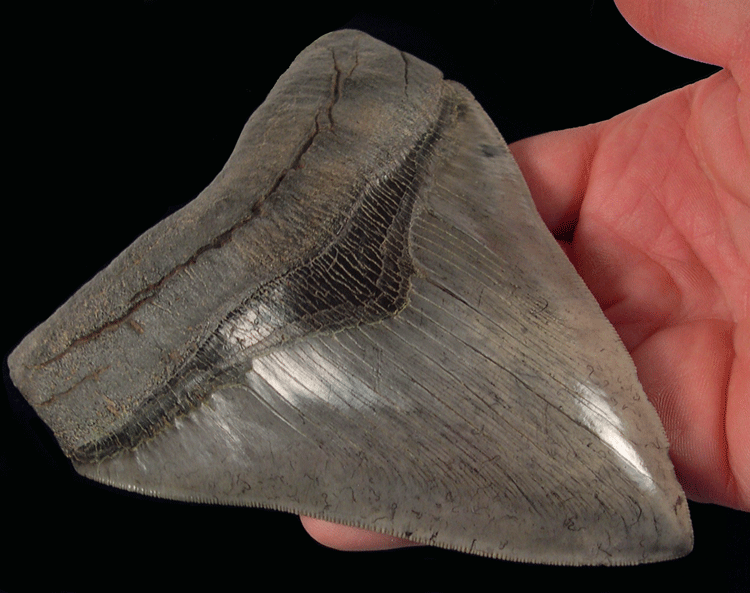
Imagine holding a tooth that once belonged to the biggest shark that ever lived, one that made even today’s great whites look like guppies. That’s precisely what you get with an Otodus megalodon Calvert Cliffs tooth. This prehistoric relic doesn’t just tell a story about giant sharks; it might also make you wonder if your wallet is about to feel the bite of history, or if your curiosity is about to get hooked.
Let’s explore why these teeth are so fascinating, where they come from, and whether adding one to your collection is worth the price tag. Spoiler: it’s more exciting than a shark movie marathon, and far less scary.
What’s the Big Deal About the Otodus Megalodon?
First, let’s get to know the star: the Otodus megalodon Calvert Cliffs tooth. Megalodon means “big tooth,” and this shark’s teeth could be the size of your hand, no exaggeration. These massive teeth once helped the megalodon rule the oceans millions of years ago.
Found mainly along the East Coast of the United States, the Calvert Cliffs in Maryland are famous for yielding some of the best-preserved megalodon teeth. These cliffs have been nature’s time capsule, protecting these treasures for over 10 million years.
Holding one of these teeth is like shaking fins with history itself, a chance to imagine the giant shark’s power in a way that no textbook can match.
But why do these fossils cause such a stir among collectors and scientists alike? Let’s dive deeper.
What Makes Teeth from Calvert Cliffs Special?
Not all megalodon teeth are created equal. The Otodus megalodon Calvert Cliffs teeth stand out for their unique color and condition. Many specimens show a beautiful tan or brown shade that’s almost exotic. Their enamel is usually sharp and intact, and the serrations along the edges, think of tiny saw teeth, are often still clearly visible.
This perfect condition happens because of the way fossils formed at Calvert Cliffs. Layers of sediment slowly buried and preserved these teeth in an ancient seabed. That’s why collectors value them highly; they’re rare, beautiful, and practically frozen in time.
And the size? Some teeth from Calvert Cliffs reach over 4 inches, making them some of the largest you can find.
If you’ve ever wondered what a real megalodon tooth looks like beyond pictures, this is it. But, before you start dreaming about owning one, there’s more to know.
Why Do Otodus Megalodon Teeth Command Such High Prices?
Like rare gems, Otodus megalodon Calvert Cliffs teeth don’t come cheap. Prices vary based on size, condition, and rarity, but a top-quality specimen can easily cost hundreds or even thousands of dollars.
So, what makes these teeth worth that kind of money? Several factors come into play:
● Rarity: Calvert Cliffs teeth are less common compared to teeth found in other regions.
● Condition: Pristine enamel and sharp serrations boost value.
● Provenance: Knowing exactly where and when the tooth was found adds to its credibility.
● Aesthetics: That natural tan color is a collector’s dream.
These factors make the Otodus megalodon Calvert Cliffs tooth a prized possession—and yes, it might just give your wallet a little nip.
Still, if you’re fascinated by ancient giants, the thrill of owning a piece of the past can outweigh the price tag.
The Science and History Behind Calvert Cliffs
The story of the Calvert Cliffs is just as interesting as the fossils they hold. These cliffs stretch along the Chesapeake Bay and are made of sediment deposited millions of years ago. Back then, the area was covered by a warm, shallow sea filled with marine life, including the legendary megalodon.
As time passed, layers of mud and sand covered the remains of marine creatures, slowly turning them into fossils. The Otodus megalodon Calvert Cliffs teeth you see today are a direct result of this natural preservation.
This makes the cliffs one of the richest fossil sites in the U.S., attracting amateur fossil hunters and serious scientists alike.
It’s like nature’s own museum, but with the chance to find a real treasure if you’re lucky.
How to Identify Authentic Otodus Megalodon Teeth?
Because these fossils are so valuable, fake teeth are unfortunately a thing. But don’t worry, spotting an authentic Otodus megalodon Calvert Cliffs tooth isn’t rocket science once you know what to look for.
● Serrations: Real teeth have sharp, uniform serrations on the edges.
● Root Texture: Genuine fossils show a rough, porous root, fakes tend to be smooth.
● Weight: These teeth have a natural heft. Too light? Be cautious.
● Provenance: Trust dealers who provide a clear fossil history.
Getting a fake tooth is like biting into a jellyfish: unpleasant and disappointing. But a genuine Otodus megalodon Calvert Cliffs tooth? That’s the thrill of a lifetime.
Ready to discover how to keep your fossil safe and stunning?
Caring for Your Megalodon Tooth Like a Pro
Once you’ve got your Otodus megalodon Calvert Cliffs tooth, you’ll want to keep it looking sharp. These fossils, which may be millions of years old, still require TLC.
Avoid harsh chemicals, extreme heat, or direct sunlight; these can damage the enamel and dull the beautiful color. Store your tooth in a display case or a shadow box where it won’t get bumped or dusty.
A little love goes a long way in keeping your prehistoric treasure in mint condition.
Where can you find one for yourself? Keep reading!
Where Can You Get Your Own Otodus Megalodon Tooth?
If hunting for your own Otodus megalodon Calvert Cliffs tooth sounds like a fun adventure, visiting Calvert Cliffs State Park in Maryland during fossil season might be your best bet. The thrill of finding a tooth yourself is unbeatable, but be ready for some serious patience.
Alternatively, many reputable online stores and fossil shops sell authentic specimens, often with a certificate of authenticity. Buying from trusted sources helps avoid fakes and ensures you get a high-quality piece.
Whether you’re an avid fossil hunter or a newbie collector, owning a genuine Otodus megalodon Calvert Cliffs tooth is within reach if you’re ready to take the plunge.
Curious about the real story behind these ancient giants? Let’s wrap up with some fun facts.
Fun and Surprising Facts About the Megalodon Tooth
Did you know the megalodon’s bite force was estimated to be as strong as a locomotive? Its teeth were designed like serrated knives, perfect for slicing through giant prey. The Otodus megalodon Calvert Cliffs teeth show this perfectly.
Also, despite their size, these teeth are surprisingly light, thanks to their internal structure. And although megalodons vanished around 3.6 million years ago, their teeth keep telling their story.
The next time you see one, remember you’re looking at a natural marvel that survived the test of time, and maybe a hefty price tag.
Ready to make one part of your collection? Don’t miss out!
Final Thoughts: The Real Bite of Otodus Megalodon Calvert Cliffs
So, will owning an Otodus megalodon Calvert Cliffs tooth bite your wallet or just your curiosity? The answer is: a bit of both. While these rare fossils can be pricey, they’re priceless in their connection to the past.
For collectors, scientists, or just anyone fascinated by ancient oceans, these teeth offer a unique window into a world long gone. Their rarity, beauty, and history make them worth every penny and every glance.
If you’re tempted, don’t wait. Dive into the world of prehistoric sharks and bring home a tooth that tells a million-year-old story.
Ready to bite into history? Explore authentic Otodus megalodon Calvert Cliffs teeth today and own a jaw-dropping piece of the past!






