Not everything buried beneath the ocean floor is forgotten. Sometimes, it resurfaces with whispers of a past too colossal to ignore. Among the treasures brought to light by early oceanic explorers, few rival the intrigue of the HMS Challenger megalodon tooth. Tucked away in maritime legend and biological mystery, this fossilized remnant is more than a relic—it’s a silent witness to an ocean once ruled by giants.
The HMS Challenger expedition wasn’t initially searching for sea monsters. In the late 19th century, the crew set out to chart the unknown depths, not to stumble upon a predator’s fossilized grin. Yet, what they recovered was something more enduring than their original goal: a piece of a megalodon tooth, fossilized and embedded in scientific controversy ever since.
Before diving deeper, let’s set the stage for this unusual discovery.
A Glimpse into the Depths of Time
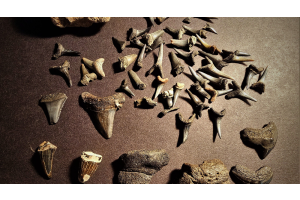
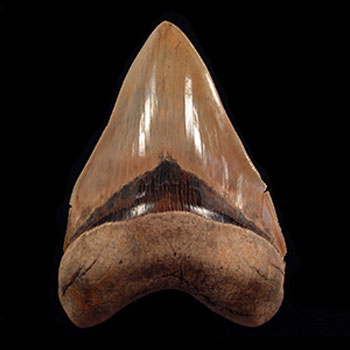
The megalodon shark—formally known as Otodus megalodon—was a behemoth. With jaws large enough to crush whales and teeth the size of a human hand, it ruled the oceans millions of years ago. Unlike bones, which tend to break down over time, its teeth fossilized by the thousands. Most of them turn up near coastlines, in eroded cliffs or diving sites.
But this one? This tooth came from the bottom of the sea—dragged up during a voyage that had little to do with paleontology.
The HMS Challenger expedition (1872–1876) was a scientific endeavor aimed at understanding the world's oceans. Its discoveries shaped marine science as we know it. But one of its most fascinating finds—a megalodon tooth dredged from the seabed—sparked a lingering question: How old could it really be?
When Dating Fossils Feels Like Guesswork
The tooth found by the HMS Challenger team was initially estimated to be a few million years old. Yet later claims suggested it might be younger than expected. Some proposed it could be less than 10,000 years old—a theory that sent waves through the scientific community.
Why? Because if a megalodon tooth had remained in such pristine condition in a relatively recent layer of sediment, it might hint that the species survived far longer than previously thought.
Of course, dating fossils isn’t always precise. It relies on more than carbon measurements. Fossils must be studied in the context of the sediment, surrounding fauna, and mineral absorption. A single tooth pulled from a deep-sea floor doesn’t come with a timestamp. And that lack of clarity is precisely what keeps the debate alive.
The Allure of Ancient Predators
Fossil hunters and collectors often feel drawn to megalodon teeth, not just for their size, but for the sense of wonder they evoke. Each one is a physical reminder of a time when the oceans weren’t ruled by cargo ships and submarines—but by a predator that made great whites look like minnows.
The HMS Challenger megalodon tooth remains a star among enthusiasts for its connection to deep-sea exploration. Unlike other fossils found near the surface, this one originated far below, wrapped in mystery and dredged from obscurity.
Its condition raised eyebrows—its enamel intact, its ridges sharp. Some argued that it looked too "new" to be ancient. Others believed that under the pressure of the deep sea, the fossilization process might have preserved it better than expected. Regardless of which theory holds more weight, the fact remains: this tooth is different.
Why This Fossil Keeps People Guessing
There's something magnetic about questions that never seem to have clear answers. The idea that a creature long assumed extinct might have lingered on into relatively recent times is irresistible, even if unlikely. That’s why the Challenger tooth continues to feature in both scientific discussions and speculative documentaries.
But it also represents something more profound—the possibility that there are still mysteries left to uncover. The ocean, even with modern technology, remains a place of secrets.
Every fossil tells a story. This one tells several.
When a Tooth Becomes a Time Capsule
Holding a megalodon tooth—especially one tied to a famous expedition—is like having a piece of deep time. It's not just a fossil. It's evidence of life, death, pressure, time, and geological transformation.
Collectors know this. That’s why a tooth with a story—whether found in the depths of the Mariana Trench or along a North Carolina shoreline—carries more than aesthetic value. It holds narrative weight.
The HMS Challenger megalodon tooth has become iconic not because it’s the largest or sharpest, but because it carries a scientific riddle. That makes it something far more captivating.
So…Could Megalodon Have Lingered?
Here’s where things get slippery. No, there’s no confirmed evidence that megalodons survived into recent centuries. Most experts agree that the species went extinct around 3.6 million years ago. Still, the condition of the Challenger tooth fueled stories about possible survival, deep-sea hiding spots, or overlooked sightings.
Of course, no modern bones, DNA, or bite-marked whalebacks to back it up.
Yet curiosity isn’t always about proof. It’s about possibility. The megalodon continues to swim in our imaginations, and the Challenger tooth is part of that tide.
What This Means for Fossil Lovers
Whether you're a seasoned collector or someone newly enchanted by the allure of ancient marine giants, fossils like this serve as tangible pieces of a world lost to time. And while the HMS Challenger's legacy is deeply rooted in oceanography, it inadvertently opened a door into paleontology as well.
Finding a fossil with such a strange backstory reminds us that science doesn’t always unfold the way we expect. And sometimes, it takes an old wooden ship and a curious crew to haul up a mystery.
Ready to Discover Your Own Deep-Sea Wonder?
The fossil world is filled with captivating finds—but few carry the mystique of those tied to legendary expeditions. Suppose you're looking to add something truly unusual to your collection or simply want a conversation starter with a trace of history. In that case, megalodon teeth from diverse origins are a compelling place to start.
Hold a piece of the ocean’s past in your palm—and feel the weight of stories it still carries.
Explore unique megalodon fossils today and bring the ocean's ancient secrets into your space.