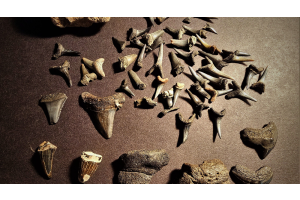
Nature has a quiet way of preserving stories. Sometimes, they’re pressed deep within layers of sediment. Other times, they rest quietly in ancient riverbeds, waiting for curious hands to bring them to light. Along the soft, fossil-rich terrain of North Carolina’s Lee Creek, that story emerges again and again—etched into the ancient enamel of a creature that once ruled the sea.
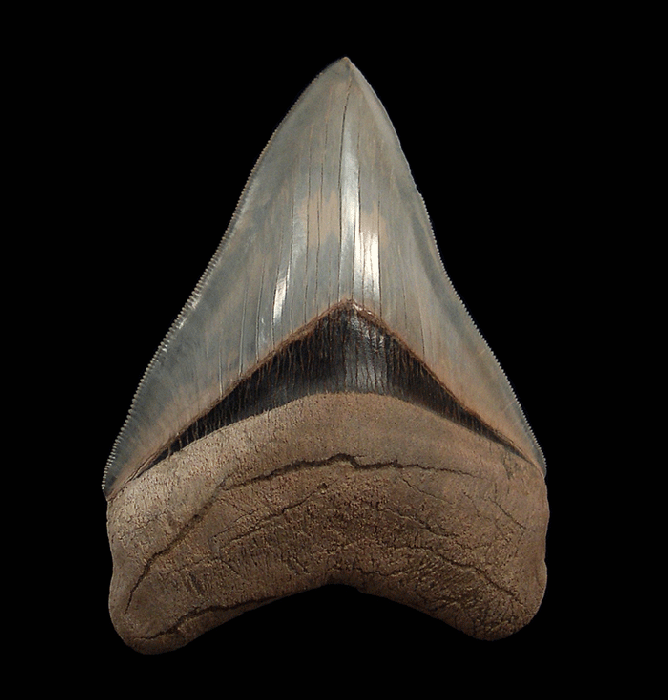
Buried for millions of years and brought back into daylight, the most treasured of these finds is the Otodus megalodon - Lee Creek fossil tooth. Sleek, worn, and rich in prehistoric mystery, it continues to captivate both collectors and those intrigued by Earth’s ancient past.
The Riverbank That Tells a Story
Lee Creek doesn’t look out of place. From a distance, it appears like any other riverbank. But beneath the soil lies a timeline of natural history, layered in phosphate-rich sediment that quietly holds some of the ocean’s oldest secrets. For fossil hunters, this place is anything but ordinary.
The riverbed acts like a time capsule. As the waters receded over millennia, they left behind the remnants of creatures that once swam freely through a different kind of sea. Fossils from both the Miocene and Pliocene epochs are found here, providing researchers and collectors with a rare glimpse into a world that existed long before our own.
When Fossils Speak Through Color
What makes Lee Creek fossils so fascinating isn’t only their age—it’s also their appearance. A tooth found here is often tinged with calming shades of blue-gray, taupe, or soft charcoal. These subtle hues are the result of mineral absorption during fossilization. Over millions of years, the surrounding sediment influences the tone and strength of each piece, giving every tooth a slightly different story to tell.
Some collectors are drawn to fossils by rarity. Others are drawn by aesthetics. A megalodon tooth from this area delivers both. Its size and serrations offer insight into a long-extinct predator. At the same time, its smooth surface and soft tones make it a centerpiece for display or study.
A Shark Bigger Than Imagination
The prehistoric megalodon is often described as one of the largest and most fearsome predators that ever existed. Estimates suggest it could grow up to 60 feet in length, easily dwarfing today’s great white shark. Its jaw could span over 9 feet, and its bite force was strong enough to crush the bones of whales.
For those holding a megalodon tooth, the experience is surreal. Each fossilized piece is a surviving trace of a creature that once ruled the ocean without rival. The size of the tooth, often over 5 inches long, gives you a sense of the scale and strength of the animal it belonged to.
But these teeth also hold stillness—a reminder that even giants fall to time.
Why Lee Creek Fossils Matter More Than Ever
Fossils from Lee Creek aren’t just collected—they’re cherished. In recent years, access to the site has been significantly reduced. As the area has become more regulated and less available to collectors, fossils from Lee Creek have grown in rarity and value.
This increased scarcity has turned the riverbed into a legend of sorts within the fossil community. Teeth found in this area are recognized not only for their beauty and size but also for their origin. Provenance plays a significant role in fossil collecting, and a tooth from Lee Creek brings with it a story tied to both natural history and human curiosity.
Each Tooth Has a Journey
Finding a megalodon tooth is more than reaching into the soil. It’s a process of study, preparation, and sometimes a bit of luck. Collectors often spend hours scouring riverbeds, analyzing patterns in the sediment, and carefully brushing away the layers. Once found, each tooth must be cleaned gently and preserved without damage.
Over time, these teeth may end up in private collections, natural history museums, or educational exhibits. Wherever they land, their silent story continues. For many, owning one means holding a piece of Earth's memory. This piece connects the oceans of the past to present-day curiosity.
The Emotional Pull of Prehistoric Relics
It’s difficult to explain the emotional response some people feel when they first hold a megalodon tooth. There’s a kind of stillness in that moment—an awareness that this object once belonged to a creature that swam freely millions of years ago. That connection bridges time.
Collectors often describe the appeal as spiritual. It’s not only about science, though the biological aspect is essential. It’s also about wonder. There’s comfort in knowing that the Earth has these buried stories, and there’s joy in discovering and preserving them.
From the Depths to Your Display
A high-quality megalodon tooth, especially one sourced from Lee Creek, can become a centerpiece. Its shape and coloration make it striking, and its origin gives it weight. Whether framed in a shadow box, set on a desk, or added to a growing fossil collection, it quickly becomes the kind of item that draws conversation and admiration.
Teachers, curators, and private collectors alike have long used these fossils to connect others to the prehistoric world. They aren’t merely relics—they’re stepping stones to understanding.
Why Now Is the Right Time
Given the increasing difficulty in accessing Lee Creek, fossils from this location are becoming harder to find. This isn’t a scare tactic—it’s a gentle reminder that rare items don’t stay available forever. As demand grows, so does the urgency to secure specimens with genuine provenance.
Whether you’re new to collecting or looking to add something rare to your existing fossil trove, a tooth from Lee Creek brings historical and aesthetic value. These aren’t mass-produced replicas or resin casts. They’re remnants of a natural story that predates us all.
The Otodus megalodon: Lee Creek Fossil Is More Than a Tooth
By the time the Otodus megalodon - Lee Creek tooth reaches your hands, it has already traveled through millions of years. It has survived changes in sea level, climate shifts, and the slow passage of time. It’s been discovered, cleaned, and preserved for a purpose: to be appreciated, studied, and admired.
This is more than a collector’s item. It’s a reminder of a time when the ocean echoed with the movements of creatures that are now long gone. It’s a piece of a larger puzzle, a beautiful artifact that speaks volumes without needing to be spoken.
Looking for a Meaningful Addition to Your Fossil Collection?
Browse our selection of authentic megalodon teeth sourced from historic locations, such as Lee Creek. With their rarity increasing and each fossil offering its own unique charm, now is a thoughtful time to own a piece of prehistoric marine history. Let your collection tell deeper stories—one tooth at a time.