

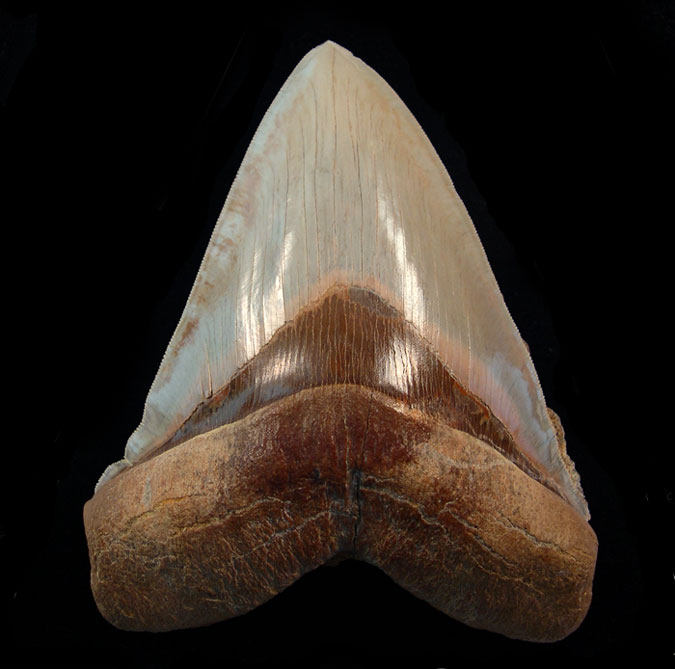
The discovery of fossils always sparks curiosity about the deep past, but some finds hold extraordinary clues about how our planet has changed. Among the most fascinating are the Megalodon tooth from Chile, which not only reveal the size and power of this prehistoric predator but also tell us about the climate shifts that shaped marine ecosystems roughly four million years ago. These fossils allow us to bridge the gap between paleontology and climate science, helping researchers and students alike understand how prehistoric life adapted—or failed to adapt—to environmental change. Within the first 60 words of examining these specimens, one cannot overlook how such treasures expand our knowledge of both ancient oceans and the global climate story.
A Glimpse into the Giant of the Seas
Otodus megalodon, the largest shark to ever exist, dominated the oceans between 20 and 3 million years ago. Measuring up to 60 feet in length, this massive predator preyed on whales and other large marine animals. The Chile Megalodon tooth discoveries are particularly important because they were preserved in sediment layers formed during the late Miocene to early Pliocene. These layers correspond with a period of significant climate change, where cooling oceans reshaped habitats and prey distribution. By studying these fossils, we can reconstruct the ecological pressures that influenced the decline and eventual extinction of Megalodon.
Fossils as Climate Archives
Shark teeth, especially those of Megalodon, serve as natural time capsules. Their chemical composition can be analyzed to determine ocean temperatures at the time the shark lived. Studies of Chilean finds indicate fluctuations in oceanic conditions, showing a cooling trend that gradually reduced the warm-water zones Megalodon required. These insights align with evidence of global climatic transitions, such as the closure of seaways and the expansion of polar ice caps. For scientists, the connection between a Megalodon tooth from Chile and these larger processes underscores how marine predators can act as indicators of climate health.
Why Chilean Fossils Stand Out
Megalodon teeth, a fascinating glimpse into the prehistoric world, have been unearthed across various regions, but it is in Chile’s phosphate-rich deposits that some of the most exquisite specimens have emerged. These remarkable fossils, with their razor-sharp serrations, well-preserved roots, and striking hues, showcase the extraordinary condition in which they have been found. However, a significant shift has occurred; the Chilean government has imposed a ban on new fossil collecting, rendering these existing specimens increasingly rare and immensely valuable. This scarcity heightens the significance of the teeth we study today, as each one serves as a unique artifact, offering invaluable insights into ancient ecosystems and the environmental pressures that shaped them.
Lessons from a Prehistoric Predator’s Decline
Megalodon’s eventual disappearance was not due to a single factor but rather a combination of climate cooling, habitat loss, and prey scarcity. As temperatures dropped, warm-water environments contracted, pushing whales—the shark’s primary prey—into colder waters where Megalodon could not thrive. This ecological mismatch mirrors the challenges modern marine life faces today as ocean temperatures fluctuate due to climate change. By examining the rise and fall of Megalodon through specimens like the Chile Megalodon tooth, we gain perspective on how environmental shifts can affect even apex predators.
The Role of Fossil Collecting in Science and Education
At Buried Treasure Fossils, we are deeply passionate about preserving and sharing these remarkable pieces of prehistory. Since 2000, we have made authentic fossils—from shark teeth to dinosaur bones—accessible to collectors, educators, and researchers around the world. Our catalog includes genuine Megalodon teeth, ammonites, trilobites, and even rare specimens like penguin skulls and whale teeth. Every fossil comes with authenticity guaranteed, often sourced from private lands where collecting is legal and carefully conducted.
For students and climate researchers, these ancient fossils are more than just exciting collectibles; they are invaluable tools for uncovering the rich stories of evolution, extinction, and environmental change. Holding a tooth from the mightiest shark ever sparks curiosity and inspires a deeper appreciation for the intricate dynamics of marine ecosystems. These incredible remnants not only encourage exploration but also nurture a heartfelt respect for the delicate balance that sustains life beneath the waves. Embracing these fossils opens up a world of discovery, igniting passion for our planet's history and its future!
Fossils and Accessibility
We understand that embarking on the journey of fossil collecting can feel daunting for newcomers. That's why we meticulously crafted our catalog to be user-friendly and inviting. Offering a diverse selection that spans from affordable treasures under $50 to exceptional museum-grade specimens, we cater to every enthusiast—whether you’re a student excitedly purchasing your very first fossil or a seasoned collector in search of your next prized addition.
Our catalog includes intuitive sorting tools, a secure and efficient checkout process, and worldwide shipping, ensuring that your experience is not only enjoyable but seamless. Each fossil is accompanied by rich educational descriptions that vividly narrate its unique history, allowing you to connect with the story behind each piece. Discovering meaningful fossils has never been easier or more rewarding!
Continuing the Conversation on Climate and History
By exploring the chemistry, size, and condition of fossils like the Megalodon tooth from Chile, scientists continue piecing together how ocean systems transformed millions of years ago. These lessons resonate powerfully in today’s world, where marine ecosystems are under stress from warming seas, acidification, and human activity. The story of Megalodon reminds us that no species, no matter how dominant, is immune to climate change. Understanding this history provides critical context for addressing modern challenges.
Conclusion: What the Past Teaches Us About the Future
The discovery and study of the Chile Megalodon tooth offer a remarkable window into both prehistoric life and the climatic forces that shaped it. These fossils show how shifts in ocean temperature and habitat availability contributed to the extinction of one of Earth’s most formidable predators. Just as researchers and educators draw lessons from these specimens, we at Buried Treasure Fossils remain committed to making authentic fossils accessible, educational, and inspiring.
Regardless of whether you are a dedicated scientist, an inspiring teacher, or a passionate collector, immersing yourself in these remarkable ancient treasures serves as a profound reminder of how our rich past shapes both our present and future. If you have an insatiable curiosity to uncover more genuine fossils that shed light on the intricate story of Earth’s history, our carefully curated collection is poised to lead you on an enlightening journey of discovery.






