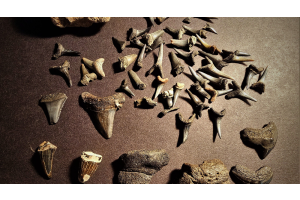
Buying a megalodon tooth can feel like securing a powerful piece of prehistoric history. You admire its size, its color, its sharp edges. Everything about it suggests authenticity. But sometimes, what looks impressive at first glance may hide more than just ancient age. Sellers can repair or restore fossils. Some openly share those details. Others avoid the subject altogether.
When that happens, buyers feel misled. You thought you were holding something untouched, but now you begin to question it. That feeling is valid. Understanding what those hidden repairs can hide helps you evaluate what you truly own. It protects you from overpaying and lets you collect with confidence.
Why Repairs on a Megalodon Tooth Happen More Often Than You Think?
Megalodon teeth rarely come out of the ground in perfect condition. These fossils have spent millions of years underground. Cracks, breaks, and surface damage are common. To improve the appearance or make the fossil more marketable, sellers often repair the flaws. In honest situations, the seller discloses this information, and the buyer decides with full awareness.
However, in many cases, repairs remain unspoken. When sellers polish, fill, or even rebuild parts of a tooth, they change its story. These changes do not always lower the value. Still, if the restoration goes undisclosed, they shift the trust between buyer and seller.
How Surface Work Can Change the Tooth’s Story?
Polishing and surface treatments serve one purpose: to enhance appearance. That process can smooth out rough patches and add shine. But it also removes natural texture and dull features that help confirm age and authenticity.
Keep an eye out for these surface clues:
● The enamel looks unnaturally glossy under light.
● The texture feels smooth instead of grainy or weathered.
● Shiny areas appear consistent across the entire tooth.
● You notice no visible pits or fine mineral lines anywhere on the surface.
Real enamel from a megalodon tooth should show some unevenness. When it looks perfect, you may be seeing a cover instead of a fossil.
Areas Where Sellers Often Hide Repairs
Most repair work targets areas where fossils are damaged during excavation or after years underground. These areas give away the most when closely inspected.
Watch for these signs:
● The line between the root and the crown appears too clean or sharp.
● The color transition from top to bottom looks completely uniform.
● One side of the tooth looks identical to the other, without natural flaws.
● The root feels different in texture than the enamel above it.
Any of these signs may suggest the use of filler or restoration work. Sometimes, sellers rebuild a missing part and blend it into the fossil. Without clear disclosure, this affects both authenticity and value.
Why Hidden Fixes Affect What You Paid For?
Restorations, if noted, can keep a fossil from falling apart or losing form. When properly disclosed, repairs do not always reduce value much. However, when sellers remain silent about them, perceptions of the fossil shift. You might have paid the price for a complete, unrestored specimen. But if that tooth contains filler, polish, or rebuilds, it no longer matches the item you believed you were purchasing. Buyers invest in fossils with trust, not just cash. Once someone damages that trust, the entire collecting experience suffers.
Know What to Ask Before Any Purchase
Astute collectors do not rely solely on appearance. They ask clear, direct questions before committing to a fossil purchase. These questions help uncover details about possible restoration.
Ask the seller:
● Has this tooth been repaired or restored in any way.
● Can I view multiple close detail images of the root and crown.
● Does the surface contain any coatings, resin, or polish.
● Can you describe how and where this specimen was found?
● Are any parts of the tooth reconstructed or filled.
Sellers who offer genuine products answer without hesitation. They support your questions and provide precise details. If someone avoids these questions, you should reconsider the purchase.
Examine Your Tooth Like a Collector, Not Just a Buyer
You can spot restoration work by using your eyes and your hands. With time and attention, you develop a sense for what feels natural and what feels altered.
Here is what to watch during your inspection:
● The tooth feels too light or too heavy in proportion to its size.
● Areas near the tip or root feel overly smooth and lack minor imperfections.
● The enamel looks coated, almost plastic in texture or shine.
● The fossil lacks visible signs of age, like sediment lines or rough pits.
● You notice repeated patterns on both sides, which suggest reshaping.
Use comparison where possible. If you own or have access to unrestored fossils, compare the color, weight, and surface. Authenticity lives in small details.
What Honest Sellers Do Differently?
Genuine fossil sellers know that disclosure builds lasting relationships. They describe any repair work clearly. They share photographs that highlight both beauty and flaws. They explain how the fossil came into their possession and why they priced it the way they did. You do not need to avoid repaired fossils completely. You need to decide with all the facts in front of you. A seller who offers that level of clarity shows respect not just for the fossil but also for you, the buyer.
What Hidden Repairs Can Mean for a Serious Collector?
You do not collect fossils to second-guess every tooth. You collect them because they connect you to prehistoric times. When someone covers up that connection with filler or polish, they take away part of the fossil’s story. Megalodon tooth, when authentic and honestly represented, becomes more than just a purchase. It becomes part of your collection’s legacy. That story should feel complete and undisturbed, not reassembled behind the scenes.
Final Thoughts for Buyers Who Want the Real Thing
Buying a megalodon tooth involves more than the shape and shine. It involves trust. Hidden repairs rob collectors of the clarity they deserve. Before your next purchase, look beyond the polish. Ask sharper questions. Inspect closer. Megalodon tooth brings power and wonder, but only if it brings truth along with it.
Footnote
Real fossils show their history through imperfection. The more you understand the signs, the better you protect your collection from surprises.