

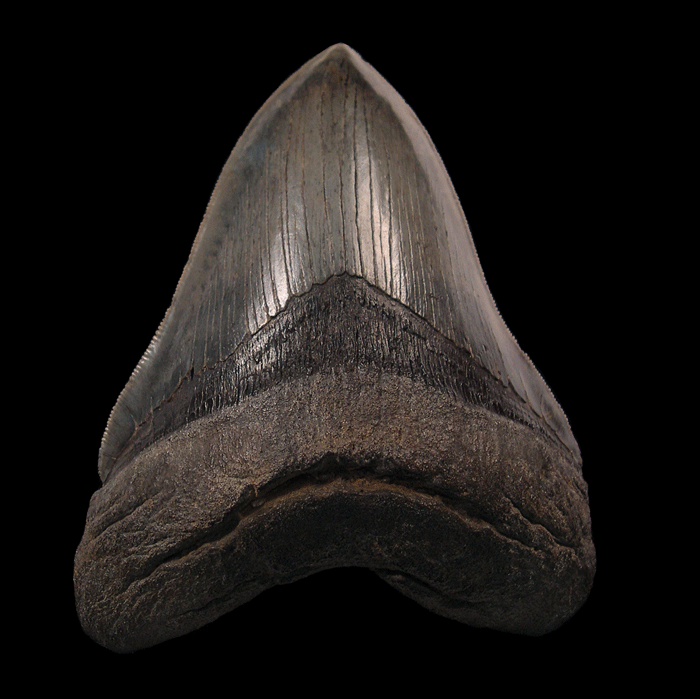
Few discoveries ignite curiosity and awe like holding a genuine dinosaur tooth or fossil shark tooth. These extraordinary remnants reveal stories of Earth’s ancient inhabitants, from towering dinosaurs to massive prehistoric sharks, such as the Megalodon. Yet, with increasing fossil enthusiasm and a market filled with replicas and altered specimens, knowing how to confidently identify authentic fossils is essential.
This guide equips you with our expert knowledge to ensure every dinosaur tooth, such as the Tyrannosaurus Rex tooth you acquire, is an authentic relic of prehistoric times.
The Allure of Authentic Fossil Teeth
Authentic fossil teeth represent more than just collectible items; they are keys to unlocking the biology and behaviors of extinct creatures. Each tooth provides clues about feeding habits, environmental adaptations, and evolutionary history. For instance, the massive, serrated teeth of the Megalodon illustrate the hunting prowess of one of the largest marine predators ever known.
Meanwhile, the streamlined teeth of the Mako shark reflect adaptations for swift and agile predation. Owning such fossils is akin to possessing a tangible piece of Earth’s deep past, an irreplaceable scientific and historical artifact.
Popular Fossil Shark Teeth and Dinosaur Teeth to Look For
When building a fossil collection, certain species’ teeth stand out due to their rarity, size, and significance:
● Megalodon Teeth: These colossal teeth, sometimes exceeding 7 inches, are prized for their impressive size and historical prominence.
● Chubutensis, Angustidens, Auriculatus: Unique shark species that add diversity and intrigue to collections with their varied tooth shapes.
● Cow Shark and Great White Shark Teeth: These fossils offer insights into more recent evolutionary stages within the shark lineage.
● Hemipristis (Snaggletooth): Known for their distinctive serrations and unusual shapes.
● Mako Shark and Otodus Teeth: Sleek, streamlined teeth that illustrate evolutionary progress.
● Paleocarcharodon and Parotodus: Rare specimens that are highly valued by serious collectors.
● Paleozoic Shark Teeth: Some of the earliest shark fossils are valuable for studying ancient marine ecosystems.
Why Authenticity Matters: The Risks of Buying Fake Fossils
The popularity of fossil collecting has, unfortunately, led to an increase in counterfeit fossils. These can be as obvious as plastic replicas or as deceptive as modified authentic fossils enhanced to appear larger or more complete.
Purchasing such specimens not only leads to financial loss but can also skew scientific understanding if these items enter educational or research collections. Authentic fossils always come with verification of their provenance and authenticity, offering buyers confidence in their purchase.
How To Identify Authentic Dinosaur Teeth and Shark Teeth Fossils
Before making any purchase, it’s essential to know exactly what to look for so you can distinguish genuine fossils from imitations.
1. Texture and Color: Authentic fossils undergo mineralization that gives them specific textures and earth-tone colors—typically dark browns, blacks, grays, or reds depending on the fossilization environment. Fake fossils often display unnaturally bright, uniform colors or overly smooth surfaces.
2. Signs of Natural Wear: Genuine fossils commonly show signs of natural wear, such as small chips, cracks, or abrasions caused by geological processes. Teeth that look too perfect, especially large ones, should raise suspicion.
3. Weight and Density: Mineral replacement during fossilization increases density, making authentic fossils feel heavier than modern teeth or artificial replicas.
4. Serrations and Edges: Teeth like those from Megalodon and Hemipristis feature fine serrations along their edges. These serrations in authentic fossils are consistent and subtle, while fake serrations may appear coarse, uneven, or artificially carved.
5. Provenance and Documentation: Trustworthy fossil sellers provide detailed information about where and how a specimen was discovered. Documentation, including geological formation and exact locality, lends credibility and scientific value to the fossil.
Trusted Sources for Authentic Fossil Shark Teeth and Dinosaur Teeth
Sourcing fossils from reputable dealers is the best way to guarantee authenticity. Certified sellers back their specimens with guarantees and often provide educational materials to support your understanding of them.
Among the most sought-after fossils available with such certification are Megalodon, Chubutensis, Angustidens, Auriculatus, Cow shark, Great White shark, Hemipristis (Snaggletooth), Mako shark, Otodus, Paleocarcharodon, Parotodus, and rare Paleozoic shark teeth. Investing through reputable sources ensures you add genuine, scientifically important specimens to your collection.
Caring for Your Fossil Teeth: Preservation Tips
Owning authentic fossils means preserving them responsibly:
● Avoid Excess Moisture: Prolonged exposure to water or humidity can damage fossils, especially if they have porous surfaces.
● Gentle Handling: Although durable, fossils can crack or chip if dropped or handled roughly.
● Use Mild Cleaning: If necessary, clean fossils carefully using a soft brush and water only. Harsh chemicals can erode or discolor fossils.
● Safe Storage: Store fossils in padded boxes or display cases to protect them from dust, sunlight, and accidental damage.
The Unique Connection to Earth’s History
There is a profound sense of connection when holding a real dinosaur tooth or prehistoric shark tooth. These fossils are not just objects; they are storytellers from a world millions of years old, bearing witness to evolutionary milestones, ancient ecosystems, and extinction events.
Each tooth carries the silent imprint of lifeforms that survived harsh climates, massive geological changes, and dramatic shifts in Earth’s biodiversity. Through them, we gain a direct, physical link to creatures that once ruled land and sea, offering a glimpse into the complex web of prehistoric life.
By ensuring your collection is authentic, you preserve these natural legacies for yourself and future generations, contributing to the appreciation and study of Earth’s rich prehistoric heritage. Genuine fossils serve as educational tools and sources of inspiration, reminding us of our planet’s dynamic past and the ongoing story of evolution.
Collecting and caring for authentic fossils means becoming a steward of history, helping to keep these ancient stories alive and accessible for scientists, educators, and enthusiasts alike.
Conclusion
Authentic dinosaur and fossil shark teeth, such as Tyrannosaurus Rex tooth or Megalodon tooth, are among the most captivating and scientifically valuable fossils one can collect. Understanding how to verify authenticity, knowing which species to seek, and purchasing from our trusted sources empowers collectors to build meaningful and legitimate collections.
Yet, with increasing fossil enthusiasm and a market filled with replicas and altered specimens, knowing how to confidently identify authentic fossils is essential. This guide equips you with expert knowledge to ensure every tooth you acquire is a true relic of prehistoric times.
Ready to start or expand your collection with authentic fossils? Browse our authentic fossil shark teeth and embrace the wonder of genuine fossils, and hold history in your hand.






