Long before any human set sail across the oceans, a prehistoric predator swam with unmatched confidence through warm, coastal waters. This was no ordinary shark—it was the megalodon, a creature so large that its jaws could engulf small boats and its teeth could measure longer than a human hand. Its name alone evokes sheer size and quiet ferocity, even though it has been extinct for millions of years.
Interest in the largest specimens continues to grow. One recent discovery turned that interest into worldwide buzz—the unearthing of what is believed to be the biggest megalodon tooth on record.
Let’s transition from curiosity to discovery and explore why this fossil may alter our understanding of one of nature’s most dominant marine creatures.
Chile’s Fossil-Rich Coast: A Treasure in the Desert
It might surprise some to learn that one of the richest sources of marine fossils in the world lies not beneath waves, but within the dry expanse of northern Chile’s Atacama Desert. Once submerged under ancient seas, this region has transformed into a fossil hunter’s dream.
Geological shifts over millions of years raised the seafloor high above sea level, preserving an entire history of marine life in its sedimentary layers. From whale vertebrae to shark teeth, the landscape offers much to those with a sharp eye—and a little luck.
And luck played a crucial role when a fossil enthusiast uncovered a megalodon tooth unlike any other.
The Tooth That Stole the Spotlight
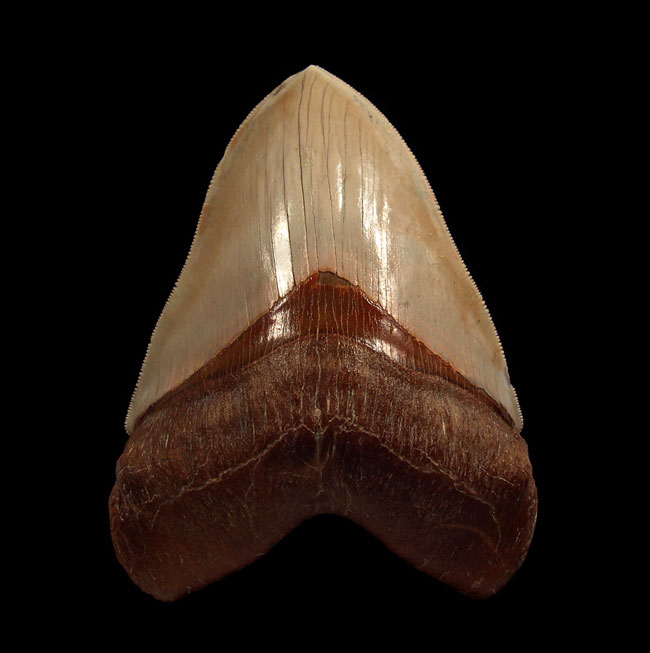
What makes this particular tooth so fascinating? For one, its size. Measuring more than 7 inches in length, the fossil is remarkably well-preserved. Even under close inspection, its sharp edges, intact root, and natural coloration speak to millions of years spent encased in the earth—untouched by erosion or decay.
It’s not every day you find a specimen like this. Larger than most discovered to date, the tooth provides rare insight into how massive the shark might have been. Using the fossil as a measuring tool, scientists estimate that this megalodon could have reached lengths of over 60 feet.
It’s the kind of discovery that doesn’t simply attract attention from collectors—it draws the eyes of researchers around the globe.
Why Size Still Matters in Paleontology
Paleontology isn’t all bones and dust—it’s about scale, biology, and clues. A large tooth means something. It suggests greater feeding demands, a robust skeletal structure, and a dominant place in the food chain.
This particular tooth supports theories about regional size variation among megalodons. Warmer oceans with richer food supplies might have allowed some of them to grow larger than previously thought.
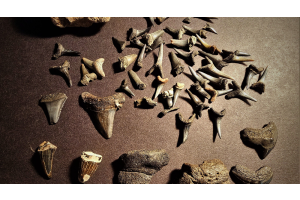
Finding such a large specimen also helps refine our understanding of how megalodons lived and how often they shed their teeth. These sharks produce thousands of teeth in a lifetime, but only a few, like this one, survive the test of time.
From Ancient Waters to Dry Earth
The process of fossilization is as enjoyable as the fossils themselves. The ocean must first bury the remains in sediment quickly enough to protect them from scavengers. Over time, minerals seep into the bone or tooth and gradually replace organic material. This results in a rock-like replica of the original structure—preserved for millions of years.
The Atacama Desert provides ideal conditions for this to occur. The dryness, combined with ancient marine deposits, makes the preservation particularly striking. It’s not just about what’s found—it’s about how well it’s been kept.
This explains why the tooth discovered there is in such pristine condition. It’s as if the earth chose to save this one, waiting for the right time to reveal it.
Chile: An Unexpected Paleontological Star
Chile has quietly become a global hotspot for marine fossil discovery. Its unique geological history and relatively accessible fossil beds attract scientists, students, and private collectors alike.
Although fossil collection here must be approached with care and regulation, discoveries like this reinforce the importance of continuing ethical fossil exploration. The giant megalodon tooth is not only a window into the past, it’s a reminder of how much remains hidden beneath our feet.
From an educational perspective, it also underscores the need for additional preservation efforts in fossil-rich zones that are vulnerable to development or unregulated excavation.
Measuring the Legend
How do researchers confirm whether a megalodon tooth is indeed the largest? Size alone isn’t enough. Paleontologists use measurements, angle analysis, and comparisons with existing data to determine whether a find sets new records.
In the case of the Chilean tooth, it not only matches but exceeds the size of previously recorded specimens. It may not be the longest by every fraction of a millimeter, but its thickness and overall structure put it in the top tier.
Moreover, the fossil provides an opportunity to visualize an animal of nearly mythical proportions, one that dwarfed all modern sharks and dominated its environment with complete authority.
Collectors vs. Researchers: Who Should Own Such Finds?
The discovery of extraordinary fossils often raises a dilemma: should such a find belong in a museum or a private collection?
There’s no easy answer. Collectors often fund expeditions and preserve fossils through careful handling, but museums provide public access and educational value. The largest megalodon tooth toes the line between science and fascination, between academic research and hobbyist pride.
Wherever it ends up, the fossil has already made waves. Its discovery will likely fuel further exploration in Chile and more discussions on how to preserve our prehistoric history.
What This Discovery Means for the Future
Each new fossil find helps scientists build a more complete picture of life on Earth before humans. It adds layers of detail to what would otherwise be a vague outline in history books.
The sheer size of this megalodon tooth reaffirms that Earth once hosted creatures larger than we previously imagined. And it pushes scientists to ask better questions—about climate, extinction, and evolution.
Even after millions of years, a single tooth can change the way we view the natural world.
Conclusion: One Tooth, Endless Fascination
When you think about it, it's remarkable how one fossil can stir such excitement. The biggest megalodon tooth ever found isn’t just a record-breaking specimen—it’s a story etched in stone, waiting to be told. From its ancient origins beneath prehistoric waters to its recent discovery in the dry soils of Chile, it carries with it the mystery and marvel of a world long gone.
For fossil enthusiasts, this serves as a poignant reminder of why the hunt for new discoveries continues. For scientists, it’s a call to keep digging—because somewhere out there, more chapters of Earth's ancient story remain buried.
Ready to Discover Your Piece of Prehistoric History?
Whether you're a lifelong collector or new to the world of fossils, there's something gratifying about connecting with Earth’s ancient past. Explore our curated fossil selections and let a timeless story find a place in your hands.