Search results for: 'golden guid show'
- Did you mean
- golden guid shop
- golden good show
- Related search terms
- showi ca02 cottage good mn
- show cani cottage good mn
- showi ca01 cottage good mn
- showi ca02 cottage good mn/
- show cave cottage good mn
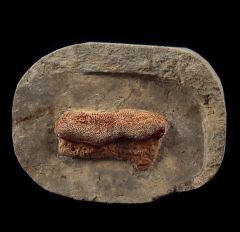
- Unknown species$65.00
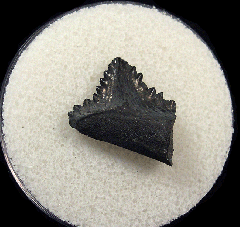
A rare, Top Quality Unknown species tooth from the Paleozoic era in what is now Russia. A nice crusher tooth that was not named in the early 2000s. It could be named today. Someone's reserach project. No repair or restoration. Authenticity guaranteed. A unique collector's tooth!
Age: Lower Permian (284 MYA); Arty Fm.
Location: Krasnoufimsk, Russia
R190 SIZE: 11/16" wide
Adding 65 Russian Paleozoic teeth in July 2021. Link to Russian Paleozoic teeth.
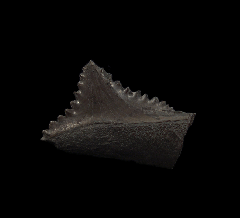
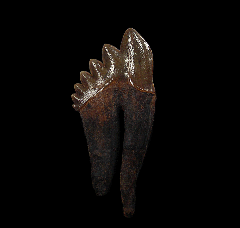
Learn More - Edestus heinrichi$85.00
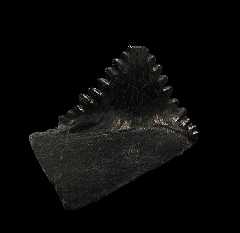
A very rare, Top Quality Edestus heinrichi shark tooth, from Herrin, Illinois. This is a Paleozoic shark that lived in swamps that our now underground coal deposits. Excellent preservation, serrations, and serration detail. The Edestus shark would have an upper and lower tooth whorl that are vertically opposed. Research showed that they could use their opposing teeth in a scissor-like motion to cut prey. It is the first animal to cut vertically. A very strange looking and unique acting shark. Shark recreation image is credited to Julio Lacerdo. These rare teeth are Pennsylvanian age from Illinois. No repair or restoration. Authenticity guaranteed.
I15 SIZE: 1-1/4"
Adding 14 Edestus shark specimens in January 2023. Link to Edestus shark.
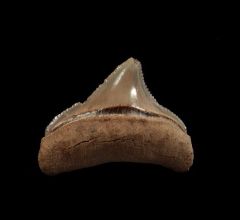
Learn More - Otodus chubutensis$45.00
A TOP QUALITY, Lee Creek Carcharocles chubutensis, a C. megalodon predecessor, from Aurora, No. Carolina. A posterior tooth. This tooth was found in the Pungo River Formation (middle Miocene age). Note the crown exhibits large cusplike bumps at the base of the serrated edge and the root ends also show grooves where the teeth interlocked. These are characteristic traits of the Lee Creek early Meg - C. chubutensis. A gorgeous tan colored crown with an excellent brown bourlette. Great serrations. The root is brown with a small hydration crack. High quality enamel! Great color! No repair or restoration. Authenticity guaranteed.
LC019 Size: 1-5/16" wide
Note - Adding 6 new Lee Creek Chubutensis teeth in January 2022. Link to LC Megaodon teeth.
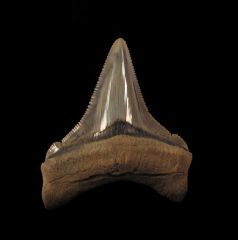
Learn More - Otodus chubutensis$295.00Learn More
A Top Quality, CLASSIC Lee Creek Carcharocles chubutensis, a C. megalodon predecessor, from Aurora, No. Carolina. This tooth was found in the Pungo River Formation (middle Miocene age). Note the crown exhibits large cusplike bumps at the base of the serrated edge and the root ends also show grooves where the teeth interlocked. These are characteristic traits of the Lee Creek early Meg - C. chubutensis. A gorgeous tan colored crown with an excellent brown bourlette and 100% complete. Fantastic serrations and tip serration - 100% complete. The root is tan with typical hydration cracks. Highest quality enamel! Excellent color! No repair or restoration. Authenticity guaranteed.
LC015 Size: 2-11/16"
Note - Adding 14 Lee Creek Megalodon & Chubutensis teeth In June 2021. -> Link to LC Megs & Chubs
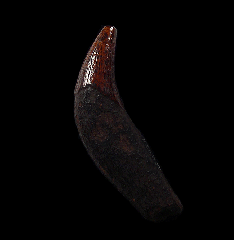
- Basilosaurus cetoides (Archaeocete whale)$475.00
A TOP QUALITY, very rare Basilosaurus cetoides, an Archaeocete whale tooth found in the Suwanee River, Suwanee Co., Florida. An excellent canine or incisor tooth (see photo for tooth positions). An incredible red colored crown and a brown root. Nicely articulated. Note - enamel tip shows a very small wear pattern on crown. Whales do not shed their teeth like the sharks so there teeth will wear with age. An Eocene age tooth (35 MYA). No repair or restoration. A great Archaeocete tooth from the Suwanee River, Florida. A very rare collector's tooth from an old collection.
F1009 SIZE: 2-15/16"
Note - Adding a collection of 27 Basilosaurus teeth from Florida and Georgia in July 2023. Link to Basilosaurus teeth.
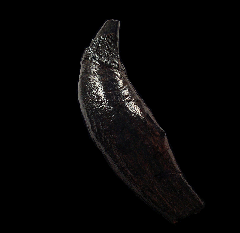
Learn More - Basilosaurus cetoides (Archaeocete whale)$825.00
An EXTRA LARGE TOP QUALITY, very rare Basilosaurus cetoides, an Archaeocete whale tooth found in the Suwanee River, Suwanee Co., Florida. An excellent canine tooth (see photo for tooth positions). An excellent black colored crown and root. Nicely articulated. Note - enamel tip shows a small wear pattern on crown. Whales do not shed their teeth like the sharks so there teeth will wear with age. An Eocene age tooth (35 MYA). No repair or restoration. A great Archaeocete tooth from the Suwanee River, Florida. A very rare collector's tooth from an old collection.
F1002 SIZE: 4-7/8" (1-3/8" wide)
Note - Adding a collection of 27 Basilosaurus teeth from Florida and Georgia in July 2023. Link to Basilosaurus teeth.
Learn More - Basilosaurus cetoides (Archaeocete whale)$1,550.00
A TOP QUALITY, very rare Basilosaurus cetoides, an Archaeocete whale tooth found in the Flint River, Georgia. An exceptional molar tooth (see photo for tooth positions). A July Fossil of the Month. An excellent green colored crown and brown root. Nicely articulated. Incredible preservation! Note - the enamel tip shows absolutely no wear pattern on crown. Whales do not shed their teeth like the sharks so there teeth will wear with age. An Eocene age tooth (35 MYA). No repair or restoration. A fantastic Archaeocete tooth from the Flint River, Georgia. A very rare collector's tooth from an old collection. Perfect tooth!
G1002 SIZE: 2-7/8"
Note - Adding a collection of 27 Basilosaurus teeth from Florida and Georgia in July 2023. Link to Basilosaurus teeth.
Learn More - Edestus heinrichi$47.50
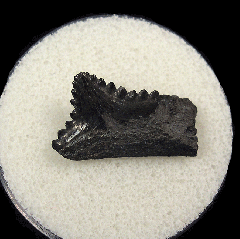
A very rare, Top Quality Edestus heinrichi shark tooth, from Herrin, Illinois. This is a Paleozoic shark that lived in swamps that our now underground coal deposits. Excellent preservation, serrations, and serration detail. The Edestus shark would have an upper and lower tooth whorl that are vertically opposed. Research showed that they could use their opposing teeth in a scissor-like motion or a vertical whipping motion to cut prey. It is the first animal to cut vertically. A very strange looking and unique acting shark. Shark recreation image is credited to Julio Lacerdo. These rare teeth are Pennsylvanian age from Illinois. No repair or restoration. Authenticity guaranteed.
I24 SIZE: 2-5/8" w/ root
Adding 22 Edestus shark specimens in July 2025. Link to Edestus shark.
Learn More - Edestus heinrichi$65.00
A very rare, Top Quality Edestus heinrichi shark tooth, from Herrin, Illinois. This is a Paleozoic shark that lived in swamps that our now underground coal deposits. Excellent preservation, serrations, and serration detail. The Edestus shark would have an upper and lower tooth whorl that are vertically opposed. Research showed that they could use their opposing teeth in a scissor-like motion or a vertical whipping motion to cut prey. It is the first animal to cut vertically. A very strange looking and unique acting shark. Shark recreation image is credited to Julio Lacerdo. These rare teeth are Pennsylvanian age from Illinois. No repair or restoration. Authenticity guaranteed.
I22 SIZE: 1--1/4" crown
Adding 22 Edestus shark specimens in July 2025. Link to Edestus shark.
Learn More - Edestus heinrichi$95.00
A very rare, Top Quality Edestus heinrichi shark tooth, from Herrin, Illinois. This is a Paleozoic shark that lived in swamps that our now underground coal deposits. Excellent preservation, serrations, and serration detail. The Edestus shark would have an upper and lower tooth whorl that are vertically opposed. Research showed that they could use their opposing teeth in a scissor-like motion or a vertical whipping motion to cut prey. It is the first animal to cut vertically. A very strange looking and unique acting shark. Shark recreation image is credited to Julio Lacerdo. These rare teeth are Pennsylvanian age from Illinois. No repair or restoration. Authenticity guaranteed.
I21 SIZE: 3/4" crown
Adding 22 Edestus shark specimens in July 2025. Link to Edestus shark.
Learn More - Edestus heinrichi$125.00
A very rare, Top Quality Edestus heinrichi shark tooth, from Herrin, Illinois. This is a Paleozoic shark that lived in swamps that our now underground coal deposits. Excellent preservation, serrations, and serration detail. The Edestus shark would have an upper and lower tooth whorl that are vertically opposed. Research showed that they could use their opposing teeth in a scissor-like motion or a vertical whipping motion to cut prey. It is the first animal to cut vertically. A very strange looking and unique acting shark. Shark recreation image is credited to Julio Lacerdo. These rare teeth are Pennsylvanian age from Illinois. No repair or restoration. Authenticity guaranteed.
I20 SIZE: 1" crown
Adding 22 Edestus shark specimens in July 2025. Link to Edestus shark.
Learn More - Edestus heinrichi$85.00
A very rare, Top Quality Edestus heinrichi shark tooth, from Herrin, Illinois. This is a Paleozoic shark that lived in swamps that our now underground coal deposits. Excellent preservation, serrations, and serration detail. The Edestus shark would have an upper and lower tooth whorl that are vertically opposed. Research showed that they could use their opposing teeth in a scissor-like motion or a vertical whipping motion to cut prey. It is the first animal to cut vertically. A very strange looking and unique acting shark. Shark recreation image is credited to Julio Lacerdo. These rare teeth are Pennsylvanian age from Illinois. No repair or restoration. Authenticity guaranteed.
I19 SIZE: 1-3/16" crown
Adding 22 Edestus shark specimens in July 2025. Link to Edestus shark.
Learn More