
Ceratopsians / Triceratops
Genuine Ceratopsian and Triceratops Prehistoric Finds
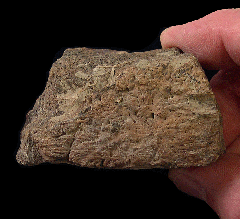
Ceratopsians are the "horn face" herbivore dinosaurs that lived throughout the Cretaceous period. They are characterized by a extraordinarily large skull, large horns over the eyes or nose or both. Ceratopsians were and quadrupeds reaching a length of ~24 feet. The most famous is the Triceratops which is often depicted fighting off a hungry T. rex dinosaur. Fossil remains include well preserved teeth, bones, frill sections, and claws. These top quality specimens were all legally collected from private lands in the northwestern US.Late Cretaceous, Hell Creek Fm. (or equivalent), 68-66 MYA.
Triceratops horridus is the large, three horned dinosaur that lived in the late Cretaceous of North America. Triceratops grew to a length of approximately 30 feet, a height of nearly 10 feet, and a weight of 26,000 lbs. This quadrupedal herbivore had beaked jaws for nipping cycads and palms, and their jaws were filled with rows of large teeth used to grind vegetation. Triceratops had large brow horns that can exceed 3 feet in length and had a large bony frill covering its neck. The large brow horns and their strength may have offered defense from their main predator Tyrannosaurus rex. There are two species of Triceratops found in the Hell Creek formation, Triceratops horridus was the more common species. Both Triceratops horridus and Triceratops prosus would have similar teeth, claws and bones.
*** New *** Leptoceratops was a genus from the family Leptoceratopsidae, an extinct family of neoceratopsian dinosaurs from Asia, North America and Europe. This is a rather rare species. It was smaller and had very small horns, and lived in the late Cretaceous with Triceratops and is found in the Hell Creek and Lance Creek Fm.
Today, we find Triceratops fossils otrother Ceratopsian teeth, unguals (claws), horns, and non-associated bones in the Hell Creek Formation. Authentiicity guaranteed.
Functional Anatomy of the Ceratopsian Frill
Solid bone frills distinguished horned ceratopsians from all other Late Cretaceous herbivores. Unlike related species with hollow frill openings, Triceratops possessed a thick, solid shield extending across the neck. Anchored muscle attachments along the margins powered powerful jaw bites to shear tough palm fronds. Fine blood vessel grooves covering the bone surface suggest these frills regulated body heat while serving as bold visual displays.
Dental Batteries and Beak Shears
Horned dinosaurs relied on double-rooted teeth stacked in deep jaw columns. As upper rows wore down, replacement crowns moved forward to maintain continuous cutting edges. While many collectors seek authentic shark teeth for their sharp points, ceratopsian teeth feature flat, angled chewing facets designed for grinding silica-heavy foliage.
Add to cart these prehistoric shield pieces to your collection today.
Frequently Asked Questions
What function did the solid bone frill serve on a Triceratops skull?
The solid frill anchored neck muscles while defending vulnerable throat joints against predators. Vascular channels along the outer surface indicate it also helped release excess heat during warm weather.
How do double-rooted Triceratops teeth differ from carnivorous dinosaur teeth?
Carnivore teeth feature single roots meant for slicing meat, whereas ceratopsian teeth developed double roots that anchored deeply into jaw sockets. This split structure sustained immense grinding forces from crushing woody stems.
Why do fossil collectors value epoccipital bones from the frill edge?
Epoccipital bones formed decorative spikes or rounded studs along the outer frill rim. Finding these isolated border elements offers collectors a compact, budget-friendly piece of recognizable horned dinosaur anatomy.
How did the brow horns of a young Triceratops change as the animal grew?
Juvenile horns curved backward toward the shoulders during early life stages. As mature muscles developed, the horn cores shifted forward over the snout to provide leverage during head-butting territory displays.
What causes the deep grooves visible on the surface of fossilized horn cores?
Living horn cores were wrapped in tough keratin sheaths nourished by extensive network capillaries. When the outer sheath rotted after death, those intricate blood vessel pathways remained permanently etched into the fossilized bone.

- Triceratops$0.00
An EXTRA LARGE Top Quality, rooted Triceratops horridus tooth from the late Cretaceous of western North America. Maxillary (upper jaw) tooth. A September Fossil of the Month. Triceratops is a large ceratopsian dinosaur found in the Hell Creek formation. The enamel is high quality with fantastic color and patina. Incredible preservation - no wear. The chewing surface measures 1-3/8”. This tooth has no tip wear. No cracks. No restoration. Legally collected on private land in the Hell Creek Fm., Dawson Co., Montana. Note - this tooth comes with a Riker frame display. Authenticity guaranteed. A rare rooted Triceratops tooth! The Best of the BEST!
DC04 BoP SIZE: 2-1/16"
Note - Adding 22 new Triceratops teeth in September 2023. Link to Triceratops fossils catalog
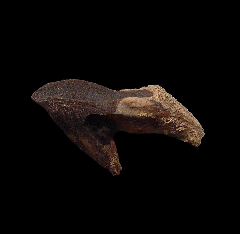
Learn More - Triceratops Epijugal - Jugal Spike$0.00
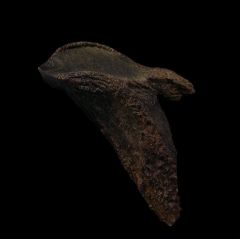
A Top Quality, rare Triceratops horridus epijugal (jugal spike) from the late Cretaceous of northern North America. Triceratops was a large ceratopsian dinosaur found in the Hell Creek and Lance Creek formations which is know for the large frill protecting its neck. Triceratops had a spike on its cheek which is called the jugal "spike" (see photo). This jugal spike has exceptional detail preserved and great color / patina. Excellent surface blood grooves are preserved. No repair or restoration. 100% natural specimen. Legally collected on private land in Bowman, No. Dakota. Authenticity guaranteed. You rarely see these jugal spikes and this one is good one.
DC62 SIZE: 3-5/8" Wide x 1-5/8" Height
Note - Adding 8 new Triceratops bones in October 2023. Link to Triceratops fossils catalog
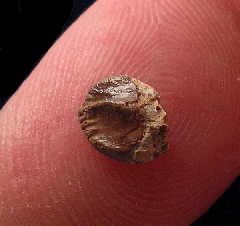
Learn More - Brachyceratops tooth$0.00
A rare, Top Quality Brachyceratops montanensis juvenile tooth from the late Cretaceous (Campanian - Two Medicine Fm.) in northern North America. Brachyceratops is a smaller Campanian ceratopsian currently only kown from juvenile remains. This tooth measures 5/16" - an excellent juvenile Brachyceratops tooth. The enamel is high quality with excellent color. No crack, repair or restoration. Legally collected on private land in the Two Medicine Fm., Teton Co., Montana. Authenticity guaranteed. An excellent rare collector's tooth.
DY70 SIZE: 5/16"
Note - Adding one Brachyceratops montanensis tooth in May 2024. Link to Ceratopsian teeth catalog.
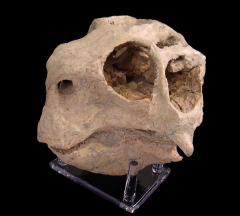
Learn More - Psittacosaurus skull$0.00
A rare Top Quality Psittacosaurus skull from the late Cretaceous of northern China. An October Fossil of the Month. Psittacosaurus is a genus of extinct ceratopsian dinosaur from the Early Cretaceous of what is now Asia, existing between 125 and 105 million years ago. This is a great skull with excellent detail preserved and good color & patina. There is a small amount of crack fill. Albian age (120 MYA) .Legally collected Nei Mongol Zizhiqu, China. Authenticity guaranteed. This skull comes with a display stand as imaged. Note - This skull iweighs ~2 lbs . An international shipping supplement will apply. Dinosaur skulls are extemely rare to find.
PSIT1 SIZE: 4-1/2" long x 5" width x 3-7/8" Height (Height on stand = 4-7/8")
Learn More - Triceratops Frill Section$0.00
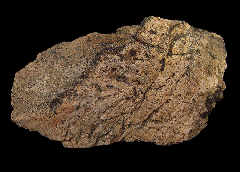
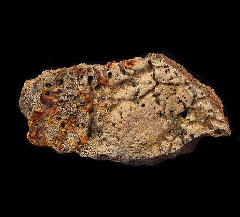
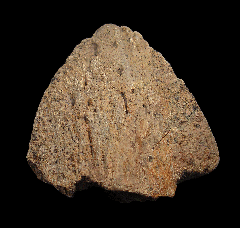
A Top Quality, Triceratops horridus frill section from the late Cretaceous of northern North America. Triceratops was a large ceratopsian dinosaur found in the Hell Creek formation which is known for three horns and the large frill protecting its neck. This is a great frill section with excellent detail preserved. You can see all of the natural blood grooves across the surface of the frill. No repair or restoration. 100% natural specimen. Legally collected on private land in Carter Co., Montana. Authenticity guaranteed. Note - this specimen weighs 1.5 lbs. A supplemental shipping charge will apply for international orders.
DC42 SIZE: 6" Wide x 3" High x 2" Thick
Note - Adding 14 new Triceratops bones in November 2024. Link to Triceratops fossils catalog
Learn More - Triceratops Horn$0.00
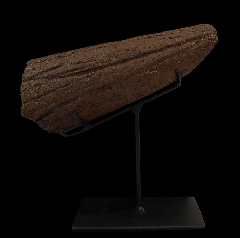
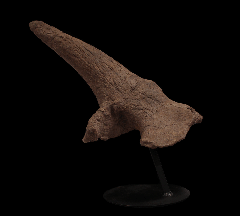
A Top Quality, Triceratops horridus brow horn section from the late Cretaceous of northern North America. A November Fossil of the Month. Triceratops was a large ceratopsian dinosaur found in the Hell Creek Formation. This is a special horn with exceptional detail preserved with excellent color and natural patina. Incredible surface articulation. You can see all of the natural blood grooves around the surface of the horn. The preparation of the horn was very basic with one crack repair. No extensive repair or restoration. It comes with the custom steel stand as shown. A fantastic fossil overall for display. Legally collected on private land in the Hell Creek Fm., Dewey Co., So. Dakota. Authenticity guaranteed. Certification of Authentication provided. Museum quality specimen. A fantastic Triceratops brow horn display. You don't see these top quality horns very often. This one is much better quality than the typical brow horn section and a great display size! Note - International buyers will incur shipping cost. Weighs 5.2 pounds with stand. Have you been waiting for a special Triceratops horn display? This is a fantastic Triceratops horn display.
DC51 SIZE: 8-1/2"length ; End: 3-1/2" wide ; (8-3/4" height on stand)
Note - Adding 14 new Triceratops bones in November 2024. Link to Triceratops fossils catalog
Learn More - Triceratops Frill Section$0.00
A Top Quality, Triceratops horridus frill section from the late Cretaceous of northern North America. Triceratops was a large ceratopsian dinosaur found in the Hell Creek and Lance Creek formations which is know for three horns and the large frill protecting its neck. This is a great frill section with excellent detail preserved. You can see all of the natural blood grooves across the surface of the frill. No repair or restoration. 100% natural specimen. Legally collected on private land in Garfield Co., Montana. Authenticity guaranteed.
DC50 SIZE: 3-1/4" Wide x 1-5/8" High x 1-1/4" Thick
Note - Adding 19 new Triceratops bones in May 2023. Link to Triceratops fossils catalog
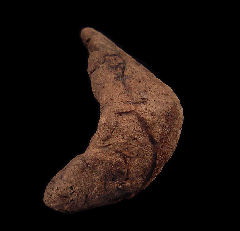
Learn More - Triceratops Epoccipital$0.00
A rare, Top Quality Triceratops horridus epoccipital (frill ornament) from the late Cretaceous of northern North America. Triceratops was a large ceratopsian dinosaur found in the Hell Creek and Lance Creek formations which is know for three horns and a large frill protecting its neck. This epoccipital has excellent detail preserved and great color / patina. The epoccipitals were triangular bone ornaments that lined the top of the frill. The young Triceratops had narrow and tall epoccipitals, older juvenile Triceratops had low and wide epoccipitals, and adult Triceratops no longer had this ornament. You can see this epoccipital is narrow which are characteristics of a young Triceratops. Complete specimen. No repair or restoration. 100% natural specimen. Legally collected on private land in Garfield Co., Montana. Authenticity guaranteed.
DC65 SIZE: 1-3/8" Wide x 15/16" Height
Note - Adding 19 new Triceratops bones in May 2023. Link to Triceratops fossils catalog
Learn More - Triceratops Horn$0.00
A Top Quality, Triceratops horridus brow horn from the late Cretaceous of northern North America. A May Fossil of the Month. Triceratops was a large ceratopsian dinosaur found in the Hell Creek Formation. This is a special horn with exceptional detail preserved and excellent color & natural patina. Fantastic surface articualtion. You can see all of the natural blood grooves around the surface of the horn. Plus this horn includes most of the orbital which is quite rare - a very complete specimen. The preparation of the horn was fairly basic and simple - some minor crack fill and approximately 1" of the tip end was restored which is very minimal restoration for a horn. This is not a horn that is 20 - 30% or more putty which you most often see. It comes with a custom steel stand as shown. A fantastic fossil overall for display. Legally collected on private land in the Hell Creek Fm., Butte Co., So. Dakota . Authenticity guaranteed. Certification of Authentication provided. Museum quality. A fantastic Triceratops brow horn display. You don't see these top quality horns very often. This one is much better quality than the typical brow horn! A great display size. Note - International buyers will incur some shipping cost.
DC51 BoP SIZE: 22" (straight line) ; (18.5" height on stand)
Note - Adding 19 new Triceratops fossils in May 2023. Link to Triceratops fossils catalog
Learn More - Triceratops$0.00
A rare, Top Quality Triceratops horridus rooted tooth from the late Cretaceous of northern North America. Another July 2018 Fossil of the Month. Triceratops is a large ceratopsian dinosaur found in the Hell Creek formation. The enamel is excellent quality with excellent color / patina. Extra large root which is quite rare. Incredible preservation of the crown and root that shows their intricate detail. The chewing surface measures 1-1/14” with a very high ridge. This is a recently erupted tooth that has slight tip wear. No cracks or restoration. A rare rooted, extra large Triceratops tooth! Legally collected on private land in the Hell Creek Fm., Carter Co., Montana. An excellent collector's quality Triceratops tooth. Note - tooth comes with a Riker type frame. Authenticity guaranteed. My largest and best triceratops tooth!
DC01 BoP SIZE: 2-1/4"
Note - Adding new Triceratops fossils in July 2018. Link to Triceratops fossils catalog
Learn More - Arrhinoceratops Epoccipital - Canada$0.00
A very rare, Top Quality Arrhinoceratops brachypos epoccipital (frill ornament) from the late Cretaceous of northern North America. Arrhinoceratops was a large ceratopsian dinosaur found in the Horseshoe Canyon formation which has three horns and a large frill protecting its neck. This epoccipital has excellent detail preserved and great color / patina. The epoccipitals were triangular bone ornaments that lined the top of the frill. This epoccipital exhibits incredible detail and is very thick. Complete specimen with minor crack fill. No repair or restoration. Legally collected on private land in Alberta, Canada. Authenticity guaranteed. Disposition number 000028-0000029.
DC67c SIZE: 3-1/8" Height x 2-1/2" Wide x 1-1/4" Thick
Note - Adding 17 Canadian bones & teeth in April 2025. Link to Canadian Dinosaur fossils catalog
Learn More - Anchiceratops Epoccipital - Canada$0.00
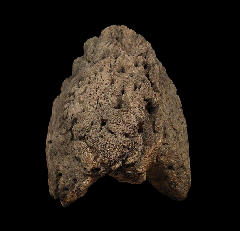
An EXTRA LARGE, rare, Top Quality Anchiceratops ornatus epoccipital (frill ornament) from the late Cretaceous of northern North America. An April Fossil of the Month. Anchiceratops was a large ceratopsian dinosaur found in the Horseshoe Canyon formation which has three horns and a large frill protecting its neck. This epoccipital has excellent detail preserved and great color / patina. The epoccipitals were triangular bone ornaments that lined the top of the frill. This epoccipital exhibits incredible detailnand is very thick & heavy. Near complete specimen with minor crack fill. No repair or restoration. Legally collected on private land in Alberta, Canada. Authenticity guaranteed. Disposition number 000028-0000029.
DC63c SIZE: 4" Height x 4" Wide x 1-7/8" Thick
Note - Adding 17 Canadian bones & teeth in April 2025. Link to Canadian Dinosaur fossils catalog
Learn More