Search results for: 'liops paleob few planus first good'
- Related search terms
- goods terrestri a none
- good terrestri a none
- good terrestri a none/
- good terrestri a none//
- goods terrestri a none//
-
-
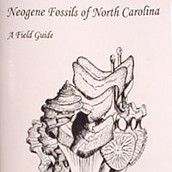
- Neogene Fossils of North Carolina By Chandler & Timmerman$20.00
My recommendation for the collector's first reference guide to identify their Miocene - Pliocene age collection pieces. A must for the Lee Creek fossil collector - shark teeth and other fossils.
BB08 Size: 5-1/2" x 8-1/2"
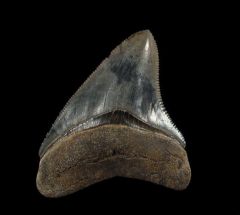
Learn More - Otodus megalodon$0.00
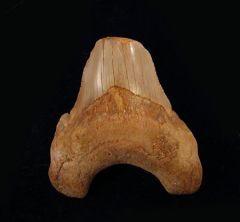
A HIGH QUALITY Bone Valley Megalodon upper jaw tooth from Golden Beach, Florida. An EXCELLENT Blue & Tan colored crown. Good color! High quality enamel. The bourlette is a brown color and 100% complete. The serrations are large & sharp with a big tip serration. Excellent serrations. The root is a golden color and complete with few hydration cracks. An excellent Miocene Megalodon tooth. 100% natural. NO repair or restoration! A nice collector's Megalodon tooth from Golden Beach. Authenticity guaranteed.
F020 Size: 2-1/4"
Learn More -
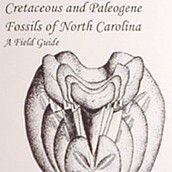
- Cretaceous and Paleogene Fossils of North Carolina By John Timmerman and Richard Chandler$20.00
The North Carolina Fossil Club provides an excellent guide to the Cretaceous - Eocene - Paleocene - Oligocene shark teeth from North Carolina. My recommendation for the collector's first reference guide to identify their Cretaceous - Paleocene - Eocene collection pieces.
BB09 Size: 5-1/2" x 8-1/2"
Learn More - Shark Vertebrae$95.00
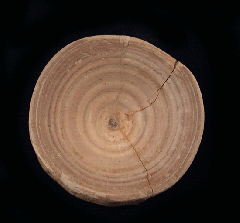
An EXTRA LARGE, rare shark vertebra. Very good preservation and color.
ST952 SIZE: 1-7/8"
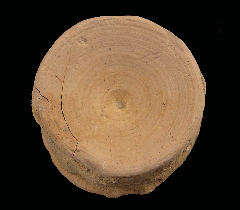
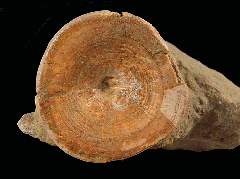
Learn More - Shark Vertebrae$125.00
An EXTRA LARGE, rare shark vertebra. The vertebra remains in the original Round Mountain silt matrix - an excellent display piece. Very good preservation and color
ST953 SIZE: 1-3/4"
Learn More - Carcharocles auriculatus$45.00
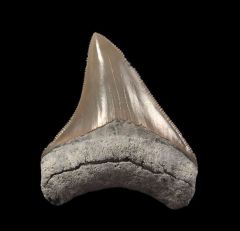
A LARGE Auriculatus tooth. Anterior tooth. Enamel quality is good with an extra large bourlette. Serrations are sharp. The tip area was broke during feeding and is worn smooth. This shark was eating some tough whales as well. A massive root. Typical commercial grade tooth.
M063 SIZE: 2-5/8"
Learn More - Carcharocles auriculatus$0.00
A MASSIVE Auriculatus tooth. Anterior tooth. Enamel quality is quite good with an extra large bourlette. Serrations are very sharp. The tip area was broke during feeding and is worn smooth. This shark was eating some tough whales. The root is massive (>1-1/4" thick). Typical commercial grade tooth.
M060 SIZE: 3"
Learn More - Otodus megalodon$175.00
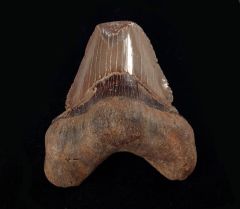
A High Quality, Classic Lee Creek Megalodon tooth - upper jaw anterior tooth. This Megalodon has an incredible tan colored crown with an excellent brown bourlette. Highest quality enamel. Exceptional color! The serrations are razor sharp with an excellent tip serration. Good serrations - razor sharp! The root is an excellent light tan color with few hydration cracks and absolutely complete. This Megalodon was found in the Pungo River Formation, Lee Creek mine, Aurora, No. Carolina (Miocene age = 14.5 MYA). An excellent tooth from the old days at Lee Creek mine! No repair or restoration. Authenticity guaranteed. A killer Lee Creek Meg tooth!
LC011 Size: 2-9/16"
Note - Adding 11 new Lee Creek Meg & Chub teeth in Jan. 2019 -> Link to LC Megs & Chubs
Learn More - Otodus mugodzharicus (Partial serrated)$0.00
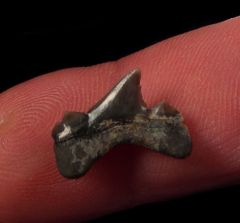
A very rare, early Otodus mugodzharicus upper jaw, posterior tooth from Aktulagay, western Kazakhstan. A transitional tooth leading to C. auriculatus (see detailed discussion below) which leads to Megalodon. The bourlette is complete. Tooth exhibits very fine serrations along the inner curve of the crown only. These teeth exhibit very good color, gloss, and preservation. A rare, early Eocene Auriculatus transition tooth. A very challenging tooth to find when building a Megalodon evolutionary set! No repair. Authenticity guaranteed. Note - This western Kazakhstan site is one of the few places in the world where the Otodus to Auriculatus transition can be found in adjacent layers.
K555 SIZE: 5/8"
Note - Adding 18 Kazakh Auriculatus or transition teeth in April 2020. --> Link to Kazakh Auriculatus teeth.
Learn More