Search results for: 'megalodon teeth sand//'
- Did you mean
- megalodon teeth sa02
- megalodon teeth sa01
- Related search terms
- teeth frame mississippian period///Megalodon tooth fossil from the Mississippian period that is less than 2 inches in length
- teeth frame mississippian period///Megalodon tooth fossil from the Mississippian period that is less than 2 inches in length//
- megalodon+teeth+whale+age+10+inches+and+site+dalla////
- megalodon+teeth+whale+age+10+inches+and+site+dollar'///
- megalodon+teeth+whale+age+10+inches+and+site+dallas/////
- Carcharomodus escheri$125.00
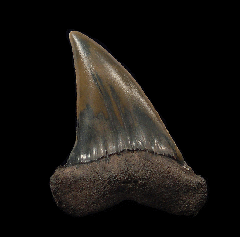
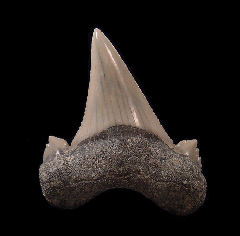
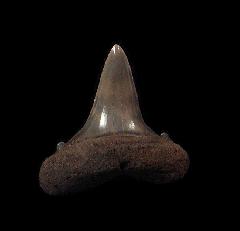
A rare High Quality Carcharomodus escheri, a "serrated Mako" shark tooth - lower jaw anterior tooth from the "De Kuilen" sand pit, Mill, The Netherlands. The Carcharomodus escheri was named as a new genus in 2015 based upon a crenulated cutting edge ("wavy serrations"), slender & duistally inclined crown, and side cusplets. This tooth has good color and preservation. Sharp cutting edge. Two side cusplets. The age is late Miocene (approx. 6-8 million years ago). An excellent rare collector's tooth. Authenticity guaranteed. A difficult tooth to source.
N011 SIZE: 1-1/4"
Note - Adding 17 Netherlands Carcharomodus escheri teeth in July 2023. Link to Netherlands Escheri teeth
Learn More - Carcharomodus escheri$295.00
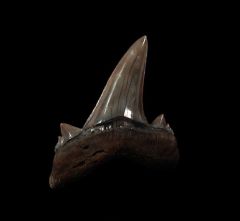
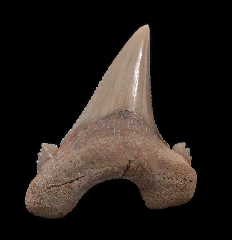
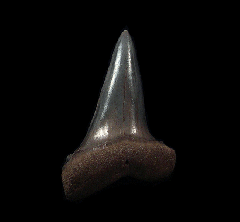
A LARGE, rare Top Quality Carcharomodus escheri, a "serrated Mako" shark tooth - upper jaw anterior tooth from the "De Kuilen" sand pit, Mill, The Netherlands. The Carcharomodus escheri was named as a new genus in 2015 based upon a crenulated cutting edge ("wavy serrations"), slender & distally inclined crown, and side cusplets. This tooth has excellent color and preservation. Sharp cutting edge. Two side cusplets. The age is late Miocene (approx. 6-8 million years ago). An excellent rare collector's tooth. Authenticity guaranteed. A difficult tooth to source.
N002 SIZE: 2"
Note - Adding 17 Netherlands Carcharomodus escheri teeth in July 2023. Link to Netherlands Escheri teeth
Learn More - Otodus mugodzharicus (Partial serrated)$0.00
A very rare, early Otodus mugodzharicus upper jaw, lateral tooth from Aktulagay, western Kazakhstan. A transitional tooth leading to C. auriculatus (see detailed discussion below) which leads to Megalodon. A November Fossil of the Month.The bourlette is complete. Tooth exhibits "wavy serrated" edges similar to the Isurus escheri tooth. These teeth exhibit very good color, gloss, and preservation. A rare, early Eocene Auriculatus transition tooth. A very challenging tooth to find when building a Megalodon evolutionary set! No repair. Authenticity guaranteed. This western Kazakhstan site is one of the few places in the world where the Otodus to Auriculatus transition can be found in adjacent layers. Note - This is my last offering of Aktluagay teeth.
K552 SIZE: 1-9/16"
Note - Adding 19 Kazakh Auriuclatus or transition teeth in November 2021. --> Link to Kazakh Auriculatus teeth.
Learn More - Otodus aksuaticus (Partial serrated)$450.00
A very rare, early Otodus aksuaticus upper jaw, lateral tooth from Kzil-Orda, Kazakhstan. A transitional tooth leading to O. auriculatus (see detailed discussion below) which leads to Megalodon. A July Fossil of the Month. The bourlette is complete. This tooth exhibits small serrations along the lower 1/3 of the crown and micro serrations to the tip. These teeth exhibit excellent color, gloss, and preservation. A rare, early (Ypresian) Eocene Auriculatus transition tooth. A very challenging tooth to find when building a Megalodon evolutionary set! No repair or restoration. Authenticity guaranteed. This western Kazakhstan site is one of the few places in the world where the Otodus obliquus to Otodus auriculatus transition can be found in adjacent geologic layers.
K547 SIZE: 1-15/16"
Note - Adding 24 Kazakh Auriuclatus or transition teeth in July 2024. --> Link to Kazakh Auriculatus teeth.
Learn More - Otodus aksuaticus (Partial serrated)$425.00
A very rare, early Otodus aksuaticus lateral tooth from Kzil-Orda, Kazakhstan. A transitional tooth leading to O. auriculatus (see detailed discussion below) which leads to Megalodon. A July Fossil of the Month.The bourlette is complete. This tooth exhibits small serrations along the lower 1/2 of the crown and micro serrations to the tip. These teeth exhibit excellent color, gloss, and preservation. A rare, early (Ypresian) Eocene Auriculatus transition tooth. A very challenging tooth to find when building a Megalodon evolutionary set! No repair or restoration. Authenticity guaranteed. This western Kazakhstan site is one of the few places in the world where the Otodus obliquus to Otodus auriculatus transition can be found in adjacent geologic layers.
K544 SIZE: 1-3/4"
Note - Adding 24 Kazakh Auriuclatus or transition teeth in July 2024. --> Link to Kazakh Auriculatus teeth.
Learn More - Otodus aksuaticus (Partial serrated)$550.00
A very rare, early Otodus aksuaticus lateral tooth from Kzil-Orda, Kazakhstan. A transitional tooth leading to O. auriculatus (see detailed discussion below) which leads to Megalodon. A July Fossil of the Month. The bourlette is complete. This tooth exhibits small serrations along the lower 1/2 of the crown and micro serrations to the tip. These teeth exhibit excellent color, gloss, and preservation. A rare, early (Ypresian) Eocene Auriculatus transition tooth. A very challenging tooth to find when building a Megalodon evolutionary set! No repair or restoration. Authenticity guaranteed. This western Kazakhstan site is one of the few places in the world where the Otodus obliquus to Otodus auriculatus transition can be found in adjacent geologic layers.
K542 SIZE: 2-1/8"
Note - Adding 24 Kazakh Auriuclatus or transition teeth in July 2024. --> Link to Kazakh Auriculatus teeth.
Learn More - Otodus aksuaticus (Partial serrated)$525.00
A very rare, early Otodus aksuaticus anterior tooth from Kzil-Orda, Kazakhstan. A transitional tooth leading to O. auriculatus (see detailed discussion below) which leads to Megalodon. A July Fossil of the Month. The bourlette is complete. This tooth exhibits small serrations along the lower 1/2 of the crown and micro serrations to the tip. These teeth exhibit excellent color, gloss, and preservation. A rare, early (Ypresian) Eocene Auriculatus transition tooth. A very challenging tooth to find when building a Megalodon evolutionary set! No repair or restoration. Authenticity guaranteed. This western Kazakhstan site is one of the few places in the world where the Otodus obliquus to Otodus auriculatus transition can be found in adjacent geologic layers.
K542 SIZE: 2-3/16"
Note - Adding 24 Kazakh Auriuclatus or transition teeth in July 2024. --> Link to Kazakh Auriculatus teeth.
Learn More - Carcharomodus escheri$150.00
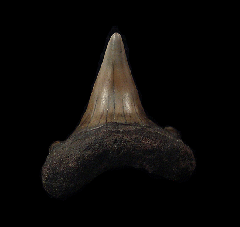
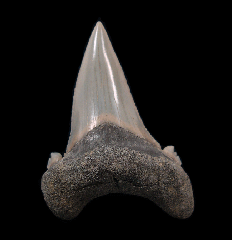
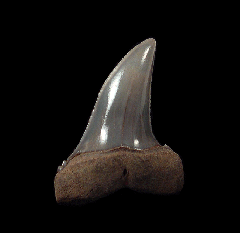
A rare Top Quality Carcharomodus escheri, a "serrated Mako" shark tooth - upper jaw anterior tooth from the "De Kuilen" sand pit, Mill, The Netherlands. The Carcharomodus escheri was named as a new genus in 2015 based upon a crenulated cutting edge ("wavy serrations"), slender & distally inclined crown, and side cusplets. This is a "Blue" layer tooth which are know for the highest preservation and best color - rarely seen outside of Europe. This tooth has excellent color and preservation. Sharp cutting edge. The age is late Miocene (approx. 6-8 million years ago). An excellent rare collector's tooth. Authenticity guaranteed. A difficult tooth to source.
N015 SIZE: 1-1/16"
Note - Adding 17 Netherlands Carcharomodus escheri teeth in July 2023. Link to Netherlands Escheri teeth
Learn More - Carcharomodus escheri$175.00
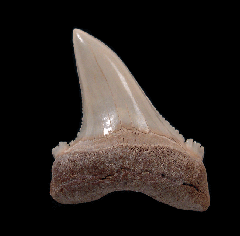
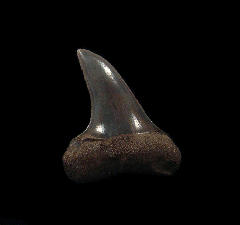
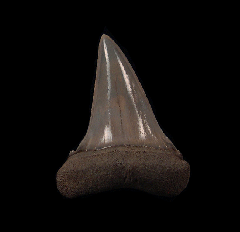
A rare Top Quality Carcharomodus escheri, a "serrated Mako" shark tooth - lower jaw anterior tooth from the "De Kuilen" sand pit, Mill, The Netherlands. The Carcharomodus escheri was named as a new genus in 2015 based upon a crenulated cutting edge ("wavy serrations"), slender & distally inclined crown, and side cusplets. This is a "Blue" layer tooth which are know for the highest preservation and best color - rarely seen outside of Europe. This tooth has excellent color and preservation. Sharp cutting edge. Two side cusplets. The age is late Miocene (approx. 6-8 million years ago). An excellent rare collector's tooth. Authenticity guaranteed. A difficult tooth to source.
N014 SIZE: 1"
Note - Adding 17 Netherlands Carcharomodus escheri teeth in July 2023. Link to Netherlands Escheri teeth
Learn More - Carcharomodus escheri$195.00
A rare Top Quality Carcharomodus escheri, a "serrated Mako" shark tooth - lower jaw anterior tooth from the "De Kuilen" sand pit, Mill, The Netherlands. The Carcharomodus escheri was named as a new genus in 2015 based upon a crenulated cutting edge ("wavy serrations"), slender & distally inclined crown, and side cusplets. This is a "Blue" layer tooth which are know for the highest preservation and best color - rarely seen outside of Europe. This tooth has excellent color and preservation. Sharp cutting edge. Two side cusplets. The age is late Miocene (approx. 6-8 million years ago). An excellent rare collector's tooth. Authenticity guaranteed. A difficult tooth to source.
N013 SIZE: 1-1/4"
Note - Adding 17 Netherlands Carcharomodus escheri teeth in July 2023. Link to Netherlands Escheri teeth
Learn More - Carcharomodus escheri$195.00
A rare Top Quality Carcharomodus escheri, a "serrated Mako" shark tooth - upper jaw anterior tooth from the "De Kuilen" sand pit, Mill, The Netherlands. The Carcharomodus escheri was named as a new genus in 2015 based upon a crenulated cutting edge ("wavy serrations"), slender & distally inclined crown, and side cusplets. This is a "Blue" layer tooth which are know for the highest preservation and best color - rarely seen outside of Europe. This tooth has excellent color and preservation. Sharp cutting edge. Two side cusplets. The age is late Miocene (approx. 6-8 million years ago). An excellent rare collector's tooth. Authenticity guaranteed. A difficult tooth to source.
N012 SIZE: 1-1/4"
Note - Adding 17 Netherlands Carcharomodus escheri teeth in July 2023. Link to Netherlands Escheri teeth
Learn More - Carcharomodus escheri$225.00
A rare Top Quality Carcharomodus escheri, a "serrated Mako" shark tooth - upper jaw anterior tooth from the "De Kuilen" sand pit, Mill, The Netherlands. The Carcharomodus escheri was named as a new genus in 2015 based upon a crenulated cutting edge ("wavy serrations"), slender & distally inclined crown, and side cusplets. This is a "Blue" layer tooth which are know for the highest preservation and best color - rarely seen outside of Europe. This tooth has excellent color and preservation. Sharp cutting edge. Two side cusplets. The age is late Miocene (approx. 6-8 million years ago). An excellent rare collector's tooth. Authenticity guaranteed. A difficult tooth to source.
N010 SIZE: 1-3/8"
Note - Adding 17 Netherlands Carcharomodus escheri teeth in July 2023. Link to Netherlands Escheri teeth
Learn More