Search results for: 'line bartkowski none sloth'
- Did you mean
- like bartkowski novu sloth
- liop bartkowski novu sloth
- Related search terms
- none me of new postag by enabl lamna nasus
- none and good gem shows
- none and good gem sh02
- none and good gem sh01
- none and good gem show
- Edestus heinrichi$85.00
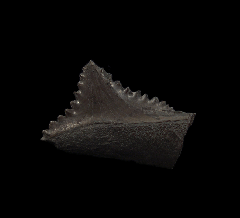
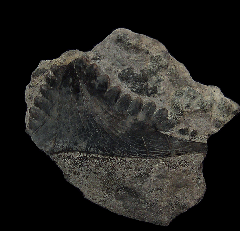
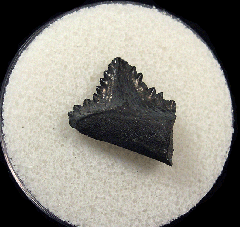
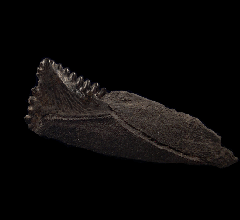
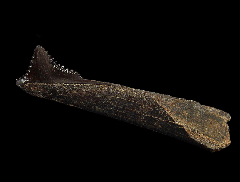
A very rare, Top Quality Edestus heinrichi shark tooth, from Herrin, Illinois. This is a Paleozoic shark that lived in swamps that our now underground coal deposits. Excellent preservation, serrations, and serration detail. The Edestus shark would have an upper and lower tooth whorl that are vertically opposed. Research showed that they could use their opposing teeth in a scissor-like motion to cut prey. It is the first animal to cut vertically. A very strange looking and unique acting shark. Shark recreation image is credited to Julio Lacerdo. These rare teeth are Pennsylvanian age from Illinois. No repair or restoration. Authenticity guaranteed.
I15 SIZE: 1-1/4"
Adding 14 Edestus shark specimens in January 2023. Link to Edestus shark.
Learn More - Edestus minor$75.00
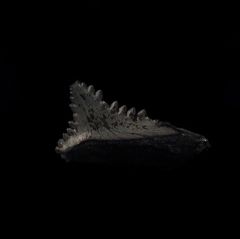
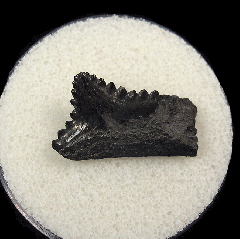
A very rare Edestus heinrichi shark tooth, from Herrin, Illinois. This is a Paleozoic shark that lived in swamps that our now underground coal deposits. Very good preservation with excellent serrations. The Edestus shark would have an upper and lower tooth whorl that are vertically opposed. Research showed that they could use their opposing teeth in a scissor-like motion to cut prey. It is the first animal to cut vertically. A very strange looking and unique acting shark. Shark recreation image is credited to Julio Lacerdo. These rare teeth are Pennsylvanian age from Illinois. No repair or restoration. Authenticity guaranteed.
I014 SIZE: 7/8"
Adding 15 Edestus shark specimens in April 2021. Link to Edestus shark.
Learn More - Edestus heinrichi$47.50
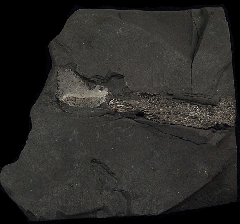
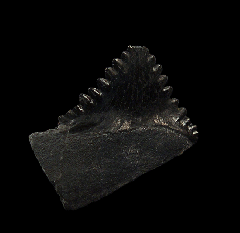
A very rare, Top Quality Edestus heinrichi shark tooth, from Herrin, Illinois. This is a Paleozoic shark that lived in swamps that our now underground coal deposits. Excellent preservation, serrations, and serration detail. The Edestus shark would have an upper and lower tooth whorl that are vertically opposed. Research showed that they could use their opposing teeth in a scissor-like motion or a vertical whipping motion to cut prey. It is the first animal to cut vertically. A very strange looking and unique acting shark. Shark recreation image is credited to Julio Lacerdo. These rare teeth are Pennsylvanian age from Illinois. No repair or restoration. Authenticity guaranteed.
I24 SIZE: 2-5/8" w/ root
Adding 22 Edestus shark specimens in July 2025. Link to Edestus shark.
Learn More - Edestus heinrichi$70.00
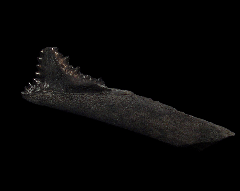
A very rare, Top Quality Edestus heinrichi shark tooth, from Herrin, Illinois. This is a Paleozoic shark that lived in swamps that our now underground coal deposits. Excellent preservation, serrations, and serration detail. The Edestus shark would have an upper and lower tooth whorl that are vertically opposed. Research showed that they could use their opposing teeth in a scissor-like motion or a vertical whipping motion to cut prey. It is the first animal to cut vertically. A very strange looking and unique acting shark. Shark recreation image is credited to Julio Lacerdo. These rare teeth are Pennsylvanian age from Illinois. No repair or restoration. Authenticity guaranteed.
I23 SIZE: 1-7/8" w/ root (7/8" crown)
Adding 22 Edestus shark specimens in July 2025. Link to Edestus shark.
Learn More - Edestus heinrichi$65.00
A very rare, Top Quality Edestus heinrichi shark tooth, from Herrin, Illinois. This is a Paleozoic shark that lived in swamps that our now underground coal deposits. Excellent preservation, serrations, and serration detail. The Edestus shark would have an upper and lower tooth whorl that are vertically opposed. Research showed that they could use their opposing teeth in a scissor-like motion or a vertical whipping motion to cut prey. It is the first animal to cut vertically. A very strange looking and unique acting shark. Shark recreation image is credited to Julio Lacerdo. These rare teeth are Pennsylvanian age from Illinois. No repair or restoration. Authenticity guaranteed.
I22 SIZE: 1--1/4" crown
Adding 22 Edestus shark specimens in July 2025. Link to Edestus shark.
Learn More - Edestus heinrichi$95.00
A very rare, Top Quality Edestus heinrichi shark tooth, from Herrin, Illinois. This is a Paleozoic shark that lived in swamps that our now underground coal deposits. Excellent preservation, serrations, and serration detail. The Edestus shark would have an upper and lower tooth whorl that are vertically opposed. Research showed that they could use their opposing teeth in a scissor-like motion or a vertical whipping motion to cut prey. It is the first animal to cut vertically. A very strange looking and unique acting shark. Shark recreation image is credited to Julio Lacerdo. These rare teeth are Pennsylvanian age from Illinois. No repair or restoration. Authenticity guaranteed.
I21 SIZE: 3/4" crown
Adding 22 Edestus shark specimens in July 2025. Link to Edestus shark.
Learn More - Edestus heinrichi$125.00
A very rare, Top Quality Edestus heinrichi shark tooth, from Herrin, Illinois. This is a Paleozoic shark that lived in swamps that our now underground coal deposits. Excellent preservation, serrations, and serration detail. The Edestus shark would have an upper and lower tooth whorl that are vertically opposed. Research showed that they could use their opposing teeth in a scissor-like motion or a vertical whipping motion to cut prey. It is the first animal to cut vertically. A very strange looking and unique acting shark. Shark recreation image is credited to Julio Lacerdo. These rare teeth are Pennsylvanian age from Illinois. No repair or restoration. Authenticity guaranteed.
I20 SIZE: 1" crown
Adding 22 Edestus shark specimens in July 2025. Link to Edestus shark.
Learn More - Edestus heinrichi$85.00
A very rare, Top Quality Edestus heinrichi shark tooth, from Herrin, Illinois. This is a Paleozoic shark that lived in swamps that our now underground coal deposits. Excellent preservation, serrations, and serration detail. The Edestus shark would have an upper and lower tooth whorl that are vertically opposed. Research showed that they could use their opposing teeth in a scissor-like motion or a vertical whipping motion to cut prey. It is the first animal to cut vertically. A very strange looking and unique acting shark. Shark recreation image is credited to Julio Lacerdo. These rare teeth are Pennsylvanian age from Illinois. No repair or restoration. Authenticity guaranteed.
I19 SIZE: 1-3/16" crown
Adding 22 Edestus shark specimens in July 2025. Link to Edestus shark.
Learn More - Edestus heinrichi$145.00
A very rare, Top Quality Edestus heinrichi shark tooth, from Herrin, Illinois. This is a Paleozoic shark that lived in swamps that our now underground coal deposits. Excellent preservation, serrations, and serration detail. The Edestus shark would have an upper and lower tooth whorl that are vertically opposed. Research showed that they could use their opposing teeth in a scissor-like motion or a vertical whipping motion to cut prey. It is the first animal to cut vertically. A very strange looking and unique acting shark. Shark recreation image is credited to Julio Lacerdo. These rare teeth are Pennsylvanian age from Illinois. No repair or restoration. Authenticity guaranteed.
I18 SIZE: 2-1/2" w/ root (1-1/4"crown)
Adding 22 Edestus shark teeth in July 2025. Link to Edestus shark.
Learn More - Edestus heinrichi$195.00
A very rare, Top Quality Edestus heinrichi shark tooth, from Herrin, Illinois. This is a Paleozoic shark that lived in swamps that our now underground coal deposits. An incredible brown colored specimen - very unusual. Excellent preservation, serrations, and serration detail. The Edestus shark would have an upper and lower tooth whorl that are vertically opposed. Research showed that they could use their opposing teeth in a scissor-like motion or a vertical whipping motion to cut prey. It is the first animal to cut vertically. A very strange looking and unique acting shark. Shark recreation image is credited to Julio Lacerdo. These rare teeth are Pennsylvanian age from Illinois. No repair or restoration. Authenticity guaranteed.
I10 SIZE: 3-1/2" w/ root (1-5/8" crown)
Adding 22 Edestus shark teeth in July 2025. Link to Edestus shark.
Learn More - Pappocetus lugardi (Ancient whale)$1,350.00
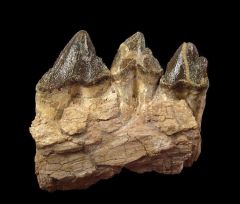
An Ultra Rare, Extra Large Pappocetus lugardi (Andrews, 1920) jaw section with 3 complete molars from Morocco. Pappocetus was in the Protocetidae family of ancient whales. Note – the molars demonstrate how massive Pappocetus teeth compared to the later primitive whales! The root thickness doubles on one side and the crown gains depth as well. This material is a new find and represents one of the earliest transition forms of the whale. Pappocetus is a protocetid (see discussion below) and a large amphibious aquatic carnivore. Pappocetus is also an ancestor of the Basilosaurus.. This material is complete and without repair. Crack fill only on some pieces. This is an opportunity to own an incredibly rare specimen from an early evolutionary stage of the modern whale. A fantastic collector's specimen. Authenticity guaranteed.
M2103 Size: 3-3/4" (W - straight line) (3-1/2" height)
Mid. Eocene (Bartonian) age (40 MYA)
Gueran, (25 km SE of Boujdour), Boujdour Basin
West Sahara, Morocco
Learn More - Pappocetus lugardi (Early whale)$0.00
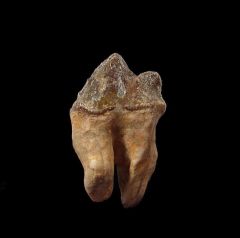
An Ultra Rare, Extra Large Pappocetus lugardi (Andrews, 1920) molar tooth from Morocco. Note - molar tooth design is one of the distinguishing features for indentifying this species.The molars demonstrate how massive Pappocetus teeth compared to the later primitive whales! The root thickness doubles on one side and the crown gains depth as well. This material is a new find and represents one of the earliest transition forms of the whale. Pappocetus is a protocetid (see discussion below) and a large amphibious aquatic carnivore. Pappocetus is also an ancestor of the Basilosaurus. This material is complete and without repair. Crack fill only on some pieces. This is an opportunity to own an incredibly rare specimen from an early evolutionary stage of the modern whale. A fantastic collector's specimen. Authenticity guaranteed.
M2106 Size: 2-1/2" (straight line) (1-3/8" Width at base of crown)
Mid. Eocene (Bartonian) age (40 MYA)
Gueran, (25 km SE of Boujdour), Boujdour Basin
West Sahara, Morocco
Learn More