Search results for: 'will a good 19 magwell fit a show 92'
- Related search terms
- goods terrestri a none
- good terrestri a none
- good terrestri a none/
- goods terrestri a none/
- good terrestri a none//
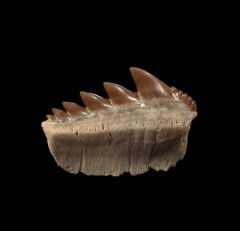
- Notorynchus kempi$115.00
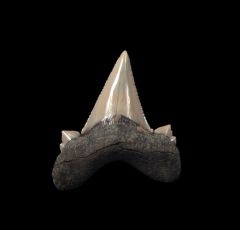
An ultra rare Top Quality, lower jaw Notorynchus kempi, Seven-gill Cow shark, tooth from Kent, Kazakhstan. This tooth has six primary cusps. An Eocene (Bartonian) Cow shark species. Kazakh N. kempi teeth are quite rare and excellent examples are hard to locate. No repair or restoration. Authenticity guaranteed. A near Perfect tooth. One of the finest localities for Eocene age shark teeth!
K422 SIZE: 1"
Note - Adding 30 Kazakh Notorhynchus teeth in April 2022. Kazakhstan Notorhynchus Catalog
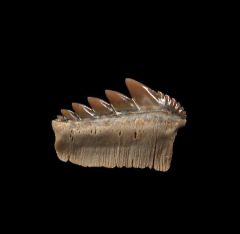
Learn More - Notorynchus kempi$145.00
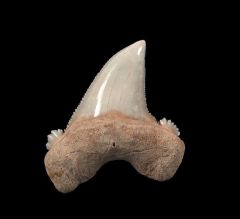
An ultra rare Top Quality, lower jaw Notorynchus kempi, Seven-gill Cow shark, tooth from Kent, Kazakhstan. This tooth has six primary cusps. An Eocene (Bartonian) Cow shark species. Kazakh N. kempi teeth are quite rare and excellent examples are hard to locate. No repair or restoration. Authenticity guaranteed. A Perfect tooth. One of the finest localities for Eocene age shark teeth!
K421 SIZE: 1"
Note - Adding 30 Kazakh Notorhynchus teeth in April 2022. Kazakhstan Notorhynchus Catalog
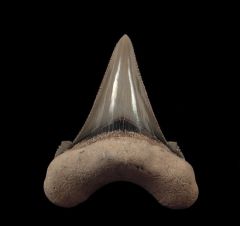
Learn More - Carcharocles auriculatus - So. Carolina$0.00
A GEM Harleyville Auriculatus tooth. A less common lower jaw anterior tooth - a very difficult position tooth to find. Gorgeous gray colored crown with a black colored bourlette, and light gray root. Highest quality enamel! Exceptionally colored & preserved. The serrations are large and razor sharp with an excellent tip serration. The root is complete and very well preserved. It is very hard to find these teeth in perfect condition. Museum quality. A killer collector's Harleyville Auriculatus tooth!
SC409 SIZE: 2-1/2"
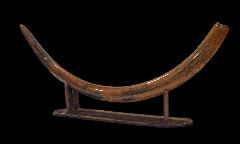
Learn More - Woolly Mammoth Tusk$0.00
A fantastic, top quality, Mammuthus primigenius, Woolly Mammoth tusk from Siberia. An August 2019 Fossil of the Month. This tusk is a manageable size at 39” straight line measurement (45" on the curve). It is a tusk of a sub-adult mammoth which lived in the late Pleistocene Ice Age some 28,000 plus years ago. This is a complete tusk with rich colors of natural browns, blues, and charcoal grays which has been properly dried and sealed. The enamel shows exceptional detail. Both ends are completely intact and complete. No repair or restoration. No worries about stability of this tusk.The tusk makes a wonderful display for home or office and comes with the knotty pine stands shown. This is your opportunity to own a natural Mammoth fossil ivory tusk from the Ice Age. Authenticity guaranteed.
R619 Size: 45” (on curve) ; 3" Diameter ; 13lbs - fossil weight
Note - Free shipping in US. Discounted shipping international.
Learn More - Edestus heinrichi$0.00
An ultra rare, Top Quality EXTRA LARGE Edestus heinrichi shark whorl section with 4 big crowns, from Sparta, Illinois. An August Fossil of the Month. This is a Paleozoic shark that lived in swamps that our now underground coal deposits. Excellent preservation and serrations. Note - extra long root whorl section with 4 extra large crowns - very rare. The Edestus shark would have an upper and lower tooth whorl that are vertically opposed. Research showed that they could use their opposing teeth in a scissor-like motion to cut prey. It is the first animal to cut vertically. A very strange looking and unique acting shark. Shark recreation image is credited to Julio Lacerdo. These rare teeth are Pennsylvanian age from Illinois. No repair or restoration. Authenticity guaranteed. Four crown whorl sections are extremely rare!
I01 BoP SIZE: 2" teeth (Whorl 6")
Adding 15 Edestus shark specimens in August 2020. Link to Edestus shark.
Learn More - Edestus heinrichi$0.00
An ultra rare, Top Quality EXTRA LARGE Edestus heinrichi shark whorl section with 3 big crowns, from Herrin, Illinois. An April Fossil of the Month. This is a Paleozoic shark that lived in swamps that our now underground coal deposits. Excellent preservation and serrations. Note - extra long root whorl section with 3 extra large crowns - very rare. The Edestus shark would have an upper and lower tooth whorl that are vertically opposed. Research showed that they could use their opposing teeth in a scissor-like motion to cut prey. It is the first animal to cut vertically. A very strange looking and unique acting shark. Shark recreation image is credited to Julio Lacerdo. These rare teeth are Pennsylvanian age from Illinois. Note - Two crown tips were professionally retored. Authenticity guaranteed. Three crown whorl sections are rare!
I01 BoP2 SIZE: 1-3/4" teeth (Whorl 7-1/4")
Adding 15 Edestus shark specimens in April 2021. Link to Edestus shark.
Learn More - Edestus heinrichi$195.00
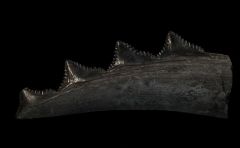
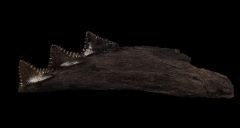
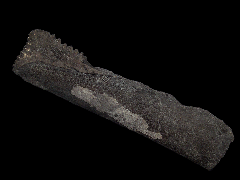
A very rare, Top Quality Edestus heinrichi shark tooth, from Herrin, Illinois. This is a Paleozoic shark that lived in swamps that our now underground coal deposits. An excellent matrix specimen that inludes the opposing tooth mold as well. Excellent preservation, serrations, and serration detail. The Edestus shark would have an upper and lower tooth whorl that are vertically opposed. Research showed that they could use their opposing teeth in a scissor-like motion or a vertical whipping motion to cut prey. It is the first animal to cut vertically. A very strange looking and unique acting shark. Shark recreation image is credited to Julio Lacerdo. These rare teeth are Pennsylvanian age from Illinois. No repair or restoration. Authenticity guaranteed. Note - shipping weight is 1.9 lbs. International "free shipping" will require supplemental postage.
I11 SIZE: 3" w/ root (1-1/2" crown) ; Matrix block is 3.5" x 3.5"
Adding 22 Edestus shark teeth in July 2025. Link to Edestus shark.
Learn More - Edestus heinrichi$175.00
A very rare, LARGE, Top Quality Edestus heinrichi shark tooth, from Herrin, Illinois. This is a Paleozoic shark that lived in swamps that our now underground coal deposits. Note - this tooth has a lot of pyrite and the tip is naturally rounded (polished) which thought to be due to the vertical whipping motion used to slice prey. Excellent preservation, serrations, and serration detail. The Edestus shark would have an upper and lower tooth whorl that are vertically opposed. Research showed that they could use their opposing teeth in a scissor-like motion or a vertical whipping motion to cut prey. It is the first animal to cut vertically. A very strange looking and unique acting shark. Shark recreation image is credited to Julio Lacerdo. These rare teeth are Pennsylvanian age from Illinois. No repair or restoration. Authenticity guaranteed.
I09 SIZE: 4-1/8" w/ root (1-7/8" crown)
Adding 22 Edestus shark teeth in July 2025. Link to Edestus shark.
Learn More - Carcharocles megalodon$0.00
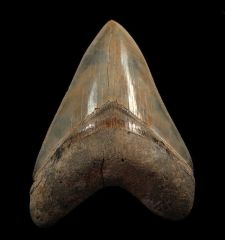
A rare, TOP QUALITY Megalodon tooth - upper jaw ANTERIOR tooth from Calvert Cliffs, Maryland. One of our January 2018 Fossils of the Month. An exceptional tan and blue crown with a large brown bourlette - great eye appeal. High quality enamel - the surface is like glass! The serrations are razor sharp and essentially complete with a good tip serration - rare for a big Meg! The root has essentially no hydration cracks and is complete - exceptional. A Top Quality Meg tooth, and a rare, large collector's tooth from Calvert Cliffs! You don't see many Calvert Cliffs Megalodon teeth exceeding 4" - a rare find!
MD01 Size: 4-9/16"
Learn More - Otodus mugodzharicus (Partial serrated)$0.00
A very rare, early Otodus mugodzharicus upper jaw, lateral tooth from western Kazakhstan. A transition tooth leading to C. auriculatus (see detailed discussion below). The bourlette is large and complete. Exhibits very fine serrations along the lower 2/3 of the crown and weakly serrated side cusps with very irregular serrations. These teeth exhibit very good color, gloss, and preservation. A rare, early Eocene Auriculatus transition tooth. A very challenging tooth to find when building a Megalodon evolutionary set! No repair. Authenticity guaranteed.
K552 BoP SIZE: 1-1/2"
Note - Adding 16 Kazakh Auriuclatus or transition teeth in December 2018. --> Link to Kazakh Auriculatus teeth.
Learn More - Otodus aksuaticus (Partial serrated)$0.00
An ultra rare, early Otodus aksuaticus upper jaw, lateral tooth from western Kazakhstan. A transition tooth leading to C. auriculatus (see detailed discussion below). A May 2019 Fossil for the Month. The bourlette is large and complete. Exhibits small serrations along the lower 2/3 of the crown and weakly serrated side cusps with very irregular serrations. These teeth exhibit very good color, gloss, and preservation. A rare, early Eocene Auriculatus transition tooth. A very challenging tooth to find when building a Megalodon evolutionary set! No repair. Authenticity guaranteed.
K541 BoP SIZE: 2-1/16"
Note - Adding 13 Kazakh Auriuclatus or transition teeth in May 2019. --> Link to Kazakh Auriculatus teeth.
Learn More - Otodus megalodon$0.00
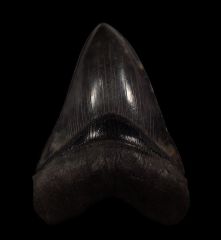
An EXTRA LARGE, TOP QUALITY Megalodon tooth - an upper jaw anterior tooth from So. Carolina. A February Fossil fo the Month. An excellent BLACK colored crown. Top quality enamel with no peel. The black bourlette is extra large and 90% complete. Sharp serrations are sharp and near complete with a good tip serration. The root is black colored, extra wide, nicely articulated and complete with small hydration cracks. No repair or restoration. Authenticity guaranteed. A special Top Quality BIG BLACK Megalodon tooth. Museum Quality tooth.
SC003 BoP Size: 5-7/8" (4-1/4" W)
Note - Adding 10 new So. Carolina Megs in February 2020 -> Link to SC Megalodon teeth
Learn More