

Rare Shark Teeth Species
RARE SHARK TEETH SPECIES FOR COLLECTORS
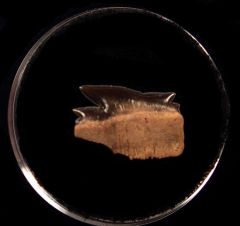
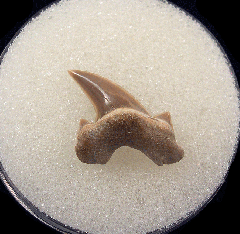
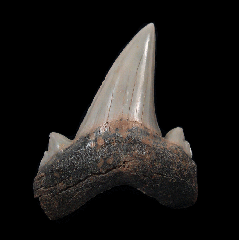
Buried Treasure Fossils offers a nice selection of rare fossil shark teeth for sale. These rare shark species include Parotodus (False Mako shark), Giant Thresher shark teeth, serrated Thresher shark teeth, Somnisus (Greenland shark), etc. These teeth are rare fossil shark teeth are seldom seen for sale! Authenticity guaranteed.
Why Collect Rare Shark Teeth Species
For collectors, rare shark teeth species offer a fascinating way to explore ancient marine ecosystems through distinctive fossil forms. Unusual tooth shapes and locality information add depth to a collection beyond appearance alone. Comparing specimens from different sharks also reveals how feeding adaptations changed through prehistoric seas.
Buried Treasure Fossils brings these prehistoric discoveries together for collectors seeking unusual additions with genuine scientific and display interest.
What to Look for When Buying Rare Shark Teeth
When examining rare shark tooth species, look closely at enamel preservation, root condition, completeness, and any visible restoration. Locality and formation information add valuable geological context, especially for specimens intended for serious collections. Buyers should also consider preparation quality and request clear details about repairs or restoration. Choosing authentic shark teeth with reliable specimen information gives collectors greater confidence in what they are adding to their collection.
Get in touch with Buried Treasure Fossils and explore the collection for your next prehistoric find.

- Carcharomodus escheri$235.00
A rare Top Quality Carcharomodus escheri, a "serrated Mako" shark tooth - upper jaw anterior tooth from the "De Kuilen" sand pit, Mill, The Netherlands. The Carcharomodus escheri was named as a new genus in 2015 based upon a crenulated cutting edge ("wavy serrations"), slender & distally inclined crown, and side cusplets. This tooth has excellent color and preservation. Sharp cutting edge. The age is late Miocene (approx. 6-8 million years ago). An excellent rare collector's tooth. Authenticity guaranteed. A difficult tooth to source.
N006 SIZE: 1-11/16"
Note - Adding 17 Netherlands Carcharomodus escheri teeth in July 2023. Link to Netherlands Escheri teeth
Learn More - Echinorhinus blakei$225.00
A LARGE, Top Quality very rare Echinorhinus blakei, Bramble shark, tooth from Pyramid Hill, California. An extremely difficult shark tooth to find. Perfect cusps. This is an early Miocene tooth from the Jewitt Sand Formation. An excellect quality collector's tooth! No repair or restoration. Authenticity guaranteed. A gem jar display is included.
ST222 SIZE: 1/2"
Learn More - Megamouth shark (Megachasma)$225.00
A RARE, Top Quality Megachasma tooth, the Megamouth shark, from the Bahia Iglesa Fm., Chile. The Megamouth shark is a very rare and exotic fossil shark tooth since it is rarely found in the fossil record. Megachasma teeth are one of the scarce and well preserved fossils that are unique to the Caldera Basin site in Chile! The best size and quality tooth available. Late Miocene age. An exceptional and rare collector's tooth! Authenticity guaranteed.
C553 Size: 3/4" (Base 1/2" x 5/8")
Note - Adding 8 new Chilean Megachasma teeth in May 2021 -> Link to Megachasma teeth
Learn More - Carcharomodus escheri$225.00
A rare Top Quality Carcharomodus escheri, a "serrated Mako" shark tooth - upper jaw anterior tooth from the "De Kuilen" sand pit, Mill, The Netherlands. The Carcharomodus escheri was named as a new genus in 2015 based upon a crenulated cutting edge ("wavy serrations"), slender & distally inclined crown, and side cusplets. This tooth has good color and preservation. Sharp cutting edge. The age is late Miocene (approx. 6-8 million years ago). An excellent rare collector's tooth. Authenticity guaranteed. A difficult tooth to source.
N110 SIZE: 1-13/16"
Note - Adding 17 Netherlands Carcharomodus escheri teeth in July 2023. Link to Netherlands Escheri teeth
Learn More - Carcharomodus escheri$225.00
A rare Top Quality Carcharomodus escheri, a "serrated Mako" shark tooth - upper jaw anterior tooth from the "De Kuilen" sand pit, Mill, The Netherlands. The Carcharomodus escheri was named as a new genus in 2015 based upon a crenulated cutting edge ("wavy serrations"), slender & distally inclined crown, and side cusplets. This is a "Blue" layer tooth which are know for the highest preservation and best color - rarely seen outside of Europe. This tooth has excellent color and preservation. Sharp cutting edge. Two side cusplets. The age is late Miocene (approx. 6-8 million years ago). An excellent rare collector's tooth. Authenticity guaranteed. A difficult tooth to source.
N010 SIZE: 1-3/8"
Note - Adding 17 Netherlands Carcharomodus escheri teeth in July 2023. Link to Netherlands Escheri teeth
Learn More - Hexanchus andersoni$225.00
A Top Quality, rare Hexanchus andersoni tooth from Sharktooth Hill area, near Bakersfield, California. This lower jaw tooth remains on its original Round Mountain silt matrix. Excellent tan color. Eight primary cusps. One of the most difficult Hexanchus teeth to find! Authenticity guaranteed.
ST607 SIZE: 1-3/16"
Note - Adding 9 Hexanchus andersoni teeth in October 2023. Link to Hexanchus andersoni teeth.
Learn More - Hexanchus andersoni$225.00
A Top Quality, rare Hexanchus andersoni tooth from Sharktooth Hill area, near Bakersfield, California. A lower jaw tooth with 7 primary cusps. Note - there is a crack in the root - difficult to see. Excellent blue color. One of the most difficult Hexanchus teeth to find! Authenticity guaranteed.
ST603 SIZE: 1-1/8"
Note - Adding 9 Hexanchus andersoni teeth in October 2023. Link to Hexanchus andersoni teeth.
Learn More - Alopias grandis (So. Carolina)$225.00
An EXTRA LARGE rare, Top Quality Alopias grandis shark tooth, the extinct Giant Thresher, from So. Carolina. Excellent black color. Very good preservation and condition. An Oligocene age tooth. No repair or restoration. These teeth are not commonly found and seen. A rare collectors' tooth in top quality condition. Authenticity guaranteed. My largest Alopias grandis tooth!
SC831 SIZE: 1-13/16"
Posting 21 Giant Thresher shark teeth in June 2024. Link to Thresher sharks.
Learn More - Megamouth shark (Megachasma)$225.00
A RARE, Top Quality Megachasma tooth, the Megamouth shark, from the Bahia Iglesa Fm., Chile. The Megamouth shark is a very rare and exotic fossil shark tooth since it is rarely found in the fossil record. Megachasma teeth are one of the scarce and well preserved fossils that are unique to the Caldera Basin site in Chile! Late Miocene age. No repair or restoration. An excellent and rare collector's tooth! Authenticity guaranteed.
C557 Size: 5/8" (Base 1/2" x 3/8")
Note - Adding 8 new Chilean Megachasma teeth in April 2026 -> Link to Megachasma teeth
Learn More - Edestus heinrichi$225.00
A very rare, LARGE, Top Quality Edestus heinrichi shark tooth, from Herrin, Illinois. This is a Paleozoic shark that lived in swamps that our now underground coal deposits. Excellent crown enamel. Excellent preservation, serrations, and serration detail. The Edestus shark would have an upper and lower tooth whorl that are vertically opposed. Research showed that they could use their opposing teeth in a scissor-like motion or a vertical whipping motion to cut prey. It is the first animal to cut vertically. A very strange looking and unique acting shark. Shark recreation image is credited to Julio Lacerdo. These rare teeth are Pennsylvanian age from Illinois. No repair or restoration. Authenticity guaranteed.
I08 SIZE: 3-1/8" w/ root (1-3/8" crown)
Adding 22 Edestus shark teeth in July 2025. Link to Edestus shark.
Learn More - Parotodus mangyshlakensis$225.00
A rare, Top Quality Parotodus mangyshlakensis tooth from Tushbair, Kazakhstan. A July Fossil of the Month. Lateral position. Excellent color and condition. An incredible Eocene (Bartonian) age tooth from the Shorym Formation. No repair or restoration. Authenticity guaranteed. One of the finest localities for Eocene age shark teeth! You will enjoy the quality of the Kazakh teeth. An ultra rare tooth with the tip intact. Nearly all of the examples for this species have a worn or broken tip. A special tooth!
K922 SIZE: 15/16"
Note - Posting 10 Parotodus teeth in August 2024. Link to Kazakh Parotodus teeth.
Learn More - Otodus obliquus (not serrated)$200.00
A very rare, early Otodus obliquus anterior tooth from Kzil-Orda Region, Kazakhstan. Otodus obliquus is the ancestor to O. auriculatus (see detailed discussion below) which leads to Megalodon. The bourlette is large and complete. Exhibits no serrations. The starting species to serrated Otodus teeth. These teeth exhibit very good color, gloss, and preservation. A rare, early Eocene (Ypresian) Auriculatus transition tooth. A very challenging tooth to find when building a Megalodon evolutionary set! No repair. Authenticity guaranteed. Note - This western Kazakhstan site is one of the few places in the world where the Otodus obliquus to Otodus auriculatus transition can be found in adjacent early Eocene formation units.
K561 SIZE: 1-1/4"
Note - Adding 24 Kazakh Auriculatus or transition teeth in July 2024. --> Link to Kazakh Auriculatus teeth.
Learn More



Frequently Asked Questions
Does tooth size determine rarity?
Not necessarily. A large tooth may attract attention, yet size alone does not establish rarity. The shark species, geological occurrence, and preservation history often provide more meaningful context when assessing a specimen.
What should I look for in photos when buying a fossil shark tooth?
Inspect the photographs closely for the overall condition of the specimen and the amount of natural detail that remains visible. Look at the enamel surface and edges for signs of wear or restoration. High-quality images from several angles give you a clearer understanding of the tooth's shape and proportions. Pay attention to close-up views as well, since small details may not be noticeable in a standard product image.
How important are measurements when buying fossil shark teeth?
Measurements give you a practical sense of the specimen's actual size before it arrives. Product photographs can make a tooth appear larger or smaller depending on the camera angle, so checking the stated dimensions provides a more reliable reference.