Search results for: 'how to eagl international transition in hair book application'
- Related search terms
- how to enable international transaction in habib book application
- how to enabled international transaction in habib book application
- book site vs none damag good preview
- book scute vs none damag good preview
- book scute vs none damag good preview/
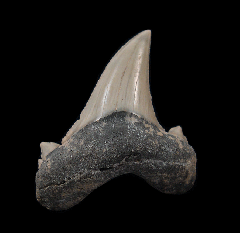
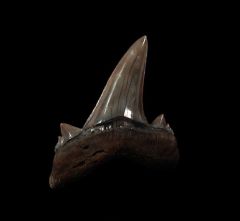
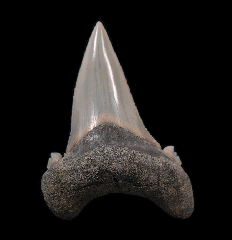
- Otodus aksuaticus (Partial serrated)$425.00
A very rare, early Otodus aksuaticus lateral tooth from Kzil-Orda, Kazakhstan. A transitional tooth leading to O. auriculatus (see detailed discussion below) which leads to Megalodon. The bourlette is complete. This tooth exhibits small serrations along the lower 1/3 of the crown and micro serrations to the tip. These teeth exhibit excellent color, gloss, and preservation. A rare, early (Ypresian) Eocene Auriculatus transition tooth. A very challenging tooth to find when building a Megalodon evolutionary set! No repair or restoration. Authenticity guaranteed. This western Kazakhstan site is one of the few places in the world where the Otodus obliquus to Otodus auriculatus transition can be found in adjacent geologic layers.
K543 SIZE: 1-7/8"
Note - Adding 24 Kazakh Auriuclatus or transition teeth in July 2024. --> Link to Kazakh Auriculatus teeth.
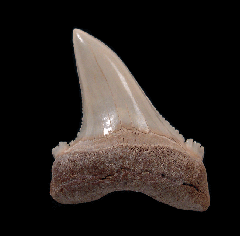
Learn More - Cretoxyrhina mantelli$60.00
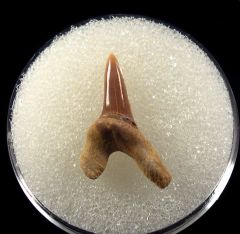
A Top Quality Cretoxyrhina mantelli, an extinct Mackerel (Odontid) shark tooth from Travis Co., Texas. An excellent example of this Late Cretaceous South Bosque Shale (Eagle Ford) Fm. shark. An anterior tooth. Authenticity guaranteed. Near perfect tooth. (There is a crack in the crown just above the bourlette)
T067 SIZE: 7/8"
Note - Adding 100+ new Texas shark teeth in October 2021. Link to Texas shark teeth
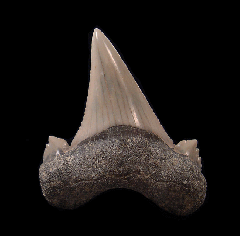
Learn More - Otodus mugodzharicus (Partial serrated)$0.00
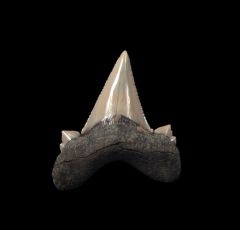
A very rare, early Otodus mugodzharicus upper jaw, lateral tooth from western Kazakhstan. A transition tooth leading to C. auriculatus (see detailed discussion below). The bourlette is large and complete. Exhibits very fine serrations along the lower 2/3 of the crown and weakly serrated side cusps with very irregular serrations. These teeth exhibit very good color, gloss, and preservation. A rare, early Eocene Auriculatus transition tooth. A very challenging tooth to find when building a Megalodon evolutionary set! No repair. Authenticity guaranteed.
K552 BoP SIZE: 1-1/2"
Note - Adding 16 Kazakh Auriuclatus or transition teeth in December 2018. --> Link to Kazakh Auriculatus teeth.
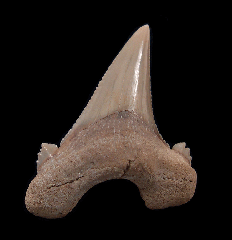
Learn More - Otodus aksuaticus (Partial serrated)$0.00
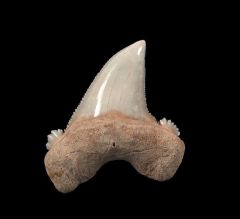
An ultra rare, early Otodus aksuaticus upper jaw, lateral tooth from western Kazakhstan. A transition tooth leading to C. auriculatus (see detailed discussion below). A May 2019 Fossil for the Month. The bourlette is large and complete. Exhibits small serrations along the lower 2/3 of the crown and weakly serrated side cusps with very irregular serrations. These teeth exhibit very good color, gloss, and preservation. A rare, early Eocene Auriculatus transition tooth. A very challenging tooth to find when building a Megalodon evolutionary set! No repair. Authenticity guaranteed.
K541 BoP SIZE: 2-1/16"
Note - Adding 13 Kazakh Auriuclatus or transition teeth in May 2019. --> Link to Kazakh Auriculatus teeth.
Learn More - Otodus mugodzharicus (Partial serrated)$0.00
A very rare, early Otodus mugodzharicus upper jaw, lateral tooth from Aktulagay, western Kazakhstan. A transitional tooth leading to C. auriculatus (see detailed discussion below) which leads to Megalodon. A November Fossil of the Month.The bourlette is complete. Tooth exhibits "wavy serrated" edges similar to the Isurus escheri tooth. These teeth exhibit very good color, gloss, and preservation. A rare, early Eocene Auriculatus transition tooth. A very challenging tooth to find when building a Megalodon evolutionary set! No repair. Authenticity guaranteed. This western Kazakhstan site is one of the few places in the world where the Otodus to Auriculatus transition can be found in adjacent layers. Note - This is my last offering of Aktluagay teeth.
K552 SIZE: 1-9/16"
Note - Adding 19 Kazakh Auriuclatus or transition teeth in November 2021. --> Link to Kazakh Auriculatus teeth.
Learn More - Otodus aksuaticus (Partial serrated)$450.00
A very rare, early Otodus aksuaticus upper jaw, lateral tooth from Kzil-Orda, Kazakhstan. A transitional tooth leading to O. auriculatus (see detailed discussion below) which leads to Megalodon. A July Fossil of the Month. The bourlette is complete. This tooth exhibits small serrations along the lower 1/3 of the crown and micro serrations to the tip. These teeth exhibit excellent color, gloss, and preservation. A rare, early (Ypresian) Eocene Auriculatus transition tooth. A very challenging tooth to find when building a Megalodon evolutionary set! No repair or restoration. Authenticity guaranteed. This western Kazakhstan site is one of the few places in the world where the Otodus obliquus to Otodus auriculatus transition can be found in adjacent geologic layers.
K547 SIZE: 1-15/16"
Note - Adding 24 Kazakh Auriuclatus or transition teeth in July 2024. --> Link to Kazakh Auriculatus teeth.
Learn More - Otodus aksuaticus (Partial serrated)$425.00
A very rare, early Otodus aksuaticus lateral tooth from Kzil-Orda, Kazakhstan. A transitional tooth leading to O. auriculatus (see detailed discussion below) which leads to Megalodon. A July Fossil of the Month.The bourlette is complete. This tooth exhibits small serrations along the lower 1/2 of the crown and micro serrations to the tip. These teeth exhibit excellent color, gloss, and preservation. A rare, early (Ypresian) Eocene Auriculatus transition tooth. A very challenging tooth to find when building a Megalodon evolutionary set! No repair or restoration. Authenticity guaranteed. This western Kazakhstan site is one of the few places in the world where the Otodus obliquus to Otodus auriculatus transition can be found in adjacent geologic layers.
K544 SIZE: 1-3/4"
Note - Adding 24 Kazakh Auriuclatus or transition teeth in July 2024. --> Link to Kazakh Auriculatus teeth.
Learn More - Otodus aksuaticus (Partial serrated)$550.00
A very rare, early Otodus aksuaticus lateral tooth from Kzil-Orda, Kazakhstan. A transitional tooth leading to O. auriculatus (see detailed discussion below) which leads to Megalodon. A July Fossil of the Month. The bourlette is complete. This tooth exhibits small serrations along the lower 1/2 of the crown and micro serrations to the tip. These teeth exhibit excellent color, gloss, and preservation. A rare, early (Ypresian) Eocene Auriculatus transition tooth. A very challenging tooth to find when building a Megalodon evolutionary set! No repair or restoration. Authenticity guaranteed. This western Kazakhstan site is one of the few places in the world where the Otodus obliquus to Otodus auriculatus transition can be found in adjacent geologic layers.
K542 SIZE: 2-1/8"
Note - Adding 24 Kazakh Auriuclatus or transition teeth in July 2024. --> Link to Kazakh Auriculatus teeth.
Learn More - Otodus aksuaticus (Partial serrated)$525.00
A very rare, early Otodus aksuaticus anterior tooth from Kzil-Orda, Kazakhstan. A transitional tooth leading to O. auriculatus (see detailed discussion below) which leads to Megalodon. A July Fossil of the Month. The bourlette is complete. This tooth exhibits small serrations along the lower 1/2 of the crown and micro serrations to the tip. These teeth exhibit excellent color, gloss, and preservation. A rare, early (Ypresian) Eocene Auriculatus transition tooth. A very challenging tooth to find when building a Megalodon evolutionary set! No repair or restoration. Authenticity guaranteed. This western Kazakhstan site is one of the few places in the world where the Otodus obliquus to Otodus auriculatus transition can be found in adjacent geologic layers.
K542 SIZE: 2-3/16"
Note - Adding 24 Kazakh Auriuclatus or transition teeth in July 2024. --> Link to Kazakh Auriculatus teeth.
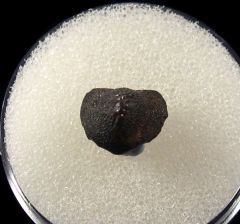
Learn More - Ptychodus anonymus$50.00
A Top Quality Ptychodus anonymus, an extinct durophagous (shell-crushing) shark, tooth from Dallas Co., Texas. An excellent example of this Upper Cretaceous Eagle Ford Fm. tooth. These massive teeth have a design with transverse ridges extending across the cusp face. Authenticity guaranteed. Perfect tooth.
T089 SIZE: 7/16"
Note - Adding 100+ new Texas shark teeth in October 2021. Link to Texas shark teeth
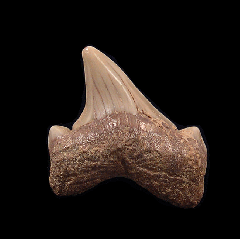
Learn More - Otodus obliquus (not serrated)$95.00
A very rare, early Otodus obliquus anterior tooth from Kzil-Orda Region, Kazakhstan. Otodus obliquus is the ancestor to O. auriculatus (see detailed discussion below) which leads to Megalodon. The bourlette is large and complete. Exhibits no serrations. The starting species to serrated Otodus teeth. These teeth exhibit very good color, gloss, and preservation. A rare, early Eocene (Ypresian) Auriculatus transition tooth. A very challenging tooth to find when building a Megalodon evolutionary set! No repair. Authenticity guaranteed. Note - This western Kazakhstan site is one of the few places in the world where the Otodus obliquus to Otodus auriculatus transition can be found in adjacent early Eocene formation units.
K561 SIZE: 1-1/16"
Note - Adding 24 Kazakh Auriculatus or transition teeth in July 2024. --> Link to Kazakh Auriculatus teeth.
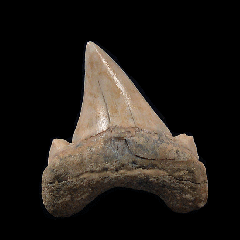
Learn More - Otodus obliquus (not serrated)$135.00
A very rare, early Otodus obliquus anterior tooth from Kzil-Orda Region, Kazakhstan. Otodus obliquus is the ancestor to O. auriculatus (see detailed discussion below) which leads to Megalodon. The bourlette is large and complete. Exhibits no serrations. The starting species to serrated Otodus teeth. These teeth exhibit very good color, gloss, and preservation. A rare, early Eocene (Ypresian) Auriculatus transition tooth. A very challenging tooth to find when building a Megalodon evolutionary set! No repair. Authenticity guaranteed. Note - This western Kazakhstan site is one of the few places in the world where the Otodus obliquus to Otodus auriculatus transition can be found in adjacent early Eocene formation units.
K562 SIZE: 1-1/4"
Note - Adding 24 Kazakh Auriculatus or transition teeth in July 2024. --> Link to Kazakh Auriculatus teeth.
Learn More