Search results for: 'crab bear lower franc teeth 2f 2f'
- Related search terms
- crab good couple
- bear good cave in texanus river
- france good slimpants when
- bear good ca01 in texanus rather
- crab my good blue medium 2 paleozo
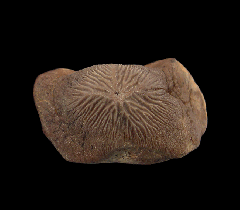
- Ptychodus mortoni$225.00
A LARGE, Top Quality Ptychodus mortoni, an extinct durophagous (shell-crushing) shark, tooth from Dallas Co., Texas. An excellent example of this Upper Cretaceous Eagle Ford Fm. tooth. These teeth have a design that includes a high cusp with radiating occlusal ridges extending across the cusp face. Authenticity guaranteed. P. mortoni is a rare species in Texas, and when teeth get this large they are extremely rare! Near Pefect tooth.
T374 SIZE: 1-3/8"
Adding 24 Ptychodus mortoni teeth in August 2025. Link to Texas shark teeth
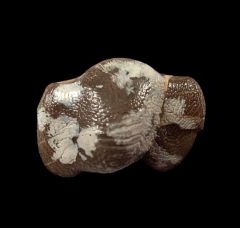
Learn More - Ptychodus mammillaris$175.00
A HUGE, Top Quality Ptychodus mammillaris, an extinct durophagous (shell-crushing) shark, tooth from Dallas Co., Texas. An excellent example of this Upper Cretaceous Kamp Ranch Fm. tooth. These massive teeth have a design with strong transverse ridges across the cusp that transition to a concentric pattern at the base of the cusp. Authenticity guaranteed. Note - one margin has a natural crack which contains matrix within it and the root structure is missing. This is a rare species and a suer rare size - this specimen exceeds the maximum size recorded for Texas!
T271 SIZE: 1-13/16" x 1-1/8"
Note - Adding 100+ new Texas shark teeth in October 2021. Link to Texas shark teeth
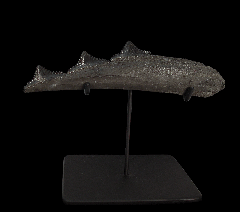
Learn More - Edestus heinrichi$1,495.00
An ultra rare, Top Quality Edestus heinrichi, a complete whorl with three crowns from Herrin, Illinois. A July Fossil of the Month. This is a Paleozoic shark that lived in swamp that our now underground coal deposits. Exceptional preservation, serrations, and serration detail. The Edestus shark would have an upper and lower tooth whorl that are vertically opposed. Research showed that they could use their opposing teeth in a scissor-like motion to cut prey. It is the first animal to cut vertically with linear tooth whorls. A very strange looking and unique acting shark. This whorl is incredibly massive at 6" long with three crowns. The whorl body is well perserved with an excellent bright line of pyrite below the crown enamel. The crowns are large at 1-5/8" wide and look fantastic. Note - One crown tip has a small professional repair (~1/8") which is very common for a whorl. Pennsylvanian age from Illinois. Authenticity guaranteed. The Edestus shark recreation image is credited to Julio Lacerdo. These Edestus whorls are extremely rare. This whorl comes with a custon steel stand and makes a fantastic display piece. My lowest price ever for a complete whorl!
I01 SIZE: 6" whorl (1-5/8"+ crowns) ; Height is 4-1/8" on stand.
Adding 22 Edestus shark teeth in July 2025. Link to Edestus shark.
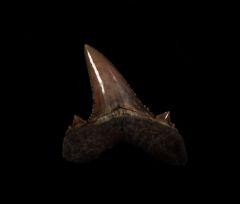
Learn More - Otodus mugodzharicus (Partial serrated)$0.00
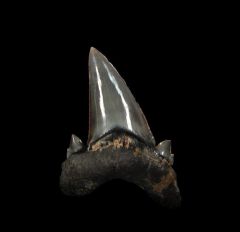
A very rare, early Otodus mugodzharicus upper jaw, lateral tooth from Aktulagay, western Kazakhstan. A transitional tooth leading to C. auriculatus (see detailed discussion below) which leads to Megalodon. The bourlette is complete. Tooth exhibits very fine serrations along the lower 1/3 of crown and micro serrations to the tip. These teeth exhibit very good color, gloss, and preservation. A rare, early Eocene Auriculatus transition tooth. A very challenging tooth to find when building a Megalodon evolutionary set! No repair. Authenticity guaranteed. Note - This western Kazakhstan site is one of the few places in the world where the Otodus to Auriculatus transition can be found in adjacent layers.
K554 SIZE: 1-1/4"
Note - Adding 18 Kazakh Auriuclatus or transition teeth in April 2020. --> Link to Kazakh Auriculatus teeth.
Learn More - Otodus mugodzharicus (Partial serrated)$0.00
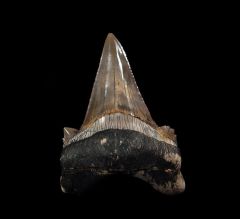
A very rare, early Otodus mugodzharicus upper jaw, lateral tooth from Aktulagay, western Kazakhstan. A transitional tooth leading to C. auriculatus (see detailed discussion below) which leads to Megalodon. The bourlette is complete. Tooth exhibits wavy serrations along the lower 1/3 of crown and small wavy serrations to the tip. These teeth exhibit very good color, gloss, and preservation. A rare, early Eocene Auriculatus transition tooth. A very challenging tooth to find when building a Megalodon evolutionary set! No repair. Authenticity guaranteed. Note - This western Kazakhstan site is one of the few places in the world where the Otodus to Auriculatus transition can be found in adjacent layers.
K553 SIZE: 1-1/2"
Note - Adding 18 Kazakh Auriuclatus or transition teeth in April 2020. --> Link to Kazakh Auriculatus teeth.
Learn More - Otodus mugodzharicus (Partial serrated)$0.00
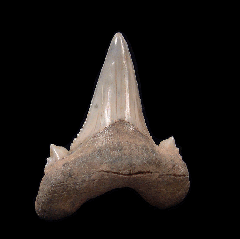
A very rare, early Otodus mugodzharicus upper jaw, anterior tooth from Aktulagay, western Kazakhstan. A transitional tooth leading to C. auriculatus (see detailed discussion below) which leads to Megalodon. The bourlette is complete. Tooth exhibits fine and wavy serrations along the lower 1/3 of crown and no serrations the tip. These teeth exhibit very good color, gloss, and preservation. A rare, early Eocene Auriculatus transition tooth. A very challenging tooth to find when building a Megalodon evolutionary set! No repair. Authenticity guaranteed. Note - This western Kazakhstan site is one of the few places in the world where the Otodus to Auriculatus transition can be found in adjacent layers.
K551 SIZE: 2-1/8"
Note - Adding 18 Kazakh Auriculatus or transition teeth in April 2020. --> Link to Kazakh Auriculatus teeth.
Learn More - Otodus aksuaticus (Partial serrated)$325.00
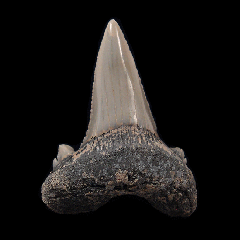
A very rare, early Otodus aksuaticus anterior tooth from Kzil-Orda, Kazakhstan. A transitional tooth leading to O. auriculatus (see detailed discussion below) which leads to Megalodon. The bourlette is complete. This tooth exhibits small serrations along the lower 1/2 of the crown and micro serrations to the tip. These teeth exhibit excellent color, gloss, and preservation. A rare, early (Ypresian) Eocene Auriculatus transition tooth. A very challenging tooth to find when building a Megalodon evolutionary set! No repair or restoration. Authenticity guaranteed. This western Kazakhstan site is one of the few places in the world where the Otodus obliquus to Otodus auriculatus transition can be found in adjacent geologic layers.
K546 SIZE: 1-9/16"
Note - Adding 24 Kazakh Auriuclatus or transition teeth in July 2024. --> Link to Kazakh Auriculatus teeth.
Learn More - Otodus aksuaticus (Partial serrated)$350.00
A very rare, early Otodus aksuaticus anterior tooth from Kzil-Orda, Kazakhstan. A transitional tooth leading to O. auriculatus (see detailed discussion below) which leads to Megalodon. The bourlette is complete. This tooth exhibits small serrations along the lower 1/2 of the crown and micro serrations to the tip. These teeth exhibit excellent color, gloss, and preservation. A rare, early (Ypresian) Eocene Auriculatus transition tooth. A very challenging tooth to find when building a Megalodon evolutionary set! No repair or restoration. Authenticity guaranteed. This western Kazakhstan site is one of the few places in the world where the Otodus obliquus to Otodus auriculatus transition can be found in adjacent geologic layers.
K545 SIZE: 1-3/4"
Note - Adding 24 Kazakh Auriuclatus or transition teeth in July 2024. --> Link to Kazakh Auriculatus teeth.
Learn More - Otodus aksuaticus (Partial serrated)$425.00
A very rare, early Otodus aksuaticus lateral tooth from Kzil-Orda, Kazakhstan. A transitional tooth leading to O. auriculatus (see detailed discussion below) which leads to Megalodon. The bourlette is complete. This tooth exhibits small serrations along the lower 1/3 of the crown and micro serrations to the tip. These teeth exhibit excellent color, gloss, and preservation. A rare, early (Ypresian) Eocene Auriculatus transition tooth. A very challenging tooth to find when building a Megalodon evolutionary set! No repair or restoration. Authenticity guaranteed. This western Kazakhstan site is one of the few places in the world where the Otodus obliquus to Otodus auriculatus transition can be found in adjacent geologic layers.
K543 SIZE: 1-7/8"
Note - Adding 24 Kazakh Auriuclatus or transition teeth in July 2024. --> Link to Kazakh Auriculatus teeth.
Learn More -
-
-