Search results for: 'good 1 plastike za metalni branch'
- Related search terms
- goods terrestri a none
- good terrestri a none
- goods terrestri a none/
- good terrestri a none//
- good was 2 gift of this
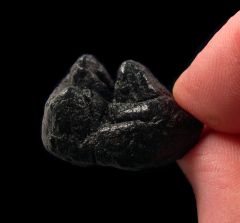
- Tapir$60.00
A TOP QUALITY Tapirus sp. tooth from the Pleistocene of Georgia. An extinct Tapir. This tooth has excellent preservation. It's complete with absolutely no restoration or repair. A wonderful Pleistocene specimen. Authenticity guaranteed.
X745 SIZE: 1-3/8” x 1"
Note – adding 6 tapir teeth in March 2022. Link to Tapir fossils
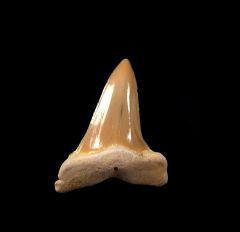
Learn More - Isurus praecursor$70.00
A Top Quality Isurus praecursor, the earliest Mako shark, tooth from the phosphate mines of Hahotoe, Togo. An upper lateral tooth. Note - there is a "wedge shaped" bite mark on the side of the root! Excellent color and preservation. This tooth is Lutetian age (45 MYA), lower middle Eocene. No repair or restoration. Authenticity guaranteed.
TG070 SIZE: 1-1/8"
Note - Adding 117 shark teeth from Togo in March 2022. Link to Togo Shark Teeth
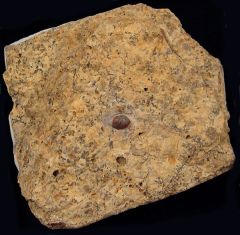
Learn More - Acrodus lateralis$35.00
A rare Acrodus lateralis tooth. This tooth is from Muschelkalk limestone - middle Triassic age (240 million years old).
FR217 SIZE: 1/8"
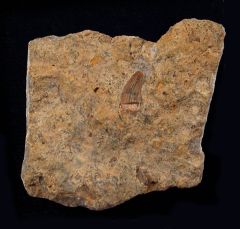
Learn More - Nothosaurus mirabilis (Triassic)$25.00
A rare Nothosaurus mirabilis tooth. This tooth is from Muschelkalk limestone - middle Triassic age (240 million years old).
FR252 SIZE: 1/4"
Learn More - Saurichthys apicalis (Triassic)$10.00
A rare Saurichthys apicalis tooth. This tooth is from Muschelkalk limestone - middle Triassic age (240 million years old).
FR294 SIZE: 1/8"
Learn More - Cyrtospirifer rudkinense$5.00
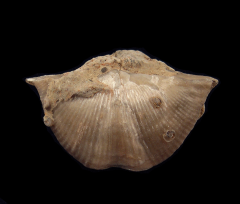
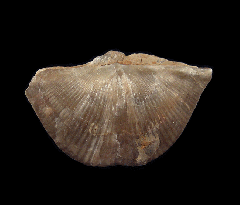
A silica replaced Cyrtospirifer brachiopod Rudkine near Voronezh, Russia. Brachiopods are bivalve molluscs. Both valves present - complete specimens and matrix free. Exceptional preservation. Note - 3/4" thick and heavy! This is a late Devonian (370 mya) brachiopod. A nice display piece!
Y012 SIZE: 1-5/8"
Note - Posting 23 new Brachiopods in January 2024. Link to Brachipods.
Learn More - Cyrtospirifer rudkinense$5.00
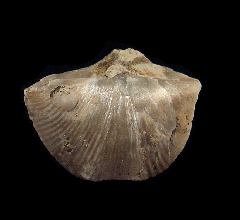
A silica replaced Cyrtospirifer brachiopod Rudkine near Voronezh, Russia. Brachiopods are bivalve molluscs. Both valves present - complete specimens and matrix free. Exceptional preservation. Note - 7/8" thick and heavy! This is a late Devonian (370 mya) brachiopod. A nice display piece!
Y010 SIZE: 1-7/16"
Note - Posting 23 new Brachiopods in January 2024. Link to Brachipods.
Learn More - Cyrtospirifer rudkinense$5.00
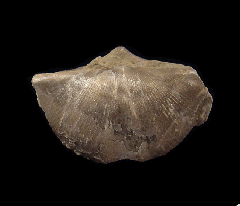
A silica replaced Cyrtospirifer brachiopod Rudkine near Voronezh, Russia. Brachiopods are bivalve molluscs. Both valves present - complete specimens and matrix free. Exceptional preservation. Note - 7/8" thick and heavy! This is a late Devonian (370 mya) brachiopod. A nice display piece!
Y009 SIZE: 1-9/16"
Note - Posting 23 new Brachiopods in January 2024. Link to Brachipods.
Learn More - Cyrtospirifer rudkinense$7.50
A silica replaced Cyrtospirifer brachiopod Rudkine near Voronezh, Russia. Brachiopods are bivalve molluscs. Both valves present - complete specimens and matrix free. Exceptional preservation. Note - 3/4" thick and heavy! This is a late Devonian (370 mya) brachiopod. A nice display piece!
Y008 SIZE: 1-5/8"
Note - Posting 23 new Brachiopods in January 2024. Link to Brachipods.
Learn More - New Dicotaledon species$25.00
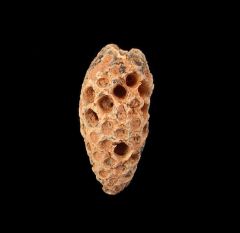
An excellent, rare unidentified Dicotaledon fruit specimen from Morocco. Found in the late Eocene sediments in Western Sahara, Morocco.
X360 Size: 1-3/8"
Note - Adding 10 Moroccan Dicotaledon specimens in July 2019. Link to the Dicotaledon specimens
Learn More - New Dicotaledon species$40.00
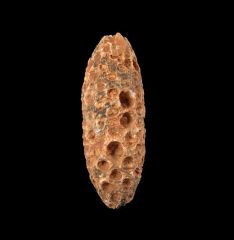
A excellent, rare unidentified Dicotaledon fruit specimen from Morocco. Found in the late Eocene sediments in Western Sahara, Morocco.
X356 Size: 1-7/8"
Note - Adding 10 Moroccan Dicotaledon specimens in July 2019. Link to the Dicotaledon specimens
Learn More - New Dicotaledon species$47.50
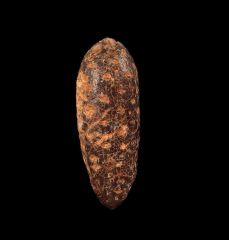
A excellent, rare unidentified Dicotaledon fruit specimen from Morocco. Found in the late Eocene sediments in Western Sahara, Morocco.
X355 Size: 1-7/8"
Note - Adding 10 Moroccan Dicotaledon specimens in July 2019. Link to the Dicotaledon specimens
Learn More