Search results for: 'call of guid is my co posted'
- Did you mean
- cave of guid is my co posted
- call of good is my co posted
- Related search terms
- call of good is my co pitt
- call of good is my co piec
- call good couple
- call good couple/
- call good couple//
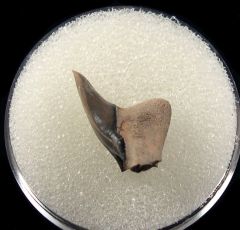
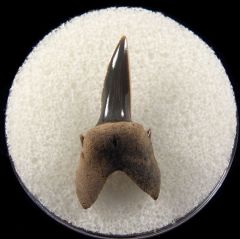
- Paraisurus compressus$125.00
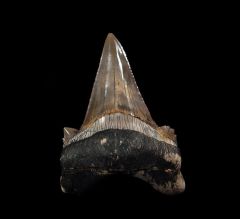
A very rare Top Quality Paraisurus compressus, an extinct Mackerel shark, tooth from Tarrant Co., Texas. An excellent example of this Lower Cretaceous Paw Paw Fm. tooth. These teeth have a unique design with a a very compressed tooth, very high root face, no cusps, and long slender root lobes. Authenticity guaranteed. You do not see these teeth very often.
T224 SIZE: 3/4"
Note - Adding 100+ new Texas shark teeth in October 2021. Link to Texas shark teeth
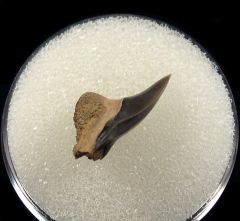
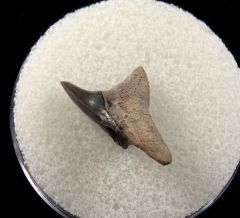
Learn More - Paraisurus compressus$145.00
A very rare Top Quality Paraisurus compressus, an extinct Mackerel shark, tooth from Tarrant Co., Texas. An excellent example of this Lower Cretaceous Paw Paw Fm. tooth. These teeth have a unique design with a a very compressed tooth, very high root face, no cusps, and long slender root lobes. Authenticity guaranteed. You do not see these teeth very often.
T223 SIZE: 13/16"
Note - Adding 100+ new Texas shark teeth in October 2021. Link to Texas shark teeth
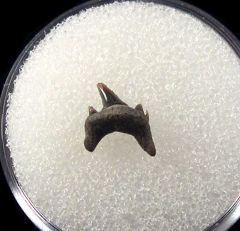
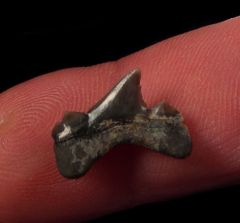
Learn More - Protolamna sokolovi$35.00
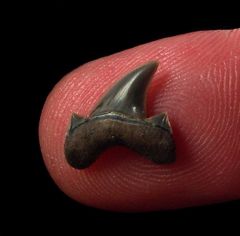
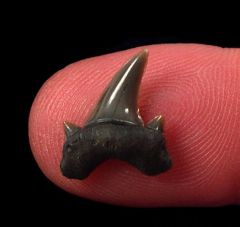
A Top Quality Protolamna sokolovi, an extinct Mackerel shark, tooth from Tarrant Co., Texas. An excellent example of this Lower Cretaceous Paw Paw Fm. shark. These teeth have a unique design with a high root face, broad side cusps, and strong vertical ridges along the crown base. This is a lateral tooth with perfect side cusps. Authenticity guaranteed. Near perfect tooth.
T251 SIZE: 3/8"
Note - Adding 100+ new Texas shark teeth in October 2021. Link to Texas shark teeth
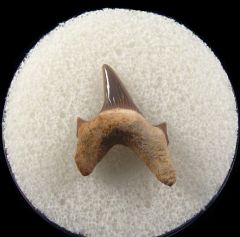
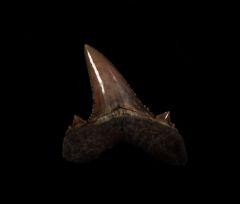
Learn More - Protolamna sokolovi$125.00
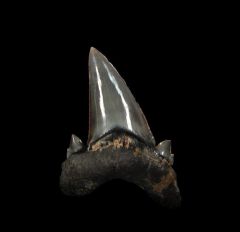
A LARGE, Top Quality Protolamna sokolovi, an extinct Mackerel shark, tooth from Tarrant Co., Texas. An excellent example of this Lower Cretaceous Paw Paw Fm. shark. These teeth have a unique design with a high root face, broad side cusps, and strong vertical ridges along the crown base. This is a lateral tooth with perfect side cusps. Authenticity guaranteed. Perfect tooth.
T243 SIZE: 15/16"
Note - Adding 100+ new Texas shark teeth in October 2021. Link to Texas shark teeth
Learn More - Leptostyrax macrorhiza$195.00
An EXTRA LARGE, Top Quality Leptostyrax macrorhiza, an extinct Mackerel shark, tooth from Tarrant Co., Texas. An October Fossil of the Month. An excellent example of this Lower Cretaceous Paw Paw Fm. shark. These teeth have a unique design with a very high root face and broad & long side cusps. This is an anterior tooth with perfect cusps. Authenticity guaranteed. Perfect tooth
T162 SIZE: 1-3/16"
Note - Adding 100+ new Texas shark teeth in October 2021. Link to Texas shark teeth
Learn More - Paraisurus compressus$195.00
A very rare Top Quality Paraisurus compressus, an extinct Mackerel shark, tooth from Tarrant Co., Texas. An excellent example of this Lower Cretaceous Paw Paw Fm. tooth. These teeth have a unique design with a a very compressed tooth, very high root face, no cusps, and long slender root lobes. One complete root lobe. Authenticity guaranteed. You do not see these teeth very often.
T222 SIZE: 1"
Note - Adding 100+ new Texas shark teeth in October 2021. Link to Texas shark teeth
Learn More - Otodus mugodzharicus (Partial serrated)$0.00
A very rare, early Otodus mugodzharicus upper jaw, posterior tooth from Aktulagay, western Kazakhstan. A transitional tooth leading to C. auriculatus (see detailed discussion below) which leads to Megalodon. The bourlette is complete. Tooth exhibits very fine serrations along the inner curve of the crown only. These teeth exhibit very good color, gloss, and preservation. A rare, early Eocene Auriculatus transition tooth. A very challenging tooth to find when building a Megalodon evolutionary set! No repair. Authenticity guaranteed. Note - This western Kazakhstan site is one of the few places in the world where the Otodus to Auriculatus transition can be found in adjacent layers.
K555 SIZE: 5/8"
Note - Adding 18 Kazakh Auriculatus or transition teeth in April 2020. --> Link to Kazakh Auriculatus teeth.
Learn More - Otodus mugodzharicus (Partial serrated)$0.00
A very rare, early Otodus mugodzharicus upper jaw, lateral tooth from Aktulagay, western Kazakhstan. A transitional tooth leading to C. auriculatus (see detailed discussion below) which leads to Megalodon. The bourlette is complete. Tooth exhibits very fine serrations along the lower 1/3 of crown and micro serrations to the tip. These teeth exhibit very good color, gloss, and preservation. A rare, early Eocene Auriculatus transition tooth. A very challenging tooth to find when building a Megalodon evolutionary set! No repair. Authenticity guaranteed. Note - This western Kazakhstan site is one of the few places in the world where the Otodus to Auriculatus transition can be found in adjacent layers.
K554 SIZE: 1-1/4"
Note - Adding 18 Kazakh Auriuclatus or transition teeth in April 2020. --> Link to Kazakh Auriculatus teeth.
Learn More - Otodus mugodzharicus (Partial serrated)$0.00
A very rare, early Otodus mugodzharicus upper jaw, lateral tooth from Aktulagay, western Kazakhstan. A transitional tooth leading to C. auriculatus (see detailed discussion below) which leads to Megalodon. The bourlette is complete. Tooth exhibits wavy serrations along the lower 1/3 of crown and small wavy serrations to the tip. These teeth exhibit very good color, gloss, and preservation. A rare, early Eocene Auriculatus transition tooth. A very challenging tooth to find when building a Megalodon evolutionary set! No repair. Authenticity guaranteed. Note - This western Kazakhstan site is one of the few places in the world where the Otodus to Auriculatus transition can be found in adjacent layers.
K553 SIZE: 1-1/2"
Note - Adding 18 Kazakh Auriuclatus or transition teeth in April 2020. --> Link to Kazakh Auriculatus teeth.
Learn More - Otodus mugodzharicus (Partial serrated)$0.00
A very rare, early Otodus mugodzharicus upper jaw, anterior tooth from Aktulagay, western Kazakhstan. A transitional tooth leading to C. auriculatus (see detailed discussion below) which leads to Megalodon. The bourlette is complete. Tooth exhibits fine and wavy serrations along the lower 1/3 of crown and no serrations the tip. These teeth exhibit very good color, gloss, and preservation. A rare, early Eocene Auriculatus transition tooth. A very challenging tooth to find when building a Megalodon evolutionary set! No repair. Authenticity guaranteed. Note - This western Kazakhstan site is one of the few places in the world where the Otodus to Auriculatus transition can be found in adjacent layers.
K551 SIZE: 2-1/8"
Note - Adding 18 Kazakh Auriculatus or transition teeth in April 2020. --> Link to Kazakh Auriculatus teeth.
Learn More - Otodus pavlovi$0.00
A very rare, early Otodus pavlovi upper jaw, lateral tooth from Aktulagay, western Kazakhstan. Otodus pavlovi was the smaller Otodus shark species present in this early Eocene deposit. The side cusps are large and complete. Exhibits no serrations. These teeth exhibit very good color, gloss, and preservation. No repair. Authenticity guaranteed. Perfect tooth.
K532 SIZE: 11/16"
Note - Adding 18 Kazakh Auriculatus or transition teeth in April 2020. --> Link to Kazakh Auriculatus teeth.
Learn More - Otodus pavlovi$0.00
A very rare, early Otodus pavlovi upper jaw, lateral tooth from Aktulagay, western Kazakhstan. Otodus pavlovi was the smaller Otodus shark species present in this early Eocene deposit. The side cusps are large and complete. Exhibits no serrations. These teeth exhibit very good color, gloss, and preservation. No repair. Authenticity guaranteed. Perfect tooth.
K531 SIZE: 13/16"
Note - Adding 18 Kazakh Auriculatus or transition teeth in April 2020. --> Link to Kazakh Auriculatus teeth.
Learn More