Search results for: 'age n bone transit good four base ferrets'
- Related search terms
- goods terrestri a none
- good terrestri a none
- good terrestri a none/
- good terrestri a none//
- goods terrestri a none//
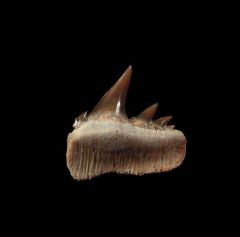
- Notorynchus kempi$95.00
An ultra rare Top Quality, upper jaw Notorynchus kempi, Seven-gill Cow shark, tooth from Kent, Kazakhstan. This tooth has four primary cusps. An Eocene (Bartonian) Cow shark species. Kazakh N. kempi teeth are quite rare and excellent examples are hard to locate. No repair or restoration. Authenticity guaranteed. A near Perfect tooth. One of the finest localities for Eocene age shark teeth!
K434 SIZE: 3/4"
Note - Adding 30 Kazakh Notorhynchus teeth in April 2022. Kazakhstan Notorhynchus Catalog
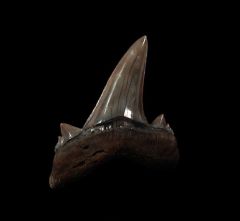
Learn More - Otodus mugodzharicus (Partial serrated)$0.00
A very rare, early Otodus mugodzharicus upper jaw, lateral tooth from Aktulagay, western Kazakhstan. A transitional tooth leading to C. auriculatus (see detailed discussion below) which leads to Megalodon. A November Fossil of the Month.The bourlette is complete. Tooth exhibits "wavy serrated" edges similar to the Isurus escheri tooth. These teeth exhibit very good color, gloss, and preservation. A rare, early Eocene Auriculatus transition tooth. A very challenging tooth to find when building a Megalodon evolutionary set! No repair. Authenticity guaranteed. This western Kazakhstan site is one of the few places in the world where the Otodus to Auriculatus transition can be found in adjacent layers. Note - This is my last offering of Aktluagay teeth.
K552 SIZE: 1-9/16"
Note - Adding 19 Kazakh Auriuclatus or transition teeth in November 2021. --> Link to Kazakh Auriculatus teeth.
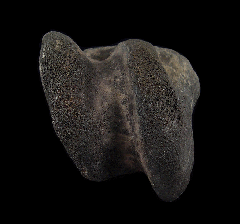
Learn More - Equus sp. Astragalus bone$15.00
A LARGE horse astragalus bone (Equus sp. ) from Northern Florida. The astragalus is the ankle bobe. The horse arrived in North America during the late Pliocene and became extinct at the end of the Pleistocene. A well fossilized specimen. No repair or restoration. Authenticity guaranteed.
XH33 Size: 2-1/2"
Name: Equus sp.
Age: Pleistocene
Location: Northern Florida
Note - Posting 23 horse fossils in December 2024. Link to Horse Fossils
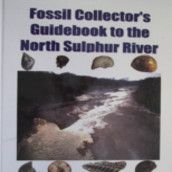
Learn More - Fossil Collector's Guidebook to the North Sulfur River By McKinzie, et. al.$0.00
An excellent guide to the late Cretaceous and Pleistocene fossils of the N. Sulfur River of Texas. An exceptional guide to the N. Sulfur River teeth and other Cretaceous sites. Out of print.
BB05 SIZE: 8-1/2" x 11"
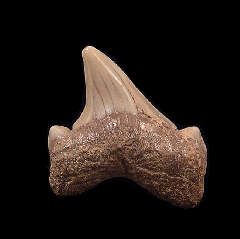
Learn More - Otodus obliquus (not serrated)$95.00
A very rare, early Otodus obliquus anterior tooth from Kzil-Orda Region, Kazakhstan. Otodus obliquus is the ancestor to O. auriculatus (see detailed discussion below) which leads to Megalodon. The bourlette is large and complete. Exhibits no serrations. The starting species to serrated Otodus teeth. These teeth exhibit very good color, gloss, and preservation. A rare, early Eocene (Ypresian) Auriculatus transition tooth. A very challenging tooth to find when building a Megalodon evolutionary set! No repair. Authenticity guaranteed. Note - This western Kazakhstan site is one of the few places in the world where the Otodus obliquus to Otodus auriculatus transition can be found in adjacent early Eocene formation units.
K561 SIZE: 1-1/16"
Note - Adding 24 Kazakh Auriculatus or transition teeth in July 2024. --> Link to Kazakh Auriculatus teeth.
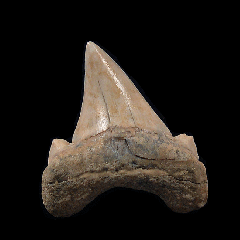
Learn More - Otodus obliquus (not serrated)$135.00
A very rare, early Otodus obliquus anterior tooth from Kzil-Orda Region, Kazakhstan. Otodus obliquus is the ancestor to O. auriculatus (see detailed discussion below) which leads to Megalodon. The bourlette is large and complete. Exhibits no serrations. The starting species to serrated Otodus teeth. These teeth exhibit very good color, gloss, and preservation. A rare, early Eocene (Ypresian) Auriculatus transition tooth. A very challenging tooth to find when building a Megalodon evolutionary set! No repair. Authenticity guaranteed. Note - This western Kazakhstan site is one of the few places in the world where the Otodus obliquus to Otodus auriculatus transition can be found in adjacent early Eocene formation units.
K562 SIZE: 1-1/4"
Note - Adding 24 Kazakh Auriculatus or transition teeth in July 2024. --> Link to Kazakh Auriculatus teeth.
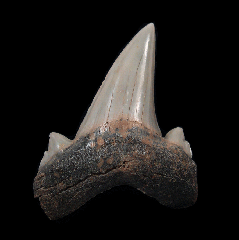
Learn More - Otodus obliquus (not serrated)$200.00
A very rare, early Otodus obliquus anterior tooth from Kzil-Orda Region, Kazakhstan. Otodus obliquus is the ancestor to O. auriculatus (see detailed discussion below) which leads to Megalodon. The bourlette is large and complete. Exhibits no serrations. The starting species to serrated Otodus teeth. These teeth exhibit very good color, gloss, and preservation. A rare, early Eocene (Ypresian) Auriculatus transition tooth. A very challenging tooth to find when building a Megalodon evolutionary set! No repair. Authenticity guaranteed. Note - This western Kazakhstan site is one of the few places in the world where the Otodus obliquus to Otodus auriculatus transition can be found in adjacent early Eocene formation units.
K561 SIZE: 1-1/4"
Note - Adding 24 Kazakh Auriculatus or transition teeth in July 2024. --> Link to Kazakh Auriculatus teeth.
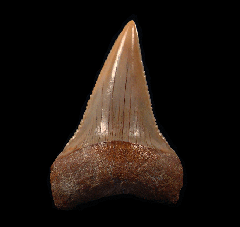
Learn More - Carcharodon hubbelli$0.00
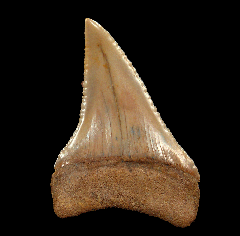
A rare TOP QUALITY, Great White shark transition tooth, Carcharodon hubbelli. A lower jaw anterior tooth. This C. hubbelli tooth has small serrations at the base of the cutting edge, transition to very fine serrations at mid crown and disappear towards the tip. This tooth has an excellent tan colored crown and brown root. Fantastic color! No repair or restoration. Authenticity guaranteed. An exceptional Great White transition form! It will be extremely difficult to locate Carcharodon hubbelli since there is no new supply.
C209T SIZE: 1-13/16"
Note - Adding 10 new C. hubbelli (GW transition) teeth in April 2023 Link to GW Transition Teeth
Learn More - Carcharodon hubbelli$425.00
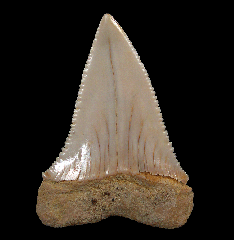
A rare TOP QUALITY, Great White shark transition tooth, Carcharodon hubbelli. An upper jaw anterior tooth. This C. hubbelli tooth has small serrations at the base of the cutting edge that disappear towards the tip. This tooth has an excellent tan colored crown and tan root. Fantastic color! No repair or restoration. Authenticity guaranteed. An exceptional Great White transition form! It will be extremely difficult to locate Carcharodon hubbelli since there is no new supply.
C204T SIZE: 2-3/8"
Note - Adding 7 new C. hubbelli (GW transition) teeth in September 2025 Link to GW Transition Teeth
Learn More - Carcharodon hubbelli$625.00
A rare TOP QUALITY, Great White shark transition tooth, Carcharodon hubbelli. An upper jaw anterior tooth. This C. hubbelli tooth has medium to small serrations at the base of the cutting edge that disappear towards the tip. This tooth has an excellent tan colored crown and tan root. Fantastic color! No repair or restoration. Authenticity guaranteed. An exceptional Great White transition form! It will be extremely difficult to locate Carcharodon hubbelli since there is no new supply.
C203T SIZE: 2-7/16"
Note - Adding 7 new C. hubbelli (GW transition) teeth in September 2025 Link to GW Transition Teeth
Learn More - Otodus pavlovi$0.00
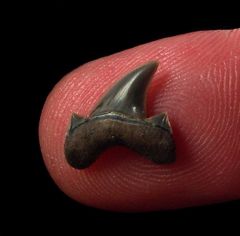
A very rare, early Otodus pavlovi upper jaw, lateral tooth from Aktulagay, western Kazakhstan. Otodus pavlovi was the smaller Otodus shark species present in this early Eocene deposit. The side cusps are large and complete. Exhibits no serrations. These teeth exhibit very good color, gloss, and preservation. No repair. Authenticity guaranteed. Perfect tooth.
K532 SIZE: 11/16"
Note - Adding 18 Kazakh Auriculatus or transition teeth in April 2020. --> Link to Kazakh Auriculatus teeth.
Learn More - Otodus pavlovi$0.00
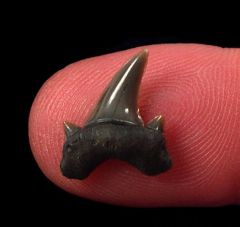
A very rare, early Otodus pavlovi upper jaw, lateral tooth from Aktulagay, western Kazakhstan. Otodus pavlovi was the smaller Otodus shark species present in this early Eocene deposit. The side cusps are large and complete. Exhibits no serrations. These teeth exhibit very good color, gloss, and preservation. No repair. Authenticity guaranteed. Perfect tooth.
K531 SIZE: 13/16"
Note - Adding 18 Kazakh Auriculatus or transition teeth in April 2020. --> Link to Kazakh Auriculatus teeth.
Learn More