Search results for: 'icebreaker 20 teeth mexico like sleeper base label'
- Did you mean
- icebreaker 20 teeth mexico line sleeper base label
- Related search terms
- bases good wide blue
- bases good white blue
- base good with blue
- base good wide blue
- bases good with blue/
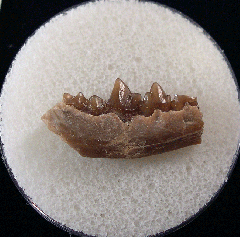
- Hesperocyon gregarius - Extinct Dog-like Canid$55.00
An extinct early Dog-like Canid jaw (Hesperocyon gregarius) from Sioux Co., Nebraska. Hesperocyon gregarius was one of many mammals that thrived in the Early Oligocene in North America. Found in the Brule Fm. (Rupelian) 33 - 30 million years ago. A very well preserved specimen. No repair or restoration. Authenticity guaranteed. This item comes witha 2"x 2" floating frame display.
WR43 Size: 1-1/8"
Name: Hesperocyon gregarius
Age: Oligocene
Location: Sioux Co., Nebraska
Note - Posting 49 Oligocene Mammal fossils in January 2025. Link to Oligocene Mammal Fossils
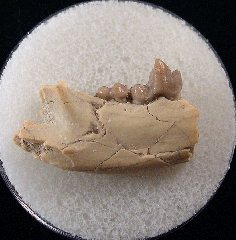
Learn More - Hesperocyon gregarius - Extinct Dog-like Canid$60.00
An extinct early Dog-like Canid jaw (Hesperocyon gregarius) from Sioux Co., Nebraska. Hesperocyon gregarius was one of many mammals that thrived in the Early Oligocene in North America. Found in the Brule Fm. (Rupelian) 33 - 30 million years ago. A very well preserved specimen. No repair or restoration. Authenticity guaranteed. This item comes witha 2"x 2" floating frame display.
WR42 Size: 1-3/16"
Name: Hesperocyon gregarius
Age: Oligocene
Location: Sioux Co., Nebraska
Note - Posting 49 Oligocene Mammal fossils in January 2025. Link to Oligocene Mammal Fossils
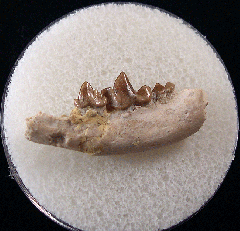
Learn More - Hesperocyon gregarius - Extinct Dog-like Canid$60.00
An extinct early Dog-like Canid jaw (Hesperocyon gregarius) from Sioux Co., Nebraska. Hesperocyon gregarius was one of many mammals that thrived in the Early Oligocene in North America. Found in the Brule Fm. (Rupelian) 33 - 30 million years ago. A very well preserved specimen. No repair or restoration. Authenticity guaranteed. This item comes witha 2"x 2" floating frame display.
WR41 Size: 1-1/4"
Name: Hesperocyon gregarius
Age: Oligocene
Location: Sioux Co., Nebraska
Note - Posting 49 Oligocene Mammal fossils in January 2025. Link to Oligocene Mammal Fossils
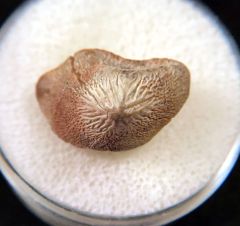
Learn More - Ptychodus mortoni$35.00
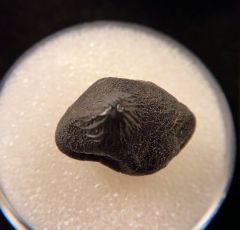
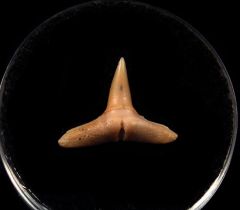
A scarce primitive shark tooth, Ptychodus mortoni, from Upper Cretaceous of New Mexico. The Ptychodus shark possessed crusher teeth preyed on mollusks and other shelled animals. These teeth are from Sandoval Co., New Mexico. Authenticity guaranteed.
NM001 SIZE: 13/16"
Learn More - Ptychodus mortoni$40.00
A scarce primitive shark tooth, Ptychodus mortoni, from Upper Cretaceous of New Mexico. The Ptychodus shark possessed crusher teeth preyed on mollusks and other shelled animals. These teeth are from Sandoval Co., New Mexico. Authenticity guaranteed.
NM002 SIZE: 3/4"
Learn More - Fossil Shark Teeth of the World by Joe Cocke$45.00
"Fossil Shark Teeth of the World" is an excellent identification guide for the collector. This book covers more than 85 shark species with photos of typical teeth. A great guide for the new and seasoned collectors.
BB07 Size: 5-1/2" x 8-1/2"
Learn More - Negaprion brevirostos$20.00
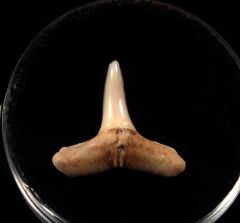
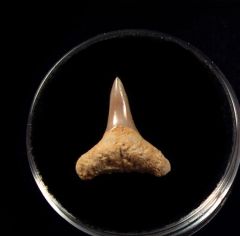
A Top Quality Negaprion brevirostos, Lemon shark, tooth from Baja, Mexico. Highest quality enamel. Excellent tan color with a tan root. The root shows good detail. Very good preservation and condition. This is a Miocene age tooth from the Rosarita Beach Fm. Authenticity guaranteed. A fantastic collector's tooth from a rare locality.
MX341 Size: 11/16"
Posting 19 species (68 rare shark teeth) from Baja, Mexico. Link to Mexican shark teeth -> Mexico shark teeth
Learn More - Negaprion brevirostos$30.00
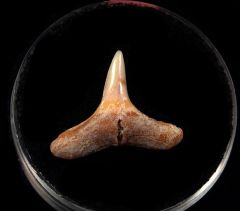
A Top Quality Negaprion brevirostos, Lemon shark, tooth from Baja, Mexico. Highest quality enamel. Excellent tan color with a tan root. The root shows good detail. Very good preservation and condition. This is a Miocene age tooth from the Rosarita Beach Fm. Authenticity guaranteed. A fantastic collector's tooth from a rare locality.
MX342 Size: 3/4"
Posting 19 species (68 rare shark teeth) from Baja, Mexico. Link to Mexican shark teeth -> Mexico shark teeth
Learn More - Negaprion brevirostos$35.00
A Top Quality Negaprion brevirostos, Lemon shark, tooth from Baja, Mexico. Highest quality enamel. Excellent tan color with a tan root. The root shows good detail. Very good preservation and condition. This is a Miocene age tooth from the Rosarita Beach Fm. Authenticity guaranteed. A fantastic collector's tooth from a rare locality.
MX343 Size: 5/8"
Posting 19 species (68 rare shark teeth) from Baja, Mexico. Link to Mexican shark teeth -> Mexico shark teeth
Learn More - Negaprion brevirostos$27.50
A Top Quality Negaprion brevirostos, Lemon shark, tooth from Baja, Mexico. Highest quality enamel. Excellent tan color with a tan root. The root shows good detail. Very good preservation and condition. This is a Pliocene age tooth from the Gloria Fm. Authenticity guaranteed. A fantastic collector's tooth from a rare locality.
MX344 Size: 9/16"
Posting 19 species (68 rare shark teeth) from Baja, Mexico. Link to Mexican shark teeth -> Mexico shark teeth
Learn More - Otodus angustidens$70.00
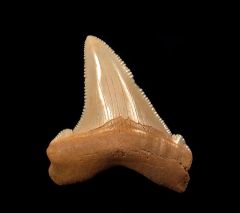
A Top Quality Angustidens - upper jaw posterior tooth from Summerville, So. Carolina. High quality enamel. Bourlette is an excellent tan and complete. Excellent serrations and side cusps. The root is excellent with no hydration cracks. Great color and preservation. No repair or restoration. An Oligocene age tooth from the Chandler Bridge Formation. Authenticity guaranteed. An excellent Angustidens tooth from So. Carolina.
SC521 SIZE: 1-7/8"
Note - Adding 20+ new Angustidens teeth in May 2021. --> Link to Angustidens teeth.
Learn More - Encope borealis - sand dollar$0.00
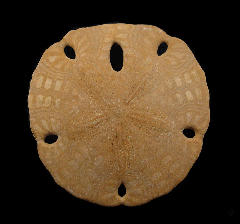
The Echinoid Display Collection. A LARGE, Top Quality Encope borealis sand dollar from Baja California, Mexico. This is a Pliocene age sand dollar (2 MYA). Excellent preservation. Authenticity guaranteed. An excellent collector specimen from a special collection of echinoids. A perfect echinoid. Comes with a custom wooden ID stand with label (see photo of typical label).
EC108 Size: 3" x 3"
Note - Posting 14 Sea Urchins / Sand Dollars in October 2023. -> Link to Echinoderms.
Learn More