Search results for: 'liops planus few planus fisher guid'
- Related search terms
- liops rose and apartments vienna enabl
- liops root and apartments vienna enabl
- liops rows and apartments vienna enabl
- liops rossica and apartments vienna enabl
- guid good mako
- Carcharocles megalodon$0.00
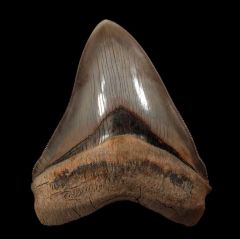
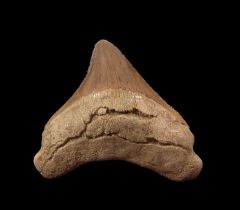
An ultra rare GEM quality, Classic Peruvian Megalodon tooth. A September Fossil of the Month. This Megalodon has an excellent blue & brown colored crown. The bourlette is a dark brown and 100% complete. The root is a light brown and complete. Incredible color! Highest quality enamel. The bourlette is excellent and 100% complete. The serrations are extra large and 100% complete. Exceptional serrations! The root is nicely articulated, extra wide, and complete with few hydration cracks. This Megalodon was found in the Ocucate area of Peru (Miocene age). No repair or restoration. One of the finest ~5" examples of a classic Peruvian Miocene Megalodon tooth considering the shape, color, and preservation. An exceptional collector's tooth from the old days! A Museum Quality Megalodon. Authenticity guaranteed. Perfect tooth. Super rare location!
P001 BoP4 Size: 4-13/16" (3-15/16" W)
Learn More - Otodus mugodzharicus (Partial serrated)$0.00
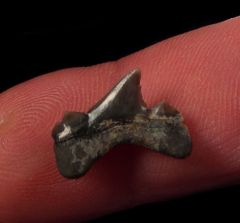
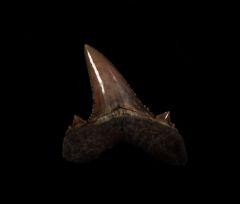
A very rare, early Otodus mugodzharicus upper jaw, posterior tooth from Aktulagay, western Kazakhstan. A transitional tooth leading to C. auriculatus (see detailed discussion below) which leads to Megalodon. The bourlette is complete. Tooth exhibits very fine serrations along the inner curve of the crown only. These teeth exhibit very good color, gloss, and preservation. A rare, early Eocene Auriculatus transition tooth. A very challenging tooth to find when building a Megalodon evolutionary set! No repair. Authenticity guaranteed. Note - This western Kazakhstan site is one of the few places in the world where the Otodus to Auriculatus transition can be found in adjacent layers.
K555 SIZE: 5/8"
Note - Adding 18 Kazakh Auriculatus or transition teeth in April 2020. --> Link to Kazakh Auriculatus teeth.
Learn More - Otodus chubutensis$0.00
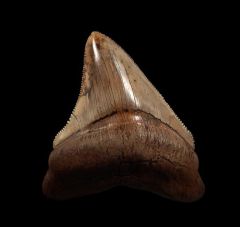
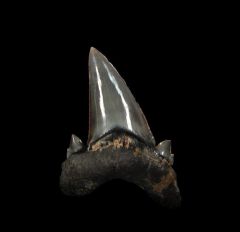
A TOP QUALITY, 3" Classic Lee Creek Chubutensis tooth (predecessor of Megalodon) - ANTERIOR tooth. This Chubutensis has an incredible light tan colored crown with a light brown bourlette. Highest quality enamel with a few hydration cracks. Excellent color! The bourlette is excellent. The serrations are razor sharp - near perfect with needle-like tip serration. Excellent serrations - razor sharp! The root is an excellent light tan color and absolutely complete. This Chubutensis was found in the Pungo River Formation, Lee Creek mine, NC (Miocene age = 14.5 MYA). An excellent example of a classic Lee Creek Megs considering the shape, color, and preservation. An exceptional collector's tooth from the old days at Lee Creek mine! NO repair or restoration. Authenticity guaranteed.
LC077 Size: 3"
Learn More - Carcharocles megalodon$4,250.00
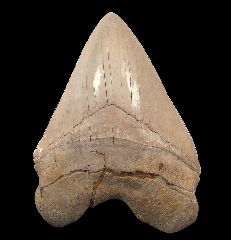
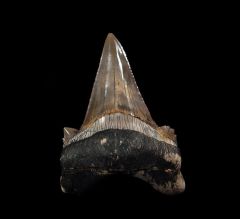
An Ultra Rare, LARGE Top Quality Sharktooth Hill Megalodon tooth found in the Round Mountain silt near Bakersfield, California. A location that produces very few Megalodon teeth and one of the toughest Meg teeth to locate. This "Bakersfield white" tooth was found in Ernst "whale quarry". Highest quality enamel with a great light tan color. The bourlette is a white color and mostly dentin layer. The serrations are extra large and 100% complete with a great tip. The root is nicely articulated and complete. Also note the grooves on the root ends - a Miocene trait. Note - This is a middle Miocene Meg has tip repair. You will not see large middle Miocene Sharktooth Hill Megs from Bakersfield, California very often. One of the rarest Megs! Authenticity guaranteed. An incredible rare "white" Meg collector's tooth! A custom display stand is included.
ST452 Size: 5-5/8" (4-1/8" wide)
Note - Adding two Sharktooth Hill Meg teeth in October 2025. Link to Sharktooth Hill Meg Teeth.
Learn More - Carcharocles megalodon$0.00
An Ultra Rare, Top Quality Sharktooth Hill Megalodon tooth from Pyramid Hill, Kern County, California. A location that produces very few Megalodon teeth and one of the toughest Megs to locate. A February Fossil of the Month. Highest quality enamel with a great brown and charcoal colors. The bourlette is a tan color and is nearly complete. The serrations are extra large & sharp and complete with a big tip serration. The root is nicely articulated and complete. Note the large grooves on the root ends - an early Miocene trait. This is a rare early Miocene (22 MYA) Meg from the Jewitt Sand Fm.- very unique! You never see these early Miocene Megs from Bakersfield, California. One of the rarest Megs! No repair or restoration. Authenticity guaranteed. A incredibly rare collector's piece that came out of a 25 year old old collection. My last Pyramid Hill / Jewitt Sand Fm. Meg tooth!
ST453 Size: 3-1/2"
Note - Adding two Sharktooth Hill area Meg teeth in February 2022. Link to Sharktooth Hill Meg Teeth.
Learn More - Carcharocles megalodon$0.00
An Ultra Rare, High Quality Sharktooth Hill Megalodon tooth found in the Round Mountain Silt near Bakersfield, California. A location that produces very few Megalodon teeth and one of the toughest Megs to locate. Good quality enamel with a great light tan color. The bourlette is a near white color and complete. The serrations are sharp and near complete with a rounded tip. The root is nicely articulated and complete. Also note the large groove on the root ends - a Miocene trait. This is a middle Miocene Meg - very unique! 100% natural. No repair or restoration. You will not see these middle Miocene Sharktooth Hill Megs from Bakersfield, California very often. One of the rarest Megs! Authenticity guaranteed. A great collector piece that came out of a 25 year old old collection!
ST454 Size: 2-3/8"
Note - Adding four Sharktooth Hill Meg teeth in November 2020. Link to Sharktooth Hill Meg Teeth.
Learn More - Otodus mugodzharicus (Partial serrated)$0.00
A very rare, early Otodus mugodzharicus upper jaw, lateral tooth from Aktulagay, western Kazakhstan. A transitional tooth leading to C. auriculatus (see detailed discussion below) which leads to Megalodon. The bourlette is complete. Tooth exhibits very fine serrations along the lower 1/3 of crown and micro serrations to the tip. These teeth exhibit very good color, gloss, and preservation. A rare, early Eocene Auriculatus transition tooth. A very challenging tooth to find when building a Megalodon evolutionary set! No repair. Authenticity guaranteed. Note - This western Kazakhstan site is one of the few places in the world where the Otodus to Auriculatus transition can be found in adjacent layers.
K554 SIZE: 1-1/4"
Note - Adding 18 Kazakh Auriuclatus or transition teeth in April 2020. --> Link to Kazakh Auriculatus teeth.
Learn More - Otodus mugodzharicus (Partial serrated)$0.00
A very rare, early Otodus mugodzharicus upper jaw, lateral tooth from Aktulagay, western Kazakhstan. A transitional tooth leading to C. auriculatus (see detailed discussion below) which leads to Megalodon. The bourlette is complete. Tooth exhibits wavy serrations along the lower 1/3 of crown and small wavy serrations to the tip. These teeth exhibit very good color, gloss, and preservation. A rare, early Eocene Auriculatus transition tooth. A very challenging tooth to find when building a Megalodon evolutionary set! No repair. Authenticity guaranteed. Note - This western Kazakhstan site is one of the few places in the world where the Otodus to Auriculatus transition can be found in adjacent layers.
K553 SIZE: 1-1/2"
Note - Adding 18 Kazakh Auriuclatus or transition teeth in April 2020. --> Link to Kazakh Auriculatus teeth.
Learn More - Otodus mugodzharicus (Partial serrated)$0.00
A very rare, early Otodus mugodzharicus upper jaw, anterior tooth from Aktulagay, western Kazakhstan. A transitional tooth leading to C. auriculatus (see detailed discussion below) which leads to Megalodon. The bourlette is complete. Tooth exhibits fine and wavy serrations along the lower 1/3 of crown and no serrations the tip. These teeth exhibit very good color, gloss, and preservation. A rare, early Eocene Auriculatus transition tooth. A very challenging tooth to find when building a Megalodon evolutionary set! No repair. Authenticity guaranteed. Note - This western Kazakhstan site is one of the few places in the world where the Otodus to Auriculatus transition can be found in adjacent layers.
K551 SIZE: 2-1/8"
Note - Adding 18 Kazakh Auriculatus or transition teeth in April 2020. --> Link to Kazakh Auriculatus teeth.
Learn More - Otodus obliquus (not serrated)$95.00
A very rare, early Otodus obliquus anterior tooth from Kzil-Orda Region, Kazakhstan. Otodus obliquus is the ancestor to O. auriculatus (see detailed discussion below) which leads to Megalodon. The bourlette is large and complete. Exhibits no serrations. The starting species to serrated Otodus teeth. These teeth exhibit very good color, gloss, and preservation. A rare, early Eocene (Ypresian) Auriculatus transition tooth. A very challenging tooth to find when building a Megalodon evolutionary set! No repair. Authenticity guaranteed. Note - This western Kazakhstan site is one of the few places in the world where the Otodus obliquus to Otodus auriculatus transition can be found in adjacent early Eocene formation units.
K561 SIZE: 1-1/16"
Note - Adding 24 Kazakh Auriculatus or transition teeth in July 2024. --> Link to Kazakh Auriculatus teeth.
Learn More - Otodus obliquus (not serrated)$135.00
A very rare, early Otodus obliquus anterior tooth from Kzil-Orda Region, Kazakhstan. Otodus obliquus is the ancestor to O. auriculatus (see detailed discussion below) which leads to Megalodon. The bourlette is large and complete. Exhibits no serrations. The starting species to serrated Otodus teeth. These teeth exhibit very good color, gloss, and preservation. A rare, early Eocene (Ypresian) Auriculatus transition tooth. A very challenging tooth to find when building a Megalodon evolutionary set! No repair. Authenticity guaranteed. Note - This western Kazakhstan site is one of the few places in the world where the Otodus obliquus to Otodus auriculatus transition can be found in adjacent early Eocene formation units.
K562 SIZE: 1-1/4"
Note - Adding 24 Kazakh Auriculatus or transition teeth in July 2024. --> Link to Kazakh Auriculatus teeth.
Learn More - Otodus obliquus (not serrated)$200.00
A very rare, early Otodus obliquus anterior tooth from Kzil-Orda Region, Kazakhstan. Otodus obliquus is the ancestor to O. auriculatus (see detailed discussion below) which leads to Megalodon. The bourlette is large and complete. Exhibits no serrations. The starting species to serrated Otodus teeth. These teeth exhibit very good color, gloss, and preservation. A rare, early Eocene (Ypresian) Auriculatus transition tooth. A very challenging tooth to find when building a Megalodon evolutionary set! No repair. Authenticity guaranteed. Note - This western Kazakhstan site is one of the few places in the world where the Otodus obliquus to Otodus auriculatus transition can be found in adjacent early Eocene formation units.
K561 SIZE: 1-1/4"
Note - Adding 24 Kazakh Auriculatus or transition teeth in July 2024. --> Link to Kazakh Auriculatus teeth.
Learn More